

Selfdrive in Africa with Kids
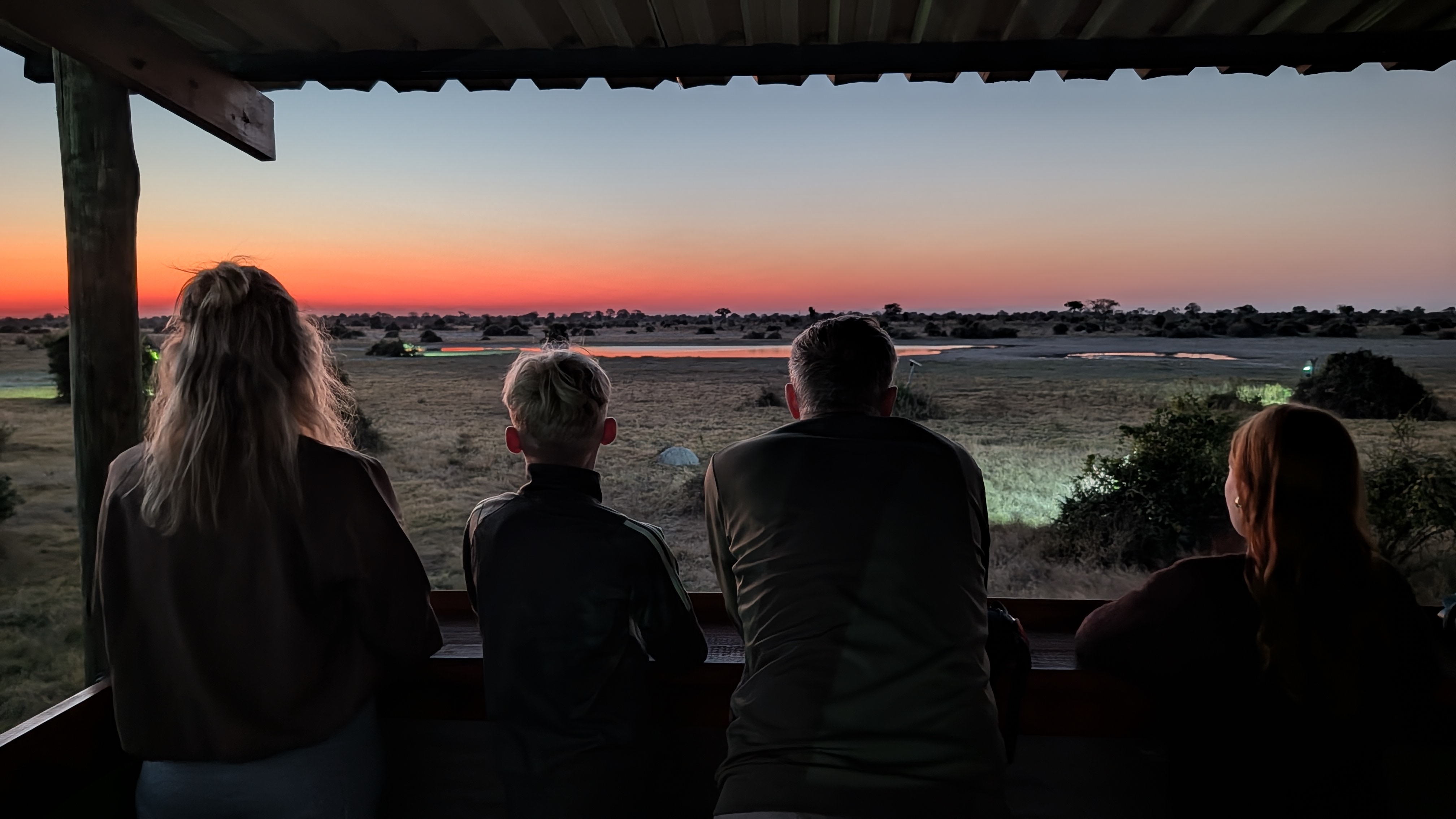
In our experience, it’s one of the most rewarding places you can travel as a family. Children make wonderful safari companions: a warthog trotting past with its tail up is front-page news, and an elephant beside the car silences the back seat for the first time all day. You get to see Africa through their eyes, where everything feels bigger and a good deal more exciting.
For this guide, we’re focusing on ages six to sixteen. Younger children may face age restrictions on some safari activities, while older teenagers simply take a little more to impress. Gorilla trekking in Uganda or the Sani Pass into Lesotho usually does the trick.
Our highly scientific method for judging a family trip comes down to two tests. Are the children having fun? And are the parents still enjoying themselves? Lost sleep, frayed nerves and tears in the front seat all count. Pass both, and the trip has done its job.
Is Africa safe for children?
Yes. Many rest camps are fenced, and camping is no riskier for children than it is for adults: a closed tent is a closed tent, and the wildlife outside rarely keeps score of the ages of those inside. Animals tend to see a tent as an unfamiliar object best left alone, regardless of its contents. Beyond the basic campsite rules that apply to all, one extra precaution helps: the little ones shouldn't wander around camp alone, least of all in unfenced camps or after dark.
And, what if someone takes a tumble? Help is rarely as far away as you might think. Even many small towns and villages have a local clinic that can patch up a grazed knee or check a sore throat, while private clinics and hospitals in the larger towns offer excellent care whenever something more is needed. Aside from good travel insurance, a well-stocked first-aid kit and malaria self-test kit – if your route calls for it – will have you ready for whatever the road brings.
How you sleep is up to you. Some families camp the whole way through, often with two rooftop tents on one car to keep everyone within whispering distance, while others mix in lodges or stay in them throughout. For those who prefer to camp without big predators altogether, Madagascar offers a different kind of adventure: its largest land predator, the fossa, is not much bigger than a large house cat.
Skip the group safari: explore at your family's own pace
Group safaris tend to keep a timetable that children rarely subscribe to. The best moments of a family trip are rarely the scheduled ones: lingering with the elephants a little longer, the mandatory round of I-spy, and that sudden turn for home when
the African sun makes the pool sound like the wiser choice. In your own car, there’s room for all of them, and every day follows your family’s own rhythm.
Self-driving is usually kinder on the budget, too. Namibia and South Africa are the most affordable places in Africa to go on safari, and a rooftop tent keeps costs down even further. One common consensus among our team, across thousands of family trips, is that camping is half the adventure: the climb into the rooftop tent, the campfire at night and the marshmallows toasted over it often rank even above the animals in the children's eyes.
Less driving, more adventure: plan your trip around the kids
Travelling with children calls for a slower pace than you might keep on your own. Long driving days are rarely popular with junior travellers, so break them up and leave room for afternoons by the pool. Packing a few games helps, while a football speaks a universal language that every child at the campsite understands. A kickaround before dinner offers guaranteed entertainment, parents included.
Here's something nobody tells you: it's easy to overestimate how many park days you need. On day one, the children want to stop and photograph every impala, gecko and beetle. The first zebra is a sensation, but by day three, a herd of fifty barely earns a second glance. Plan a change of scene before then, and never underestimate a good swimming pool, which may well outscore the elephants.
Medical care on the road
And what if something does happen along the way? In the more remote corners of Africa, medical help may not always be just around the corner. Still, our experience is that the facilities are often surprisingly good, even well off the beaten track in countries such as Botswana and Mozambique. Smaller towns often have clinics, while larger centres offer more comprehensive medical care.
Bring a well-stocked first-aid kit, perhaps a little more complete than the one you’d pack for a road trip through France, and make sure you have good travel insurance. But don’t let worries about poor or non-existent medical care put you off. Africa has moved on a long way from the picture many of us grew up seeing on television.
South Africa and Namibia: the perfect first safari with children
Namibia makes a natural first family trip. At Etosha, the floodlit waterholes at the rest camps make the best bedtime story, with elephants, lions and rhinos coming to drink after dark. Routes through the north can also detour past the Hoba meteorite near Grootfontein, the largest known meteorite on earth and a fascinating sight for the whole family. What you choose to do afterwards, however, may affect your “successful trip” test score. The town's old fort museum, with its tales of a short-lived republic, early maps and pioneer life, could easily absorb parents for hours. Test two, passed. Test one: well, not so much.
Namibia also offers the shipwrecks of the Skeleton Coast and the sandboarding dunes of Swakopmund. Further down the coast, Walvis Bay is a playground of its own, with dolphin cruises in the morning and 4x4 excursions to Sandwich Harbour, where the dunes drop straight into the Atlantic below. Many of these excursions include a braai (a South African-style barbecue) on the beach. Dolphins in the morning, dunes in the afternoon and lunch with your toes in the sand: few family days out come quite so complete.
South Africa is another old fan favourite, since it understands children remarkably well. From Johannesburg, the Kruger is an easy half-day’s drive away, so you could land in the morning and be on safari by evening. And a little bonus tip for parents: children have no idea where the park actually begins. When you inevitably get the tenth 'are we there yet?', we invite you to declare the animal-spotting open, even if you've barely left Jo'burg. Expect a few cows to be logged as buffalo, but it's a sure way to keep them entertained the whole way through.
Once inside, the Kruger’s rest camps make the hours between game drives easy: afternoons by the pool, wildlife films often shown after dinner, and curio shops always stocked with animal and bird spotting books that will keep the back seat happily occupied for days.
Around Cape Town, there are penguins at Boulders, vineyards with play areas for the children, and the malaria-free Garden Route running east along the coast.
Tanzania: the big safari, then the beach
From the 4x4 descent into the collapsed volcano of the Ngorongoro Crater in search of the Big Five, to the Serengeti, which looks like every wildlife documentary you've ever watched, only bigger, Tanzania is the Africa children have already seen on TV.
And when the little ones are ready to trade their binoculars for a bucket and spade, take your time following the Swahili coast towards Dar es Salaam, with days for snorkelling, fishing and family boat trips. For an island finish, Zanzibar is a short flight away.
Botswana, Victoria Falls and Kenya: adventures your kids will love
For children, some of Botswana’s best adventures happen on the water. On the Chobe River, a boat safari turns up hippos surfacing for air and elephants gathering at the banks to drink. In the Okavango Delta, a mokoro, a traditional canoe, takes them quietly through the reeds, watching for whatever may appear next. Think Disneyland's 'it's a small world', only the excitement is bigger.
One of our team members recently came back from the Makgadikgadi salt pans, a drive like no other: a sea of blinding white so vast and flat it could easily pass for the moon. Naturally, his fifteen-year-old begged, pleaded and bargained for a turn behind the wheel. With no cameras or cars in sight, he could hardly be blamed. Our responsible team member would like to report that he, of course, maintained an unflinching no. Not even for a minute. Not even with the nearest police officer a good hundred kilometres away. Absolutely, definitely not. We trust you’ll do the same.
Victoria Falls is another hit. Raincoats on, and a walk through the spray of the thundering falls; for those wanting a little more, a helicopter flight over the gorge. The best part? Many of our Botswana routes pass through Kasane, from where we can arrange a day trip to the falls for you.
In Kenya, children can feed giraffes eye to eye at the Giraffe Centre in Nairobi. At Hell's Gate National Park, visit the cliffs which inspired The Lion King, yet without the lions, you can cycle among zebras and giraffes. Near Nanyuki, they can stand with a foot in each hemisphere on the equator before going in search of the rhinos at Ol Pejeta.
Which African adventures are better suited to older kids?
Madagascar's RN7 works well for families, with lemurs, chameleons and a beach at the end, though the detour to the Avenue of the Baobabs calls for very long days in the car. In Malawi, the drives are long and not every day is packed with entertainment, so it suits older children better. Uganda's Sipi Falls is great for active families, with abseiling and hikes, but nobody under fifteen can trek to the gorillas, so save that for the parents and older teenagers.
Before you go
If you'd rather avoid malaria, many of our routes stay malaria-free and others can be adapted. Botswana and Namibia ask for a birth certificate for every child under 18, and a parent travelling alone may need consent from the other in certain countries, so check documentation requirements before you go. Closed shoes, binoculars for all and a cheap camera for the kids can go a long way, too.
Why not now?
Some of the best journeys begin with a little doubt and a great deal of excitement. Bring both, and we’ll gladly help with the rest.
For a child, an evening at the waterhole can last forever and still end too soon. A morning in a mokoro takes a week, and the drive from one camp to the next feels like a journey into a new world. Travel with them, and for a little while you get to borrow their sense of time.
Somewhere down the road, comes a moment worth the wait. The iPad has been flat since Tuesday, the children are knee-deep in a crab hunt, and somebody has handed you a piña colada. Nobody longs to be anywhere else. Don’t move! Both tests have passed, and every kilometre was well worth it.
Also interesting
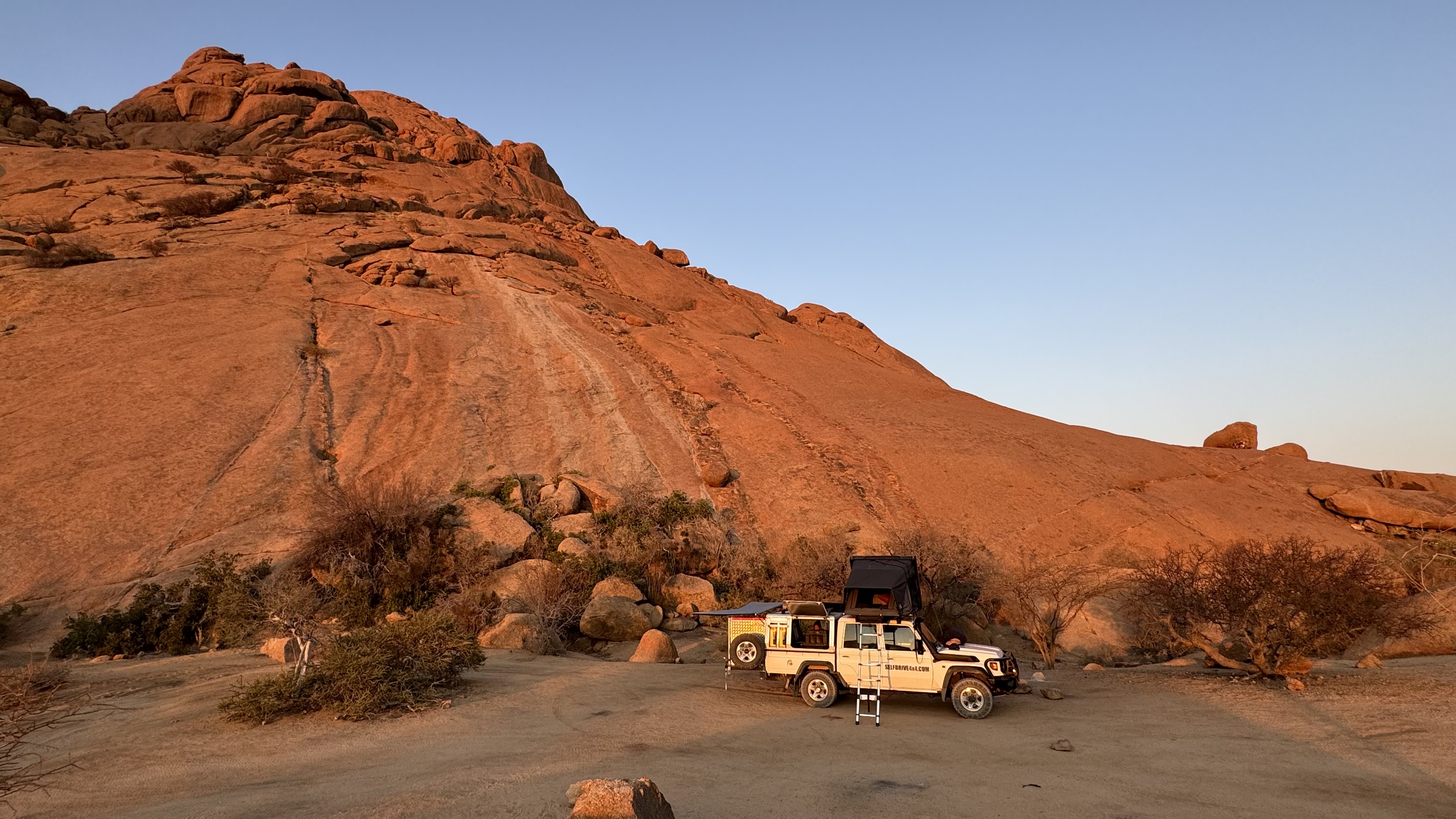
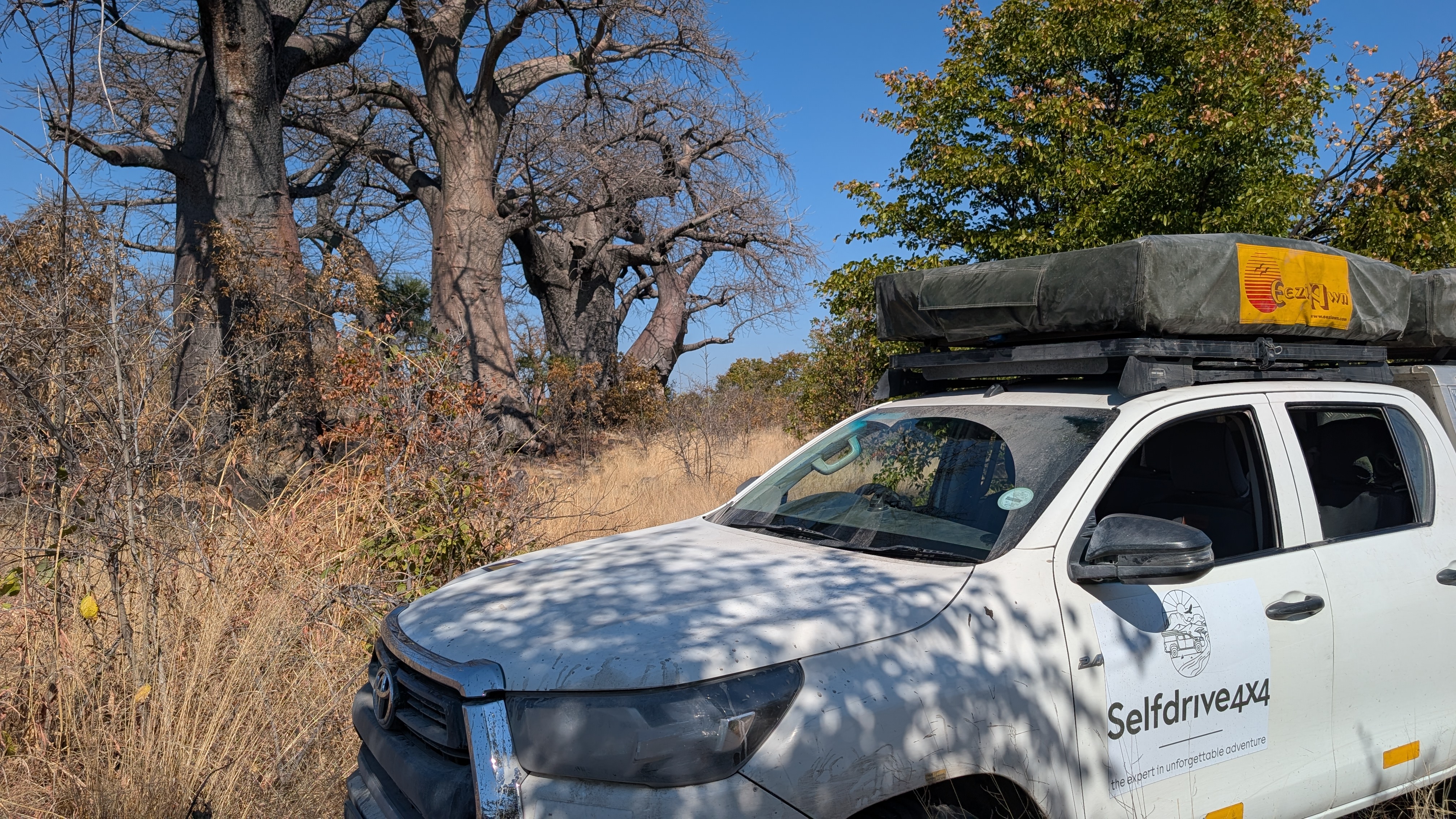
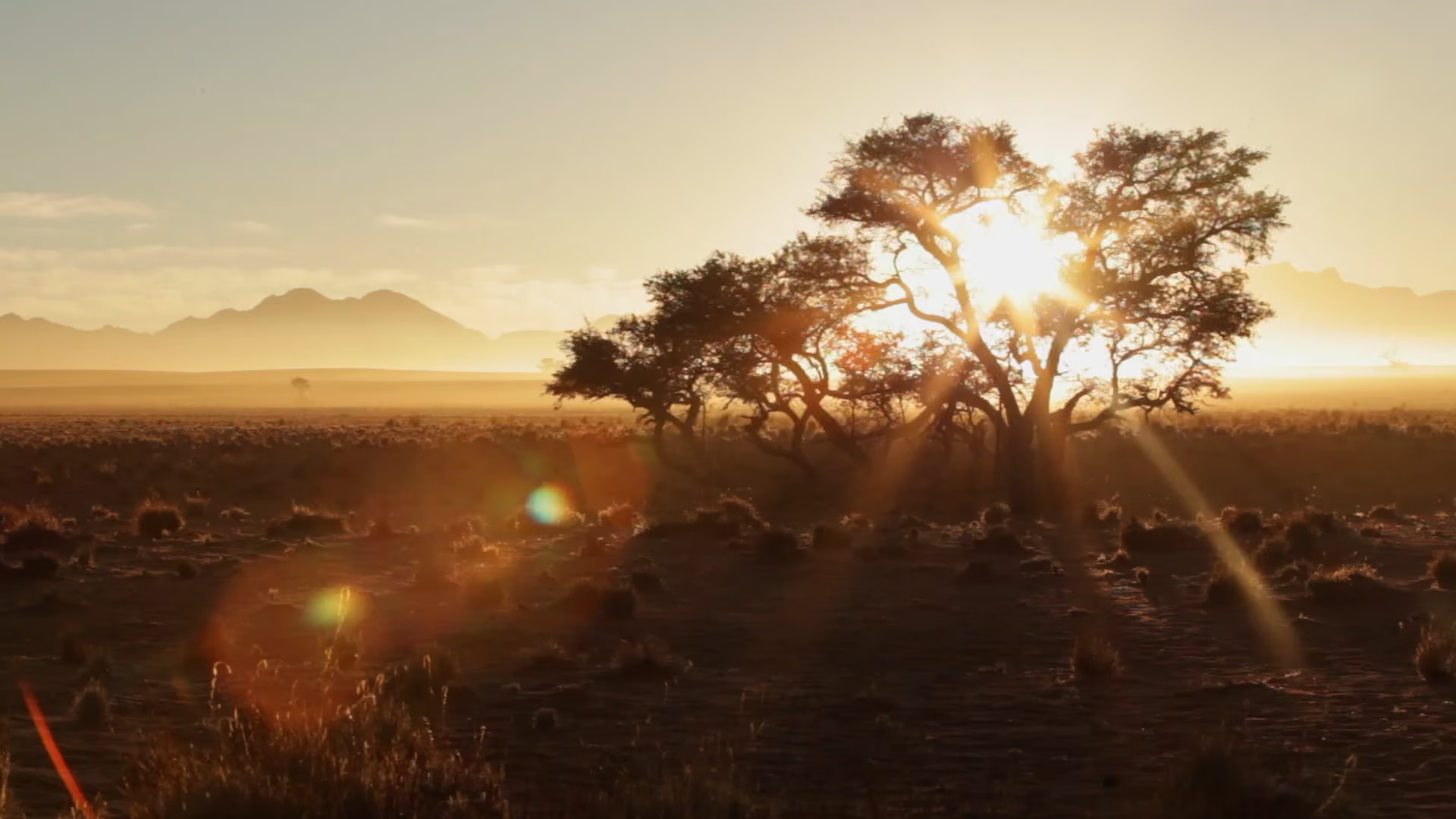
Step in and discover the adventure.
Discover what it feels like to drive through endless landscapes, wild nature, and deserted desert routes yourself. With our fully equipped 4x4s, you experience Africa in the most adventurous way: free, comfortable, and entirely at your own pace.