

Selfdrive Africa, Month by Month
Africa keeps its own calendar. The same rains that turn one plain to mud fill the rivers of another, and somewhere downstream, a herd is watered. So when someone asks us when to go, we answer with a question of our own: what are you most hoping to find along the way?
Treat what follows as seasonal inspiration rather than a forecast: rains can arrive early or late, and herds keep their own counsel.
January and February: Ndutu, Tanzania, where the plains become a nursery
Early in the year, the great herds push south to the short-grass plains around Ndutu, on the southern edge of the Serengeti. Rich from the rains seen in December, the region becomes a nursery for wildebeest calves, with thousands born each day. A calf can stand within minutes and run within the hour. The predators soon learn the timetable of their prey, giving rise to one of the most dramatic predator seasons on the continent.
Your own 4x4 means your own timetable, and we adapt several of our northern Tanzania itineraries each season to follow the calving. While we welcome travellers to Tanzania in each season, the months either side of the long rains of April and May make for kinder roads. If your heart is set on the green season, we’ll shape your journey around the routes we’ve learned tend to hold.
March: Namibia, when the desert turns green
March in Namibia is nothing short of a photographer’s dream. The summer rains have just passed, leaving the desert looking briefly unfamiliar. For a few short weeks, fresh grass spreads across the plains, and the red dunes stand out sharply against the green and the big, cloud-filled skies.
It’s also shoulder season, so prices are friendlier and crowds are thin.
April: Morocco, between snow and sand
In April, snow still crowns the high Atlas, the summer heat has yet to reach the Sahara, and in between, the valleys run green. Cross the mountains and the road runs south past old kasbahs and roadsides scattered with wildflowers, until the tarmac gives way to the dunes of Erg Chegaga, Morocco's largest sea of sand.
Nights in the desert belong to the stars. In April they arrive without the sharp cold of winter, and the nearest town is a full day behind you.
May: Madagascar, after the storms
By May, the cyclone season has blown itself out over the Indian Ocean, and Madagascar emerges glistening. This is the month for the RN7, the great road south. It climbs through the highland towns of Antsirabe and Ambositra, past the rainforest of Ranomafana and the ring-tailed lemurs of Anja, then opens into the sandstone canyons of Isalo before reaching the warm coast near Toliara.
Out west, the Avenue of the Baobabs near Morondava is at its finest at dusk, when the old trees rise in silhouette and seem, for a moment, to be talking among themselves, as they have for centuries. The roads ask for time, so let the journey be part of the point. We’ve learned the art of pacing a route like the RN7, with a restful day tucked in before the longer stretches.
June: Botswana, as the Okavango swells
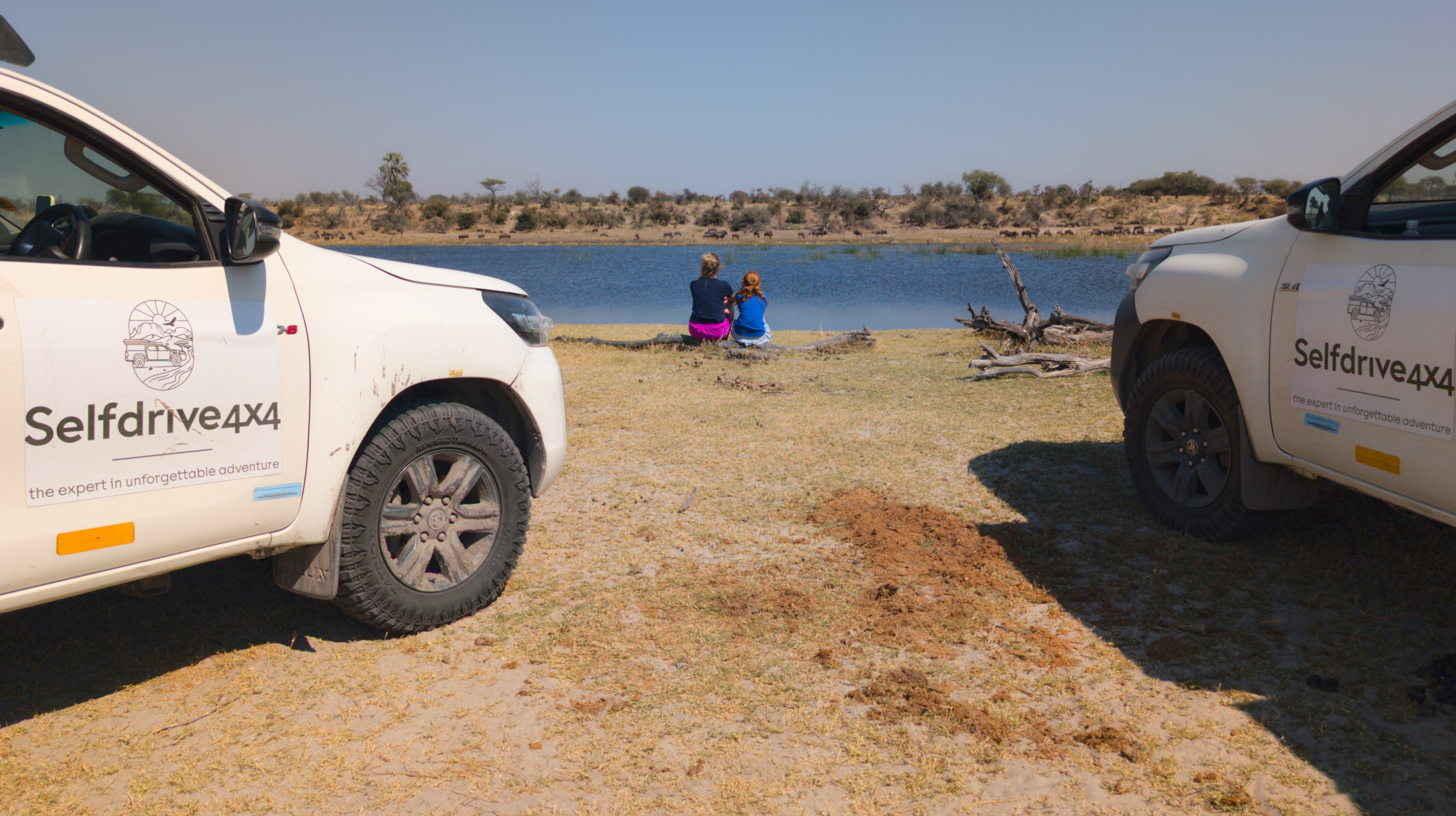
Months ago, rain fell on the highlands of Angola, and it has been travelling south ever since. By June it has arrived, turning the sands of the Kalahari into a maze of lagoons and islands at the height of the dry season. Elephants wade between the islands and antelope splash across the shallows. A mokoro, gliding through the reeds in a traditional dugout canoe, offers the truest perspective of all, with nothing but the dip of the pole and the hush of the water around you.
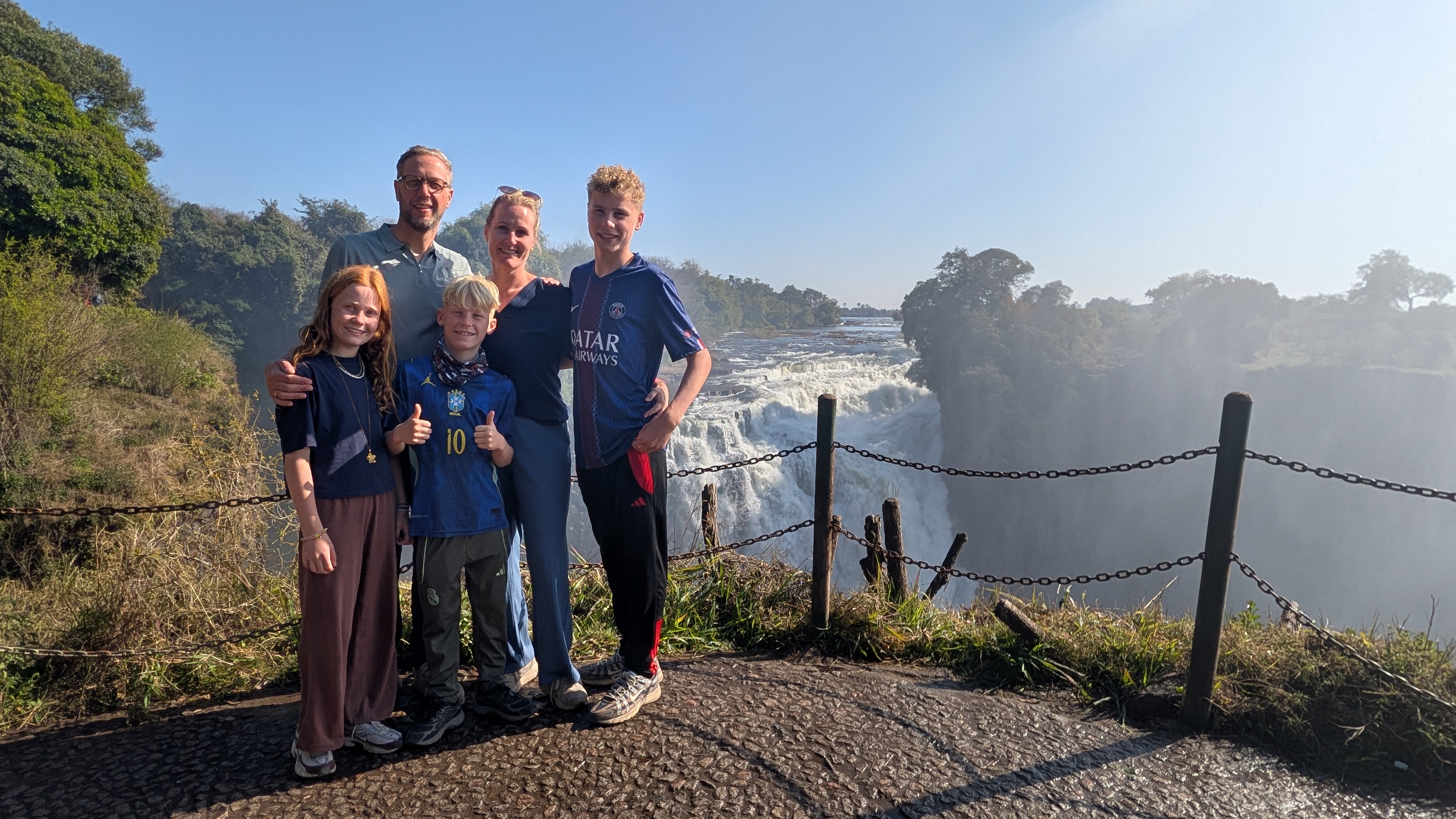
If your road leads further east, Victoria Falls in Zimbabwe shows the same season in another form. The Zambezi still runs high, and the falls send up the great column of spray that gave them their older name, Mosi-oa-Tunya, the smoke that thunders.
July: Uganda and the forests of the great apes
July brings one of Uganda's drier spells, and the trails into Bwindi Impenetrable Forest lie firmer underfoot. Somewhere in that tangle of green, a mountain gorilla family is going about its day. An hour in their company is one that few experience and none forget. Only eight permits are issued for each family each day, so they are always the first part of the journey to fall into place.
The road there passes the chimpanzees of Kibale and the lions of Ishasha, who lounge in fig trees as though nobody ever told them cats belong on the ground. Churchill called Uganda the Pearl of Africa, and a July drive through its hills makes the case for him.
August: Kenya and the Great Migration
The calves born at Ndutu are half-grown now, and by August the herds have pushed north into Kenya's Masai Mara. What follows is Africa's greatest spectacle: the crossing of the Mara River. Thousands gather on the bank, all too wary of the water, until, for a reason known to none, one takes the plunge and the rest are soon to follow. It can take hours to begin yet minutes to finish.
Before dawn the hot air balloons are already rising over the plains, and the Land Cruisers gather along the riverbanks. Nature alone decides who will be there when the herd finally goes. So come August, we draw our Tanzania travellers north and our Kenya travellers south, gathering them on either bank of the Mara River in the hope of a crossing.
September: Namibia, where the waterholes hold court
By September the land has dried, and the animals of Etosha have drawn in around the waterholes. Elephants arrive in a dusty procession and zebras come down to the water in their dozens. After dark, the floodlit waterholes at the rest camps are pure theatre. Black rhinos are regulars here, an animal whose numbers fell to around 2,400 across the whole of Africa in the 1990s, and Namibia remains one of their great strongholds.
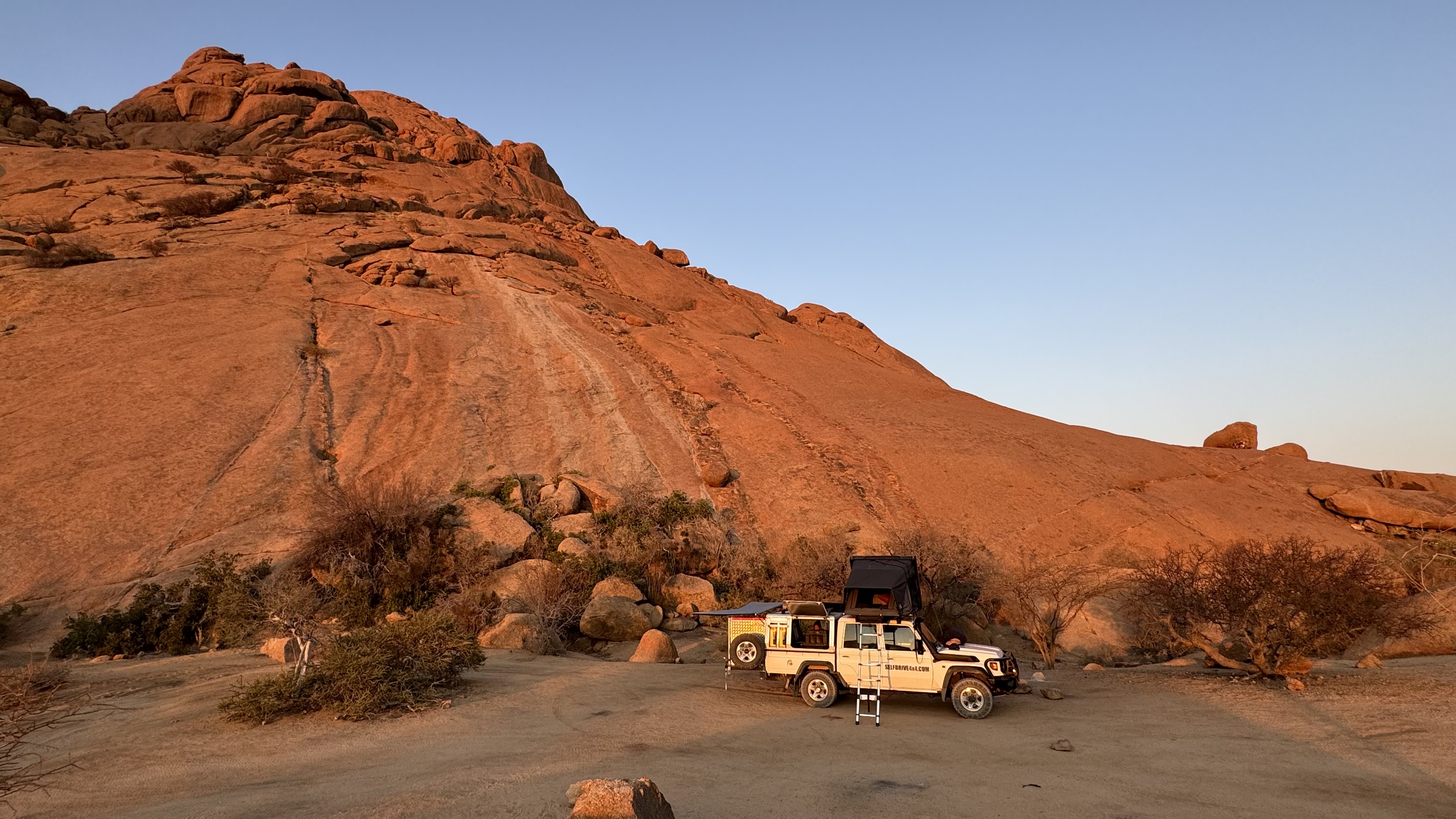
Good roads also make Etosha one of Africa's friendliest parks for first-time self-drivers, and many of our Namibia routes centre on it, paired with the red dunes of Sossusvlei and the wild, rocky beauty of Damaraland.
October: Hermanus, South Africa, and the whales close to shore
From about June to November, southern right whales come into the sheltered bays of South Africa's southern coast to calve. In September and October, the charming town of Hermanus has the best seat in the house. The cliff path above Walker Bay is widely counted among the best places on earth to watch whales from land, and on a good day they surface just beyond the rocks. Hermanus also has the world's only whale crier. Through the season he walks the clifftops with a horn made of dried kelp, and whenever whales are spotted, he blows it to let the whole town know.
A short detour down the Cape Peninsula brings you to Boulders Beach, where a colony of African penguins nests among the granite boulders.
This season sees our Cape Town to Victoria Falls route really hit its stride. Our keener self-drivers were the first to notice how neatly September and October line up: whales in the Cape, rhinos at Etosha’s waterholes, and the Chobe at its prime. As the inland pans and waterholes dry up, elephants converge on the river in their thousands. The thundering of Victoria Falls brings this journey across four countries to a close, in a month that saves something special for every one of them.
November: Lake Malawi, a landlocked sea
In November the heat builds, and the whole of Malawi seems to lean towards its lake. Lake Malawi runs some 580 kilometres down the Great Rift Valley, a horizon so wide that only its fresh water sets it apart from the sea. It holds more species of fish than any other lake on earth, and beneath the surface you would be forgiven for mistaking it for an aquarium.
Days take on a lakeside rhythm: a swim before breakfast, a long lunch in the shade, and a sunset that turns the water copper. Malawi is called the Warm Heart of Africa, and a single day on its shores would tell you why.
December: The Garden Route, South Africa
While Europe pulls on its winter coat, South Africa is in high summer. Arrive by way of Route 62 and the historic towns of the Little Karoo, then wind along the coast of the Garden Route, past the lagoons of Wilderness and the forests of Tsitsikamma.
Back in the Cape, the Winelands make for a wonderful day of tastings, Cape Town's beaches glow, and the sun stays up long past dinner. Excellent roads and short distances make this one of the most welcoming introductions to self-driving in Africa. Book early, as school holidays fill the coast from mid-December.
A year on the road
Glance across the year and you start to notice how each month hands something on to the next. The calves born at Ndutu in February have grown strong enough to brave the Mara by August. The rain that falls on the highlands of Angola gathers into the Okavango River, winds along Namibia's northern border and spreads at last across the delta, turning the floodplains green in the depths of winter. The whales leave Hermanus each November, returning with the Cape winter.
In Africa, nothing begins when you arrive and nothing ends when you leave. You step into a story already in motion, and leave it, still unfolding, to the travellers who will drive these roads after you. Our itineraries are built around these rhythms, and our team can help you find the month that suits the Africa you’re out to find.
Frequently asked questions
What is the best month for a self-drive safari in Africa? It depends on the region. In southern Africa, the dry months from June to October are hard to beat. In East Africa, the calving season around February and the river crossings from July to October are the big draws.
Can I see the Great Migration on a self-drive trip? Yes. Both the calving at Ndutu and the crossings in the Masai Mara can be part of a self-drive itinerary. Crossings are never guaranteed, so allow several days in the area.
How far ahead should I book? For peak months, six to twelve months ahead is sensible. Secure gorilla permits and South African school-holiday accommodation as early as possible.
Is it worth travelling in the rainy season? It can be. The green season often brings lush landscapes, newborn animals, fewer visitors and lower prices. The trade-off is that some roads become muddy or impassable, so check your route carefully and allow extra time.
When can I see whales in Hermanus? Southern right whales visit the coast around Hermanus from about June to November, with the peak usually in September and October. You can often watch them from the cliff path without a boat.
Does the weather follow the same pattern every year? Not exactly. Rains can arrive early or late, and wildlife movements vary from year to year. Use the months in this guide as the likeliest windows, and confirm current conditions before you travel.
Also interesting
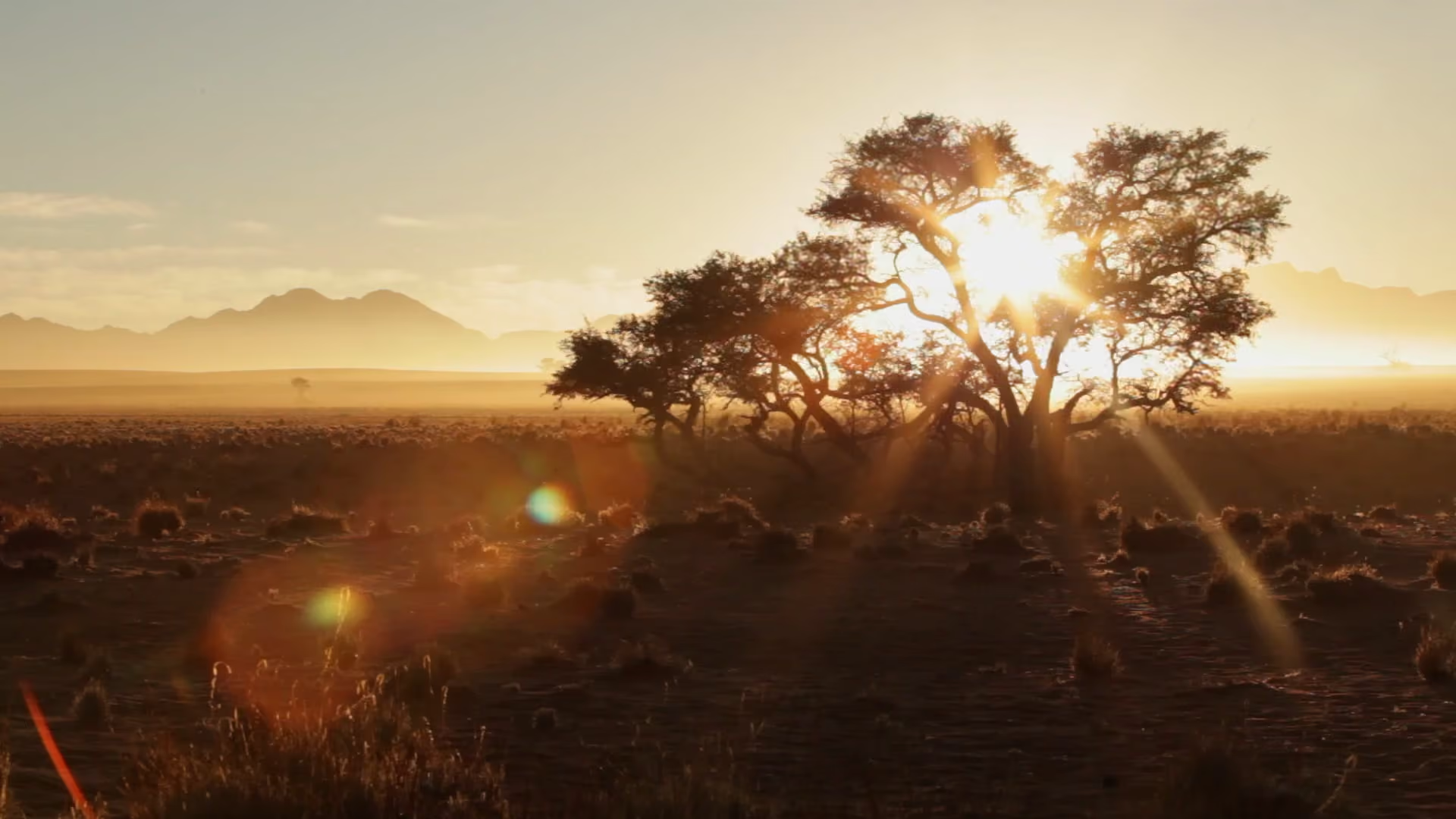
Step in and discover the adventure.
Discover what it feels like to drive through endless landscapes, wild nature, and deserted desert routes yourself. With our fully equipped 4x4s, you experience Africa in the most adventurous way: free, comfortable, and entirely at your own pace.