
Western Cape and Namaqualand Hiking & 4x4
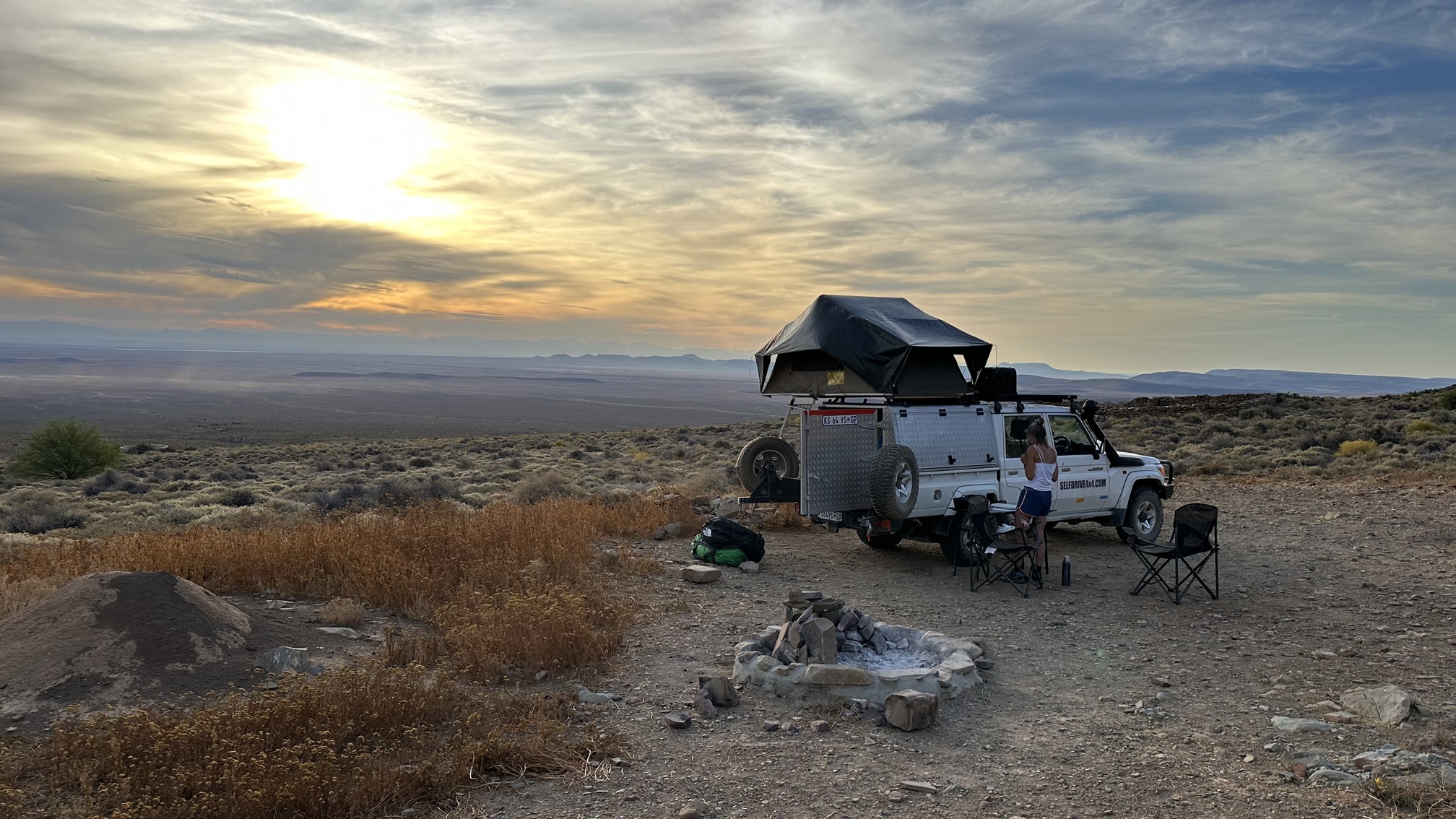
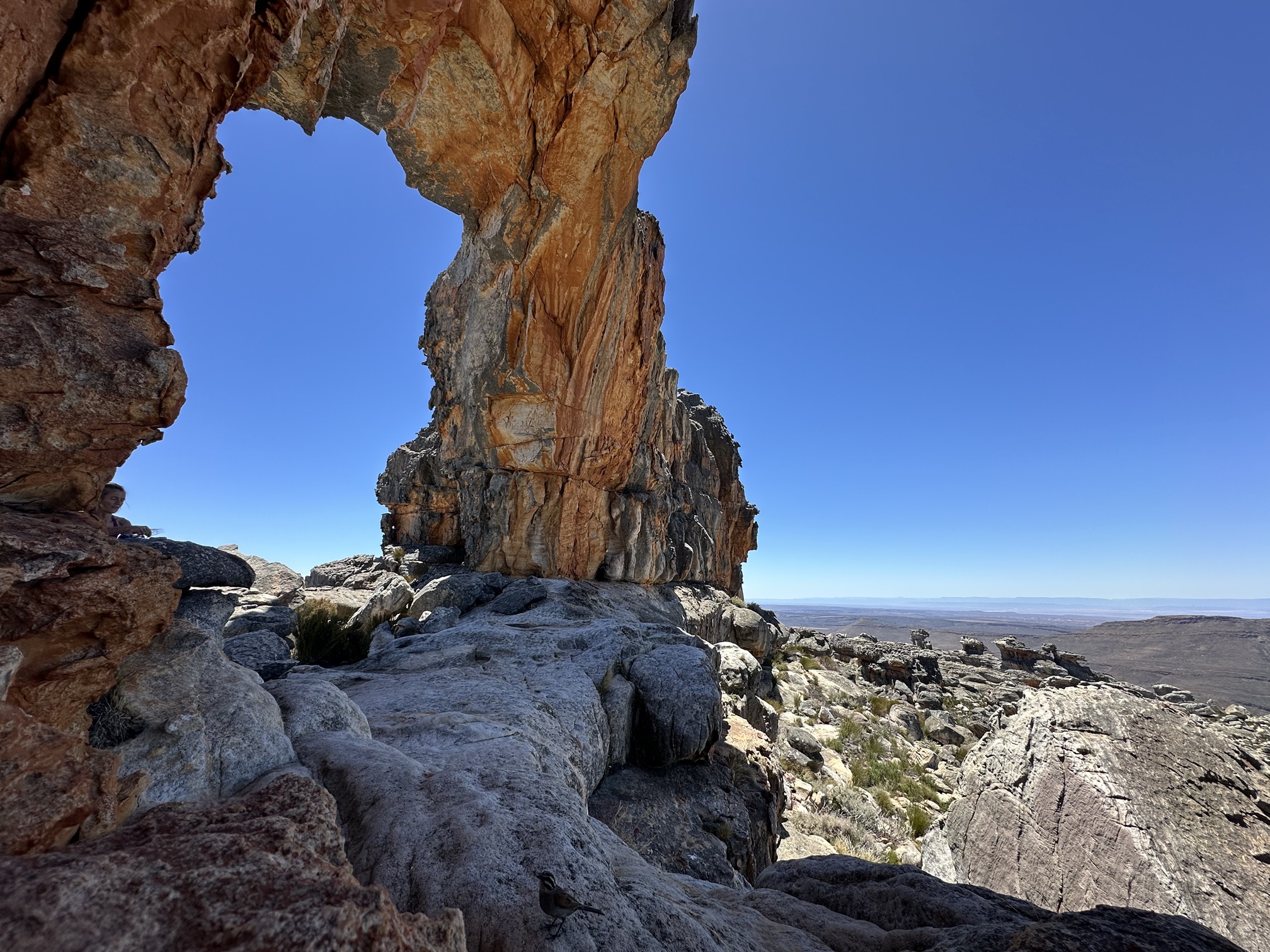
Hiking boots on, 4x4 parked. On this 14-day self-drive journey, you explore much of the Western Cape and Namaqualand on foot. You hike through gorges and past rock arches in the Cederberg, camp in complete solitude in the quiet of the Tankwa Karoo and walk to deserted beaches along the Atlantic coast. And in between? That's when you put your 4x4 to work, including on the sandy Caracal Trail. A journey for those who love being outdoors and exploring at their own pace.
Not quite the trip you’re looking for? This trip can be fully tailored to your preferences.
Everything mapped out. The route remains yours.
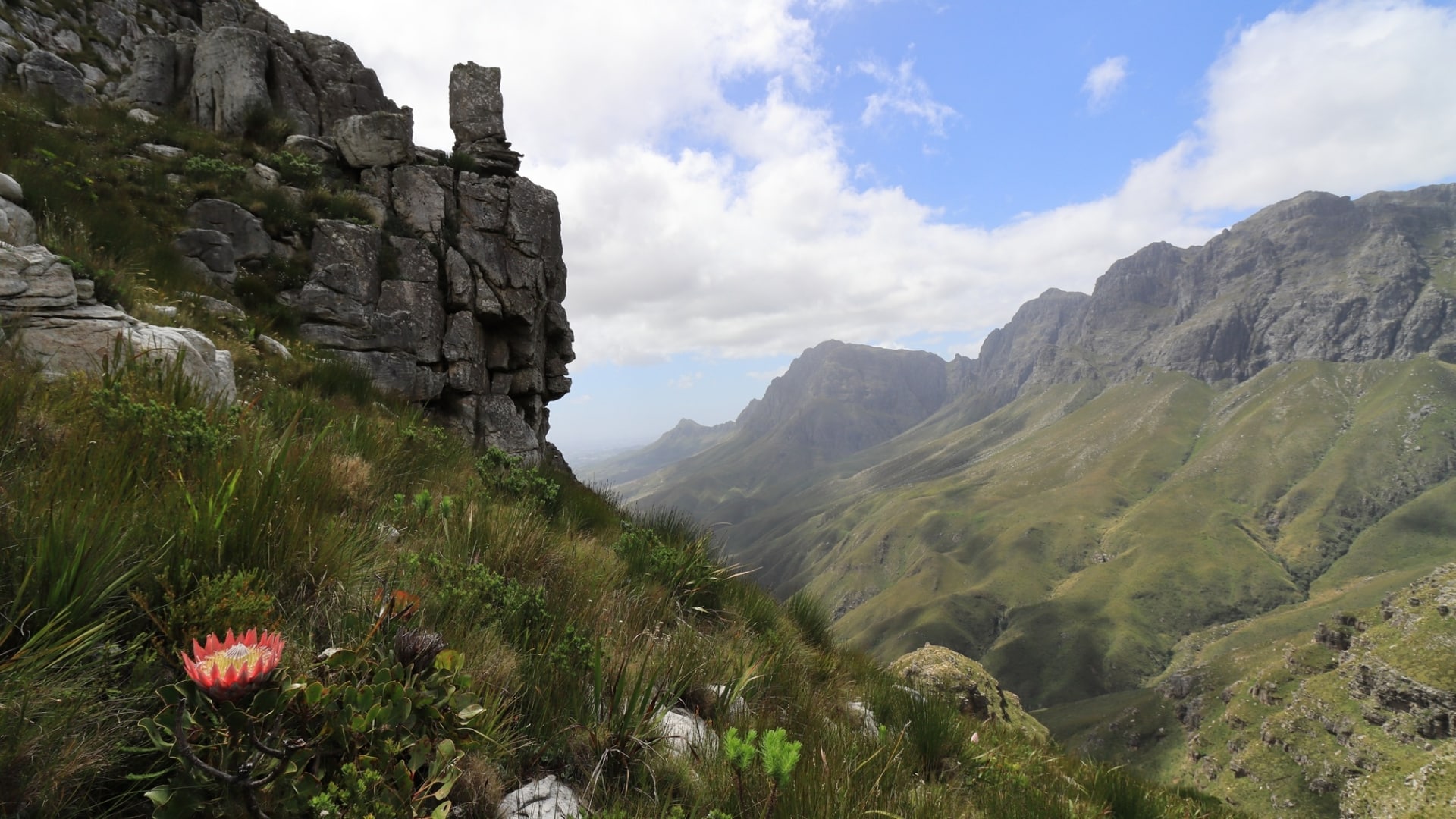
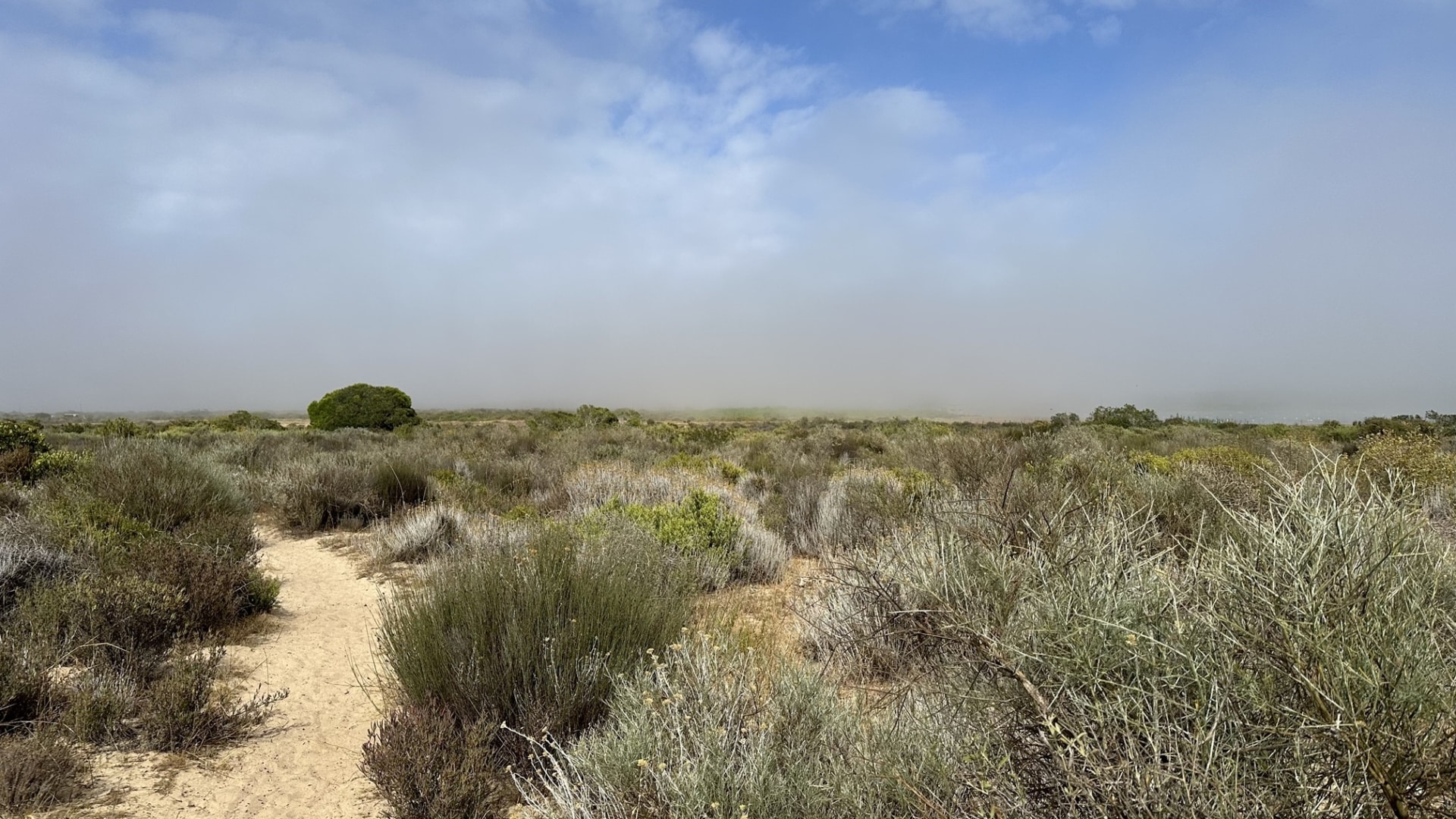
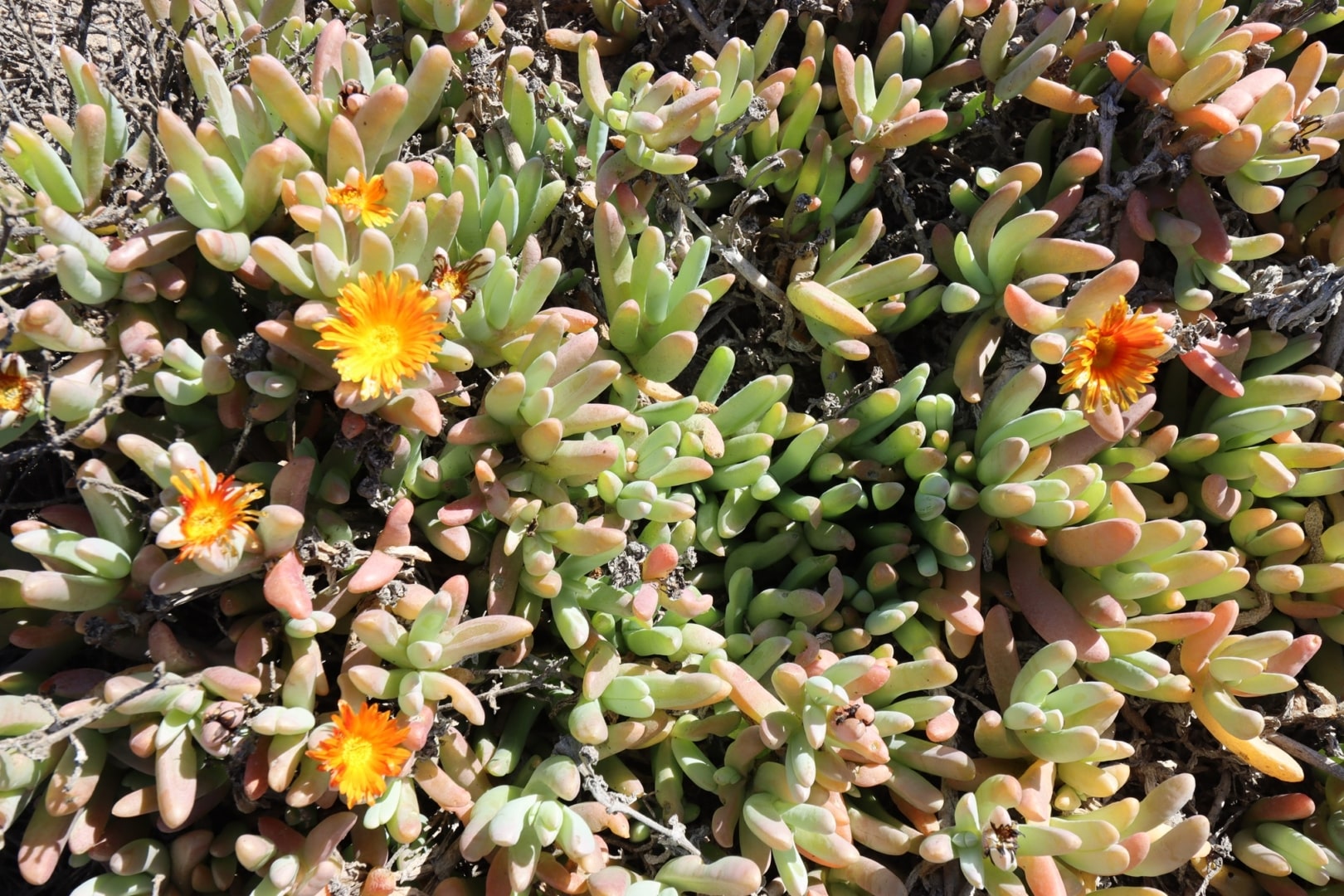
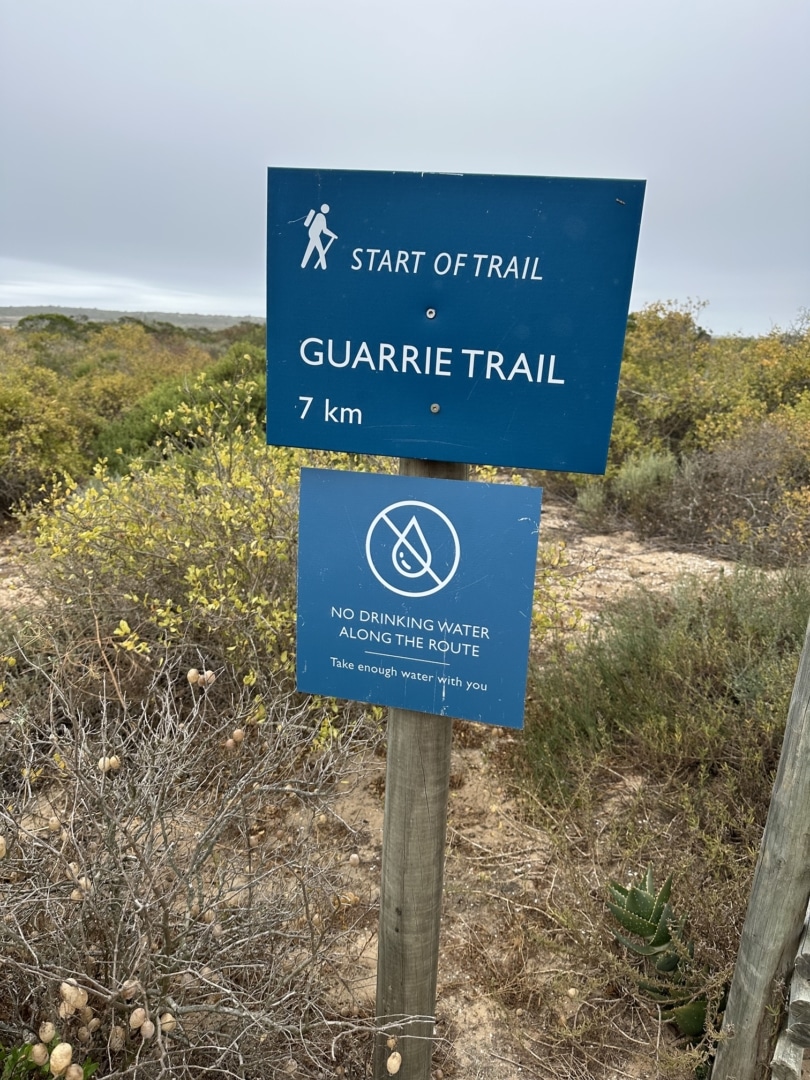
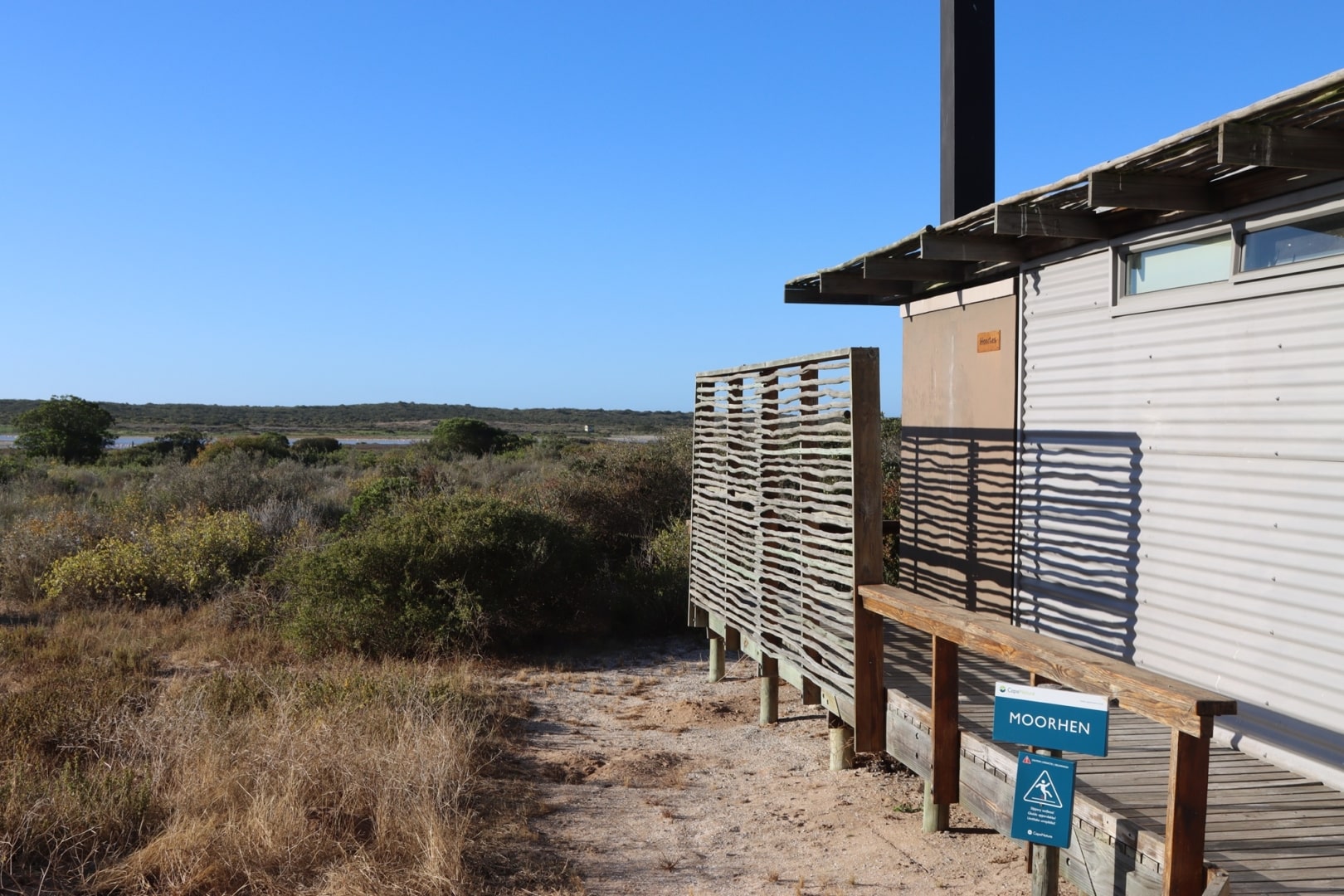
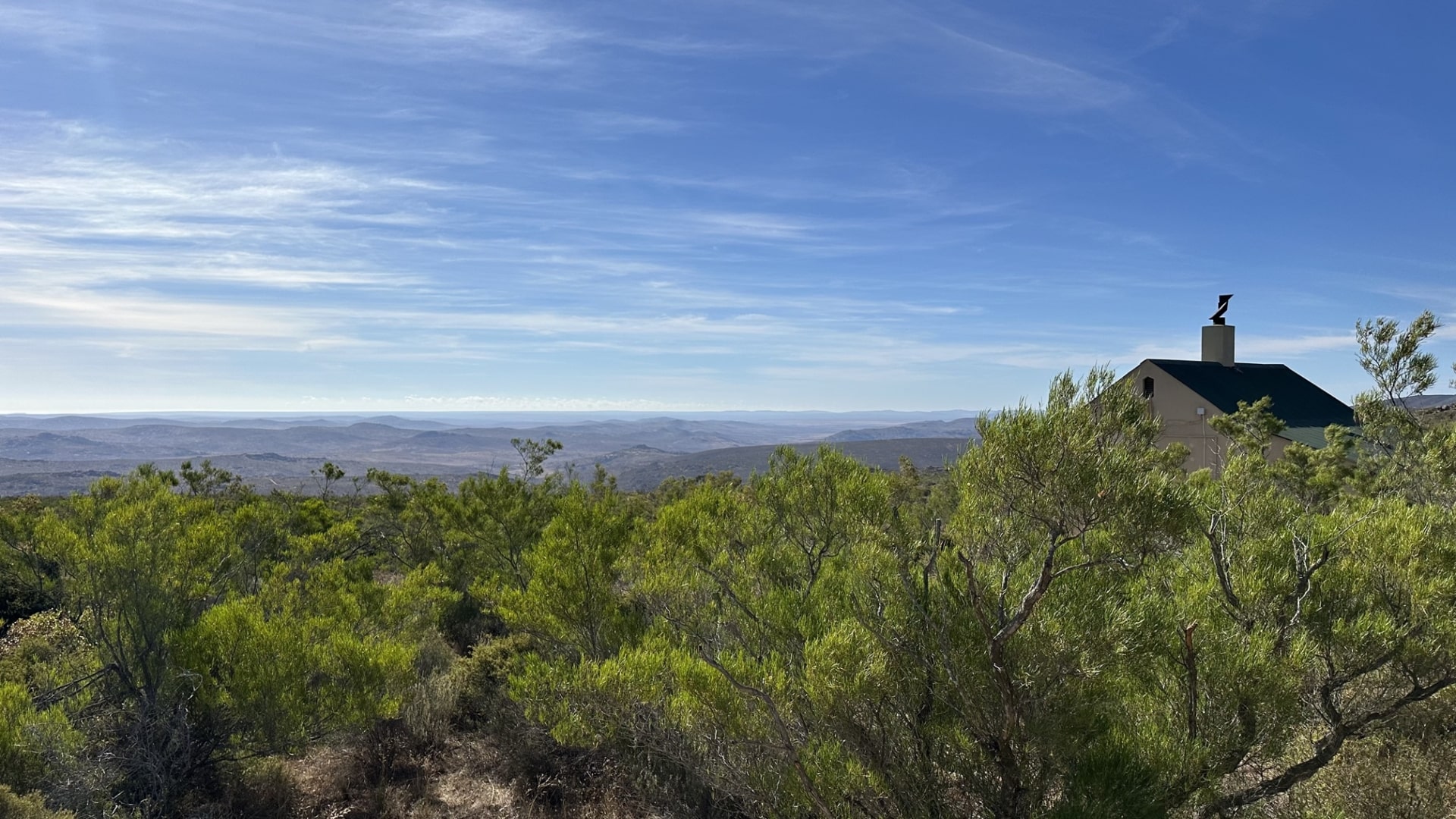
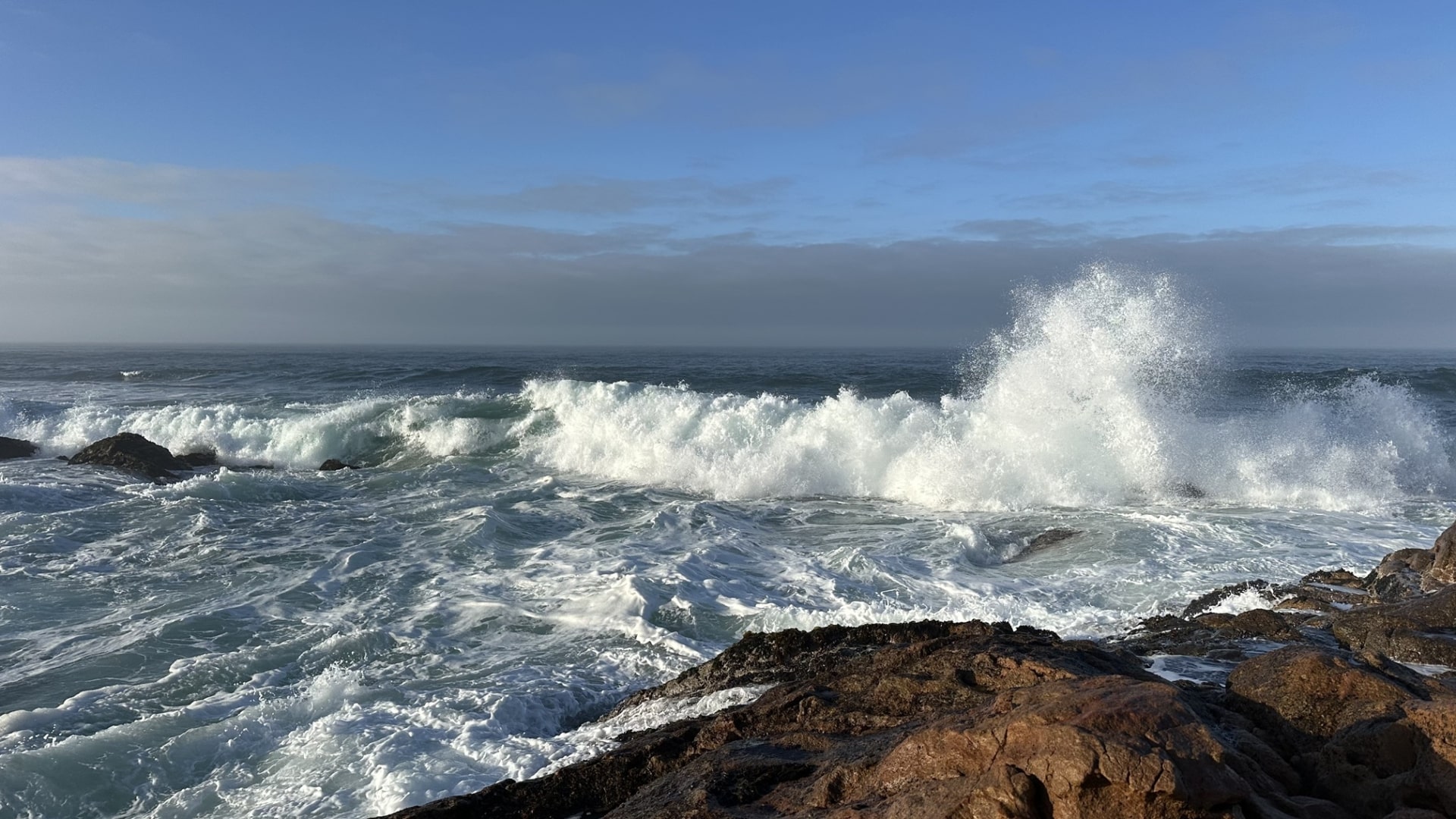
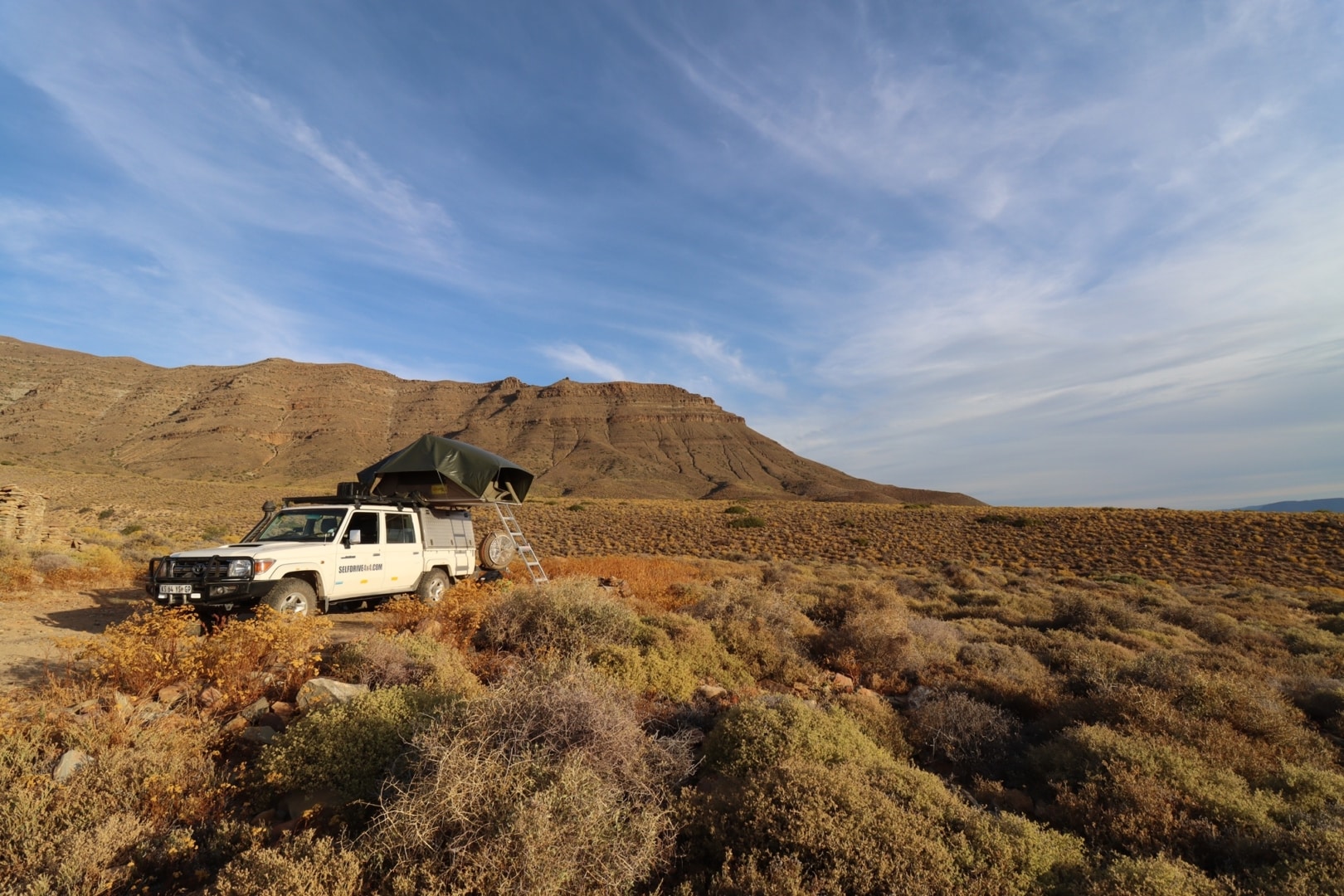
You start with three nights in Stellenbosch, with plenty of time for challenging hikes in Jonkershoek, a wine tasting or a day trip to Cape Town. Then it's time to lace up your hiking boots again in the Cederberg, where you spend three nights among gorges and striking rock formations. In the Tankwa Karoo, both the landscape and the feel of the journey change. Here, you spend a night camping with no facilities and no other travellers around. From there, you head towards the Atlantic coast. In Namaqua, you alternate hikes to deserted beaches with 4x4 driving on the Caracal Trail. Via Rocherpan and Cape Columbine, you complete the loop back to Cape Town.
With seven nights in lodges or B&Bs and six nights at campsites, this journey strikes a balance between outdoor adventure and comfort.
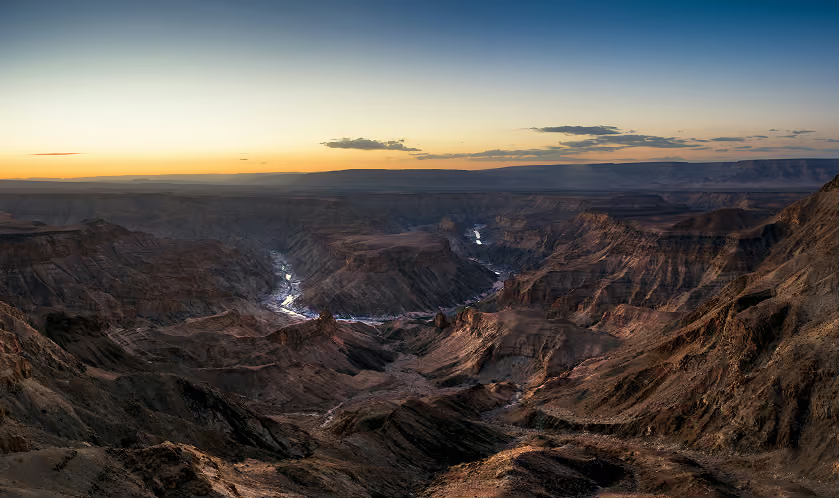
More time in the Cape region? That's possible too.
Not ready to head home after Cape Columbine? You can extend your journey with a stay in Cape Town. Or add another stop along the way. Your wishes and our expertise come together to shape a route that suits you.
Everything that makes this trip unforgettable.
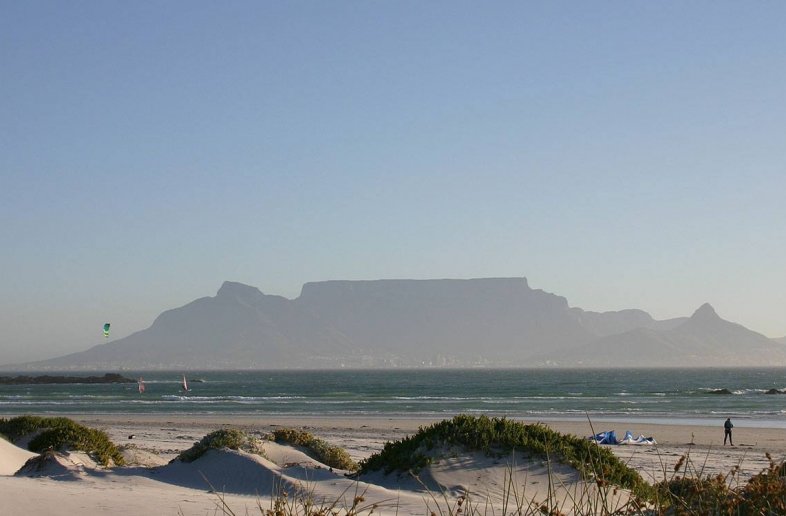
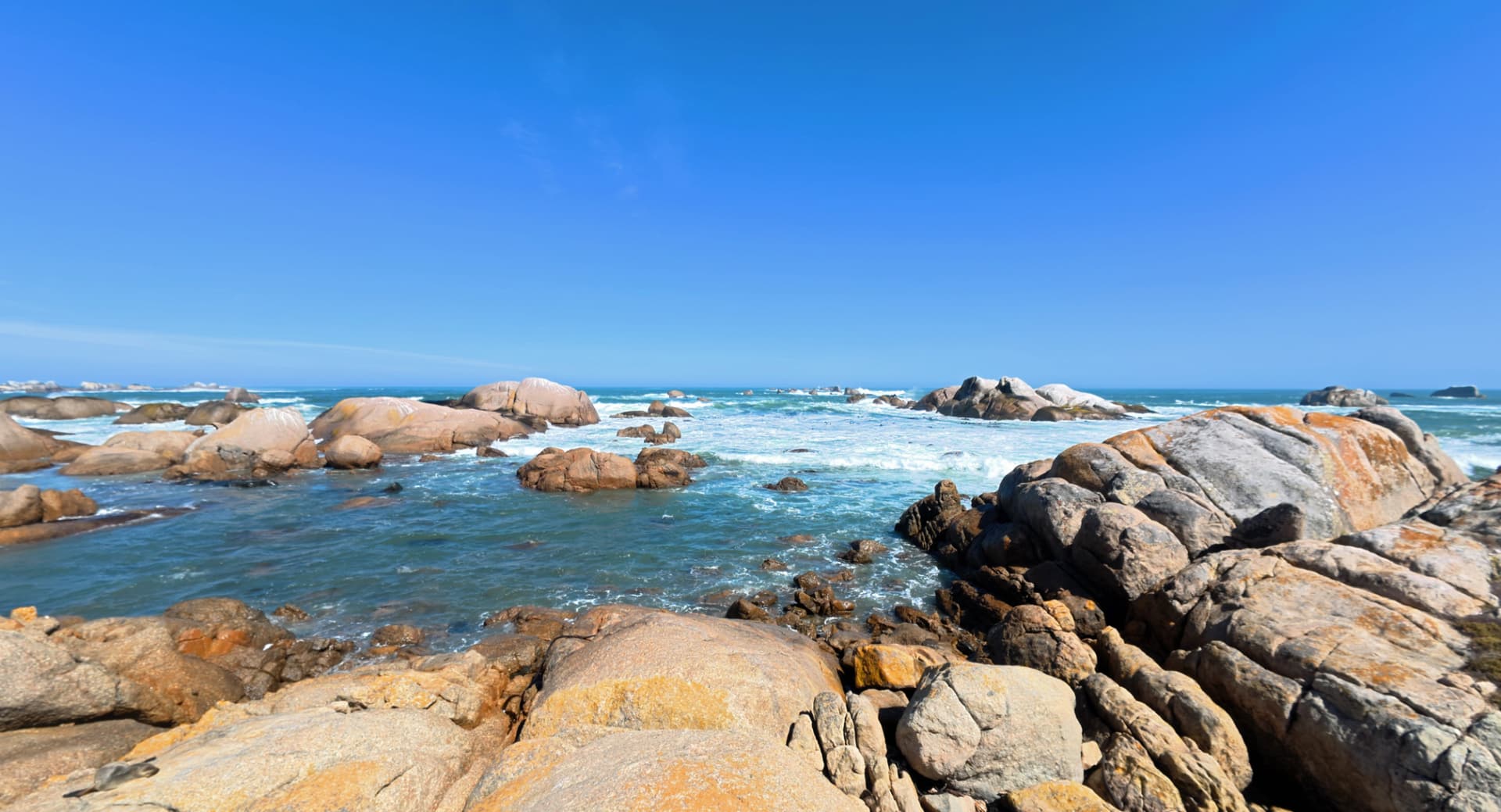
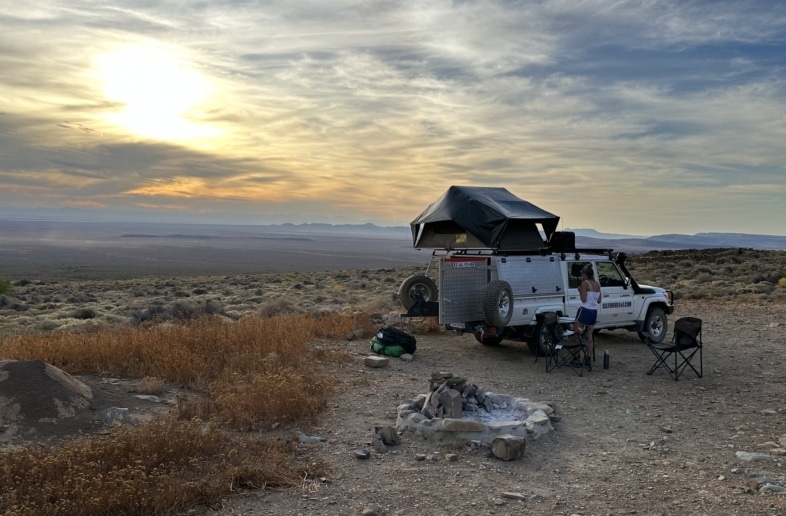
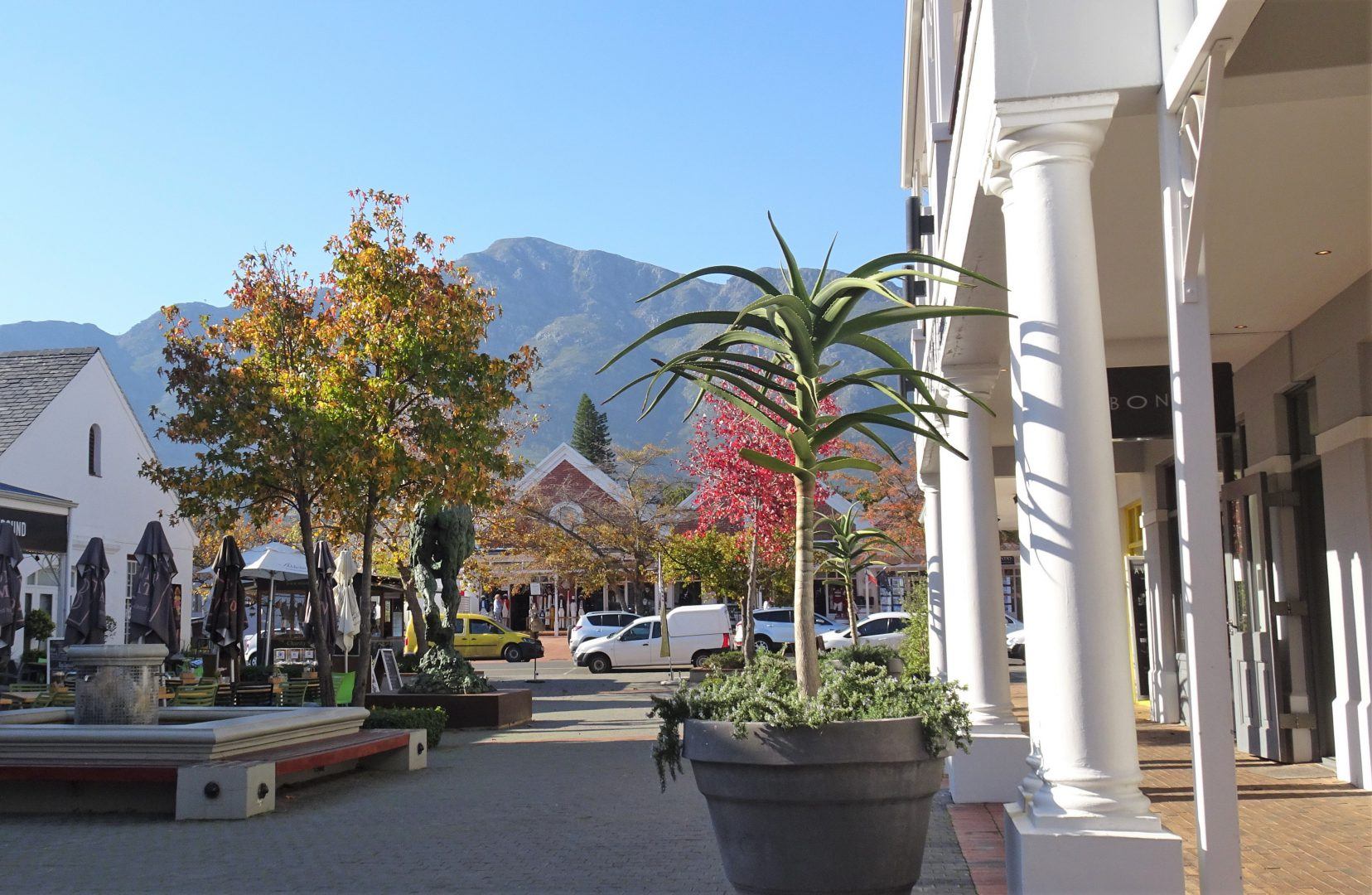

A journey filled with memorable stops.
The landscape keeps changing as you travel. From long days on the road through wide-open country to places where you park the 4x4 and lose track of time. Here’s how the journey unfolds day by day.
This trip is a starting point, not an endpoint.
Change a day or destination
Spend more time in one place, add a rest day or cover a little more ground. We adjust the route to suit your pace and the way you want to travel.
Choose a different 4x4
The right 4x4 depends on your route, who you’re travelling with and how much comfort you want along the way. Together, we’ll choose the vehicle that fits.
Add another country
Want to extend your trip into another country? We’ll look at the most practical route, border crossings and what works within the time you have.
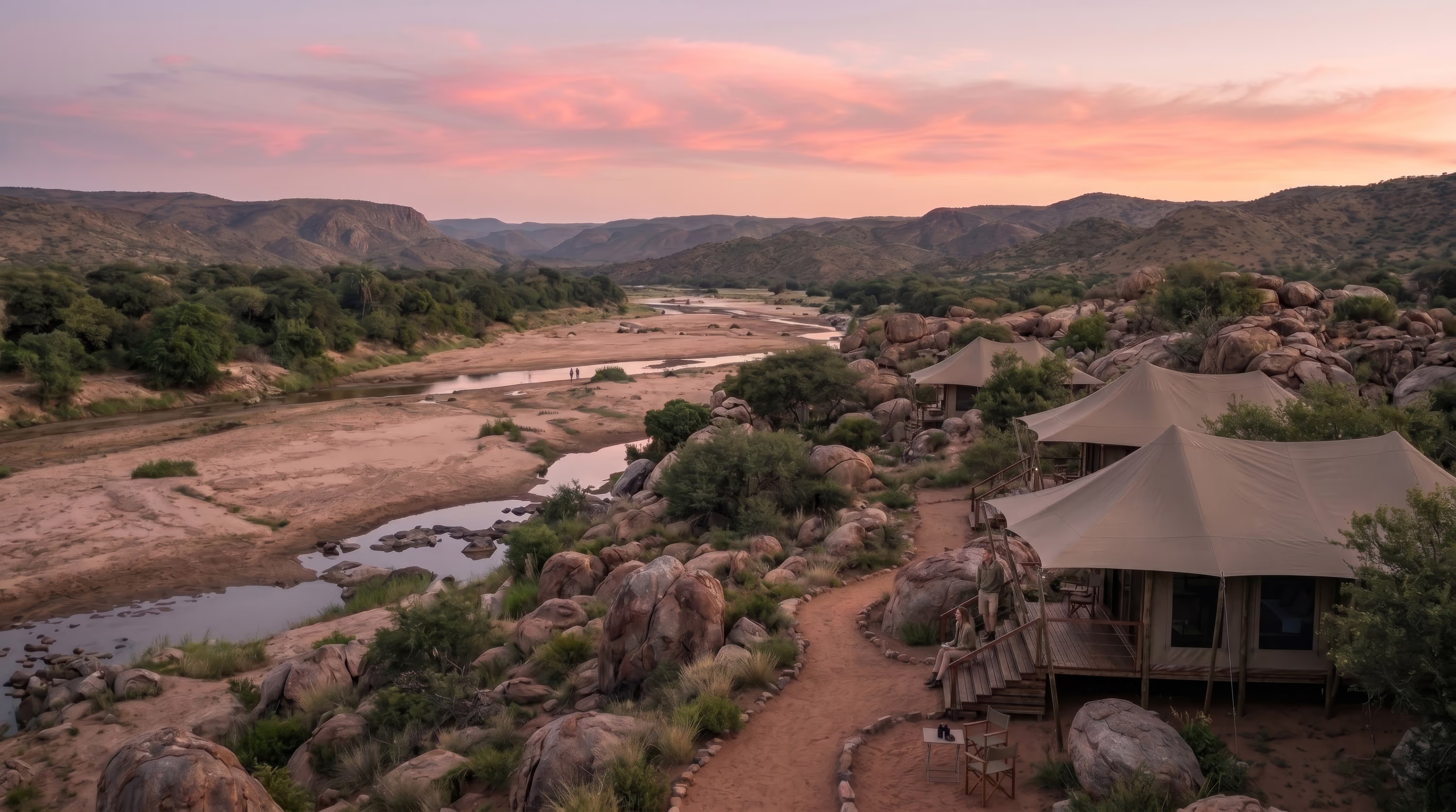
Fully prepared, no surprises.
A self-drive trip calls for clarity. That is why we are as transparent as possible about what we arrange and what you bring yourself. Everything you need for a carefree trip is on board; the rest is for you to fill in according to your own taste.
- Toyota Hilux 4x4 or similar
- All overnight stays listed in the quotation
- Two authorised drivers
- GPS with Tracks4Africa software
- Road map of South Africa
- Advice from experienced self-drive specialists
- Airport transfers
- Support
- Selfdrive4x4.com travel app
- International flights
- Entrance fees
- Fuel
- Meals and drinks
- Upgrades to fixed accommodation
- Upgrade to a Toyota Land Cruiser or 4x4 camper instead of a rooftop tent
- Excess reduction insurance
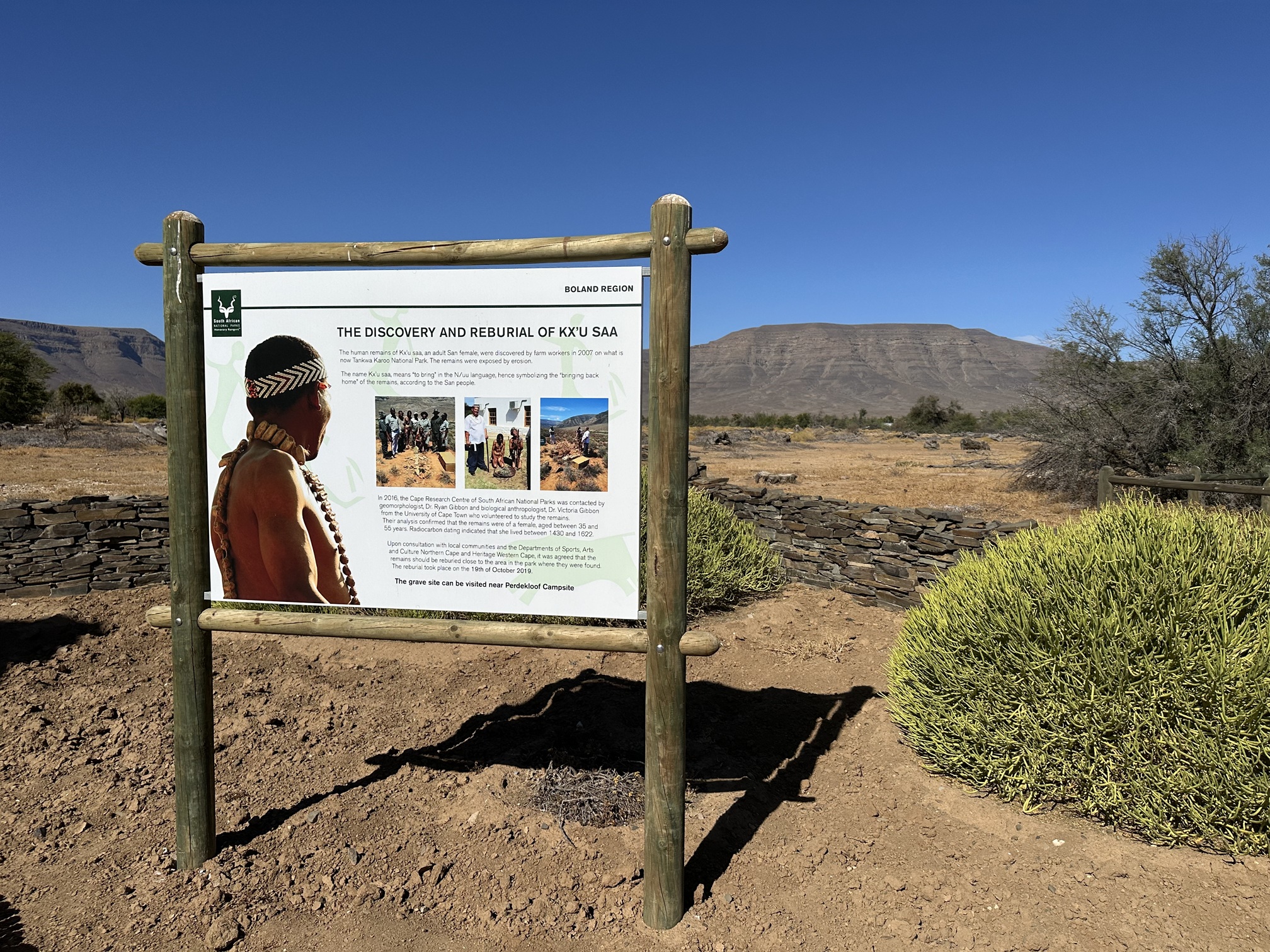
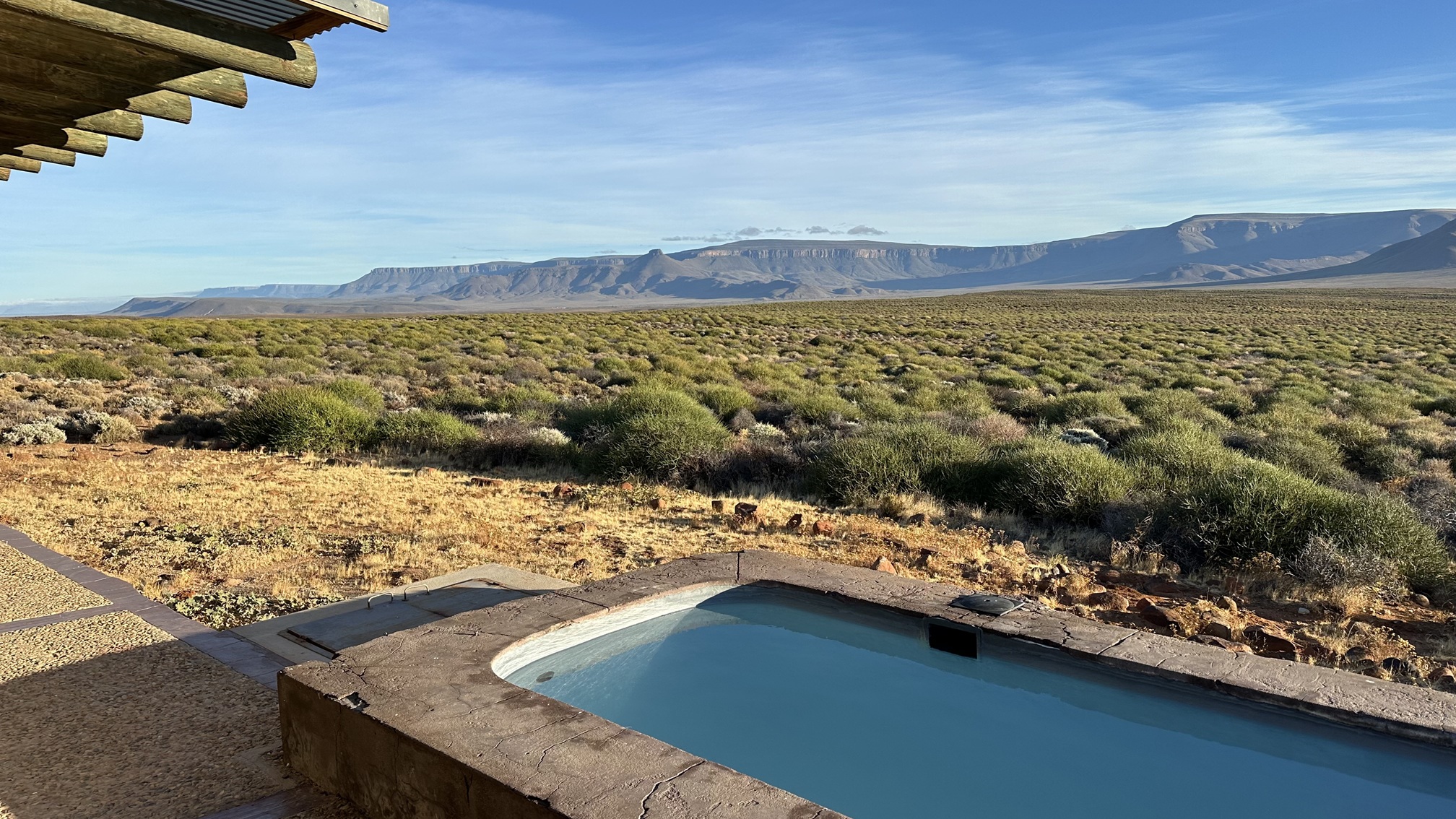

Your story begins the moment you start driving.
Not quite what you’re looking for?
Every self-drive trip is a starting point, not an endpoint. You can adapt an existing trip or create your own with us. We’ll help you shape the route, choose the right 4x4, find places to stay and prepare for the journey, so everything fits the way you want to travel.
Frequently asked questions.
From driving a 4x4 to routes, preparation and sleeping along the way. Here you’ll find answers to the questions that often come up before you set off.
From the savannahs of Kruger National Park to the wetlands and coastline of iSimangaliso. Travelling through Eswatini takes you across changing landscapes and reveals a different side of Southern Africa.
From southern Kruger, you'll drive through Eswatini towards St Lucia. Along the way, you can stay near Mlilwane Wildlife Sanctuary or in the green Ezulwini Valley. From there, continue to St Lucia, your base for exploring iSimangaliso Wetland Park.
We recommend allowing several days for this route. That gives you time to stop along the way and explore the different areas without spending too many long days behind the wheel.
We'll help you plan your overnight stays around the route and arrange the necessary cross-border documents for your rental 4x4.
The Swartberg Pass takes you along a winding gravel road through the mountains of South Africa's Western Cape. In dry weather and good road conditions, you generally don't need a 4x4 to drive this route.
A vehicle with higher ground clearance can make the journey more comfortable. Along the way, you'll encounter narrow bends and steep sections. Take your time, adjust your speed and stop somewhere safe to enjoy the mountain views.
After heavy rain or snowfall, road conditions can change and the pass may be temporarily closed. Always check the latest road conditions before setting off, even if you're travelling in a 4x4.
South Africa is a great place to experience your first self-drive journey by 4x4. You'll travel through varied landscapes, from green coastal roads to wildlife areas where you may encounter animals along the way.
Our Garden Route Selfdrive and Wildlife & Zulu Coast Selfdrive are both rewarding introductions to the country. Each route offers plenty of opportunities to stop along the way and explore South Africa at your own pace.
You don't need previous off-road driving experience for the routes we recommend to first-time 4x4 travellers.
With our travel app, you'll have your itinerary, practical travel information and detailed driving instructions close at hand. That way, you'll know what to expect along the route and can focus on enjoying the journey.
When travelling through South Africa, it's useful to carry both a credit card and some cash in South African rand. This gives you flexibility when paying for things along the way.
Many SANParks national park entrance gates accept electronic payments. Payment options at toll roads vary by location, and foreign credit cards aren't accepted everywhere.
Having some cash is also useful for small shops and unexpected stops along your route.
We recommend travelling with both a payment card and a small amount of cash, so you're prepared for the different payment options you may encounter along the way.
Cape Town and Kruger National Park reveal two very different sides of South Africa. From the coastline, mountains and Winelands around Cape Town to the wide-open savannahs and wildlife of Kruger National Park.
If you have enough time, you can combine both destinations in a varied self-drive journey. Along the way, there's room for memorable stops and the chance to experience South Africa's changing landscapes.
Travelling with less time? A domestic flight can be a practical way to connect two self-drive routes without spending long days behind the wheel.
We'll help you plan an itinerary that gives you enough time in both places, with a comfortable pace and space to enjoy the journey.
It's wise to book your campsites and lodges in South Africa ahead of time. Popular places to stay, particularly in national parks such as Kruger and during school holidays, can fill up quickly.
Planning early gives you more choice of accommodation and allows us to shape your route around the places you'd like to stay. We can often arrange reservations well in advance.
Planning to leave soon? We'll be happy to explore the options with you. We'll check which campsites and lodges are still available for your travel dates and help you find a route that fits.
The Western Cape is a great place to begin your first self-drive journey through South Africa. You could start in Cape Town, travel through the Winelands, head towards the rugged Cederberg Mountains and continue along the coast.
Along the way, mountain passes, vineyards, small towns and wide coastal landscapes create a varied journey. Most of the route follows well-maintained roads, giving you the freedom to stop whenever something catches your eye.
Curious about other African destinations for your first self-drive adventure? Our blog Africa for Beginners explores the possibilities and suggested routes for each country.
In many of South Africa's national parks, you can go on safari in your own vehicle. With your 4x4, you can explore places such as Kruger National Park and Addo Elephant National Park at your own pace, stopping along the way to watch wildlife.
There are a few rules to keep in mind. You'll need to stay on roads open to visitors and follow the park gate opening and closing times. Some routes also require special permits or a guide.
We'll advise you on the possibilities and regulations for each park before you set off. That way, you can choose a route that suits the wildlife you'd like to see and the way you prefer to travel.
You don't need a 4x4 for every route in South Africa. Many well-known destinations are easily accessible with a regular rental car, including the standard tourist roads in Kruger National Park.
If you'd like to venture beyond the main roads, camp in nature or explore more remote areas, a 4x4 gives you greater flexibility. Dedicated 4x4 trails, however, require a suitable off-road vehicle.
The right vehicle depends on the route you'd like to take and the way you prefer to travel.
Tell us what you'd like to see and experience along the way. We'll help you choose a vehicle that suits your plans.
The Great Migration is an annual journey of vast herds of wildebeest, zebras and other grazing animals through the Serengeti in Tanzania and the Masai Mara in Kenya. The animals follow the rains and fresh grass, so their exact location varies from season to season and year to year.
January to March: newborn wildebeest on the southern plains
Large herds gather around Ndutu and the southern Serengeti. February is usually the peak calving season, when thousands of wildebeest calves are born. The open plains come alive with newborn animals, while predators search for their next meal.
April to June: the herds move west
The migration gradually moves through the central and western Serengeti. Along the way, long lines of animals stretch across the plains. Their exact route depends on rainfall and the availability of fresh grass.
July to October: the northern Serengeti and Masai Mara
During these months, many herds move towards the northern Serengeti and the Masai Mara. This is when you may have the opportunity to witness a river crossing at the Mara River. August and September are often rewarding months for a safari in the Masai Mara.
River crossings are unpredictable. Sometimes the animals wait on the riverbanks for days before making their move. That's why we recommend allowing several safari days in your itinerary.
October to December: the journey south
The herds gradually make their way south again, often passing through the eastern and central Serengeti. As the rains return, fresh grass grows across the southern plains and the annual cycle begins again.
A self-drive safari following the Great Migration
You don't need to visit both Tanzania and Kenya to experience the Great Migration. We'll plan your route around your travel dates and select lodges and campsites in areas where you're more likely to encounter the herds during that season.
Tell us when you'd like to travel. We'll help you plan a suitable self-drive route, arrange your accommodation and, if you prefer, include a local guide.
That way, you'll have time to follow the migration at your own pace, while keeping in mind that the animals' exact movements can never be guaranteed.
Related trips
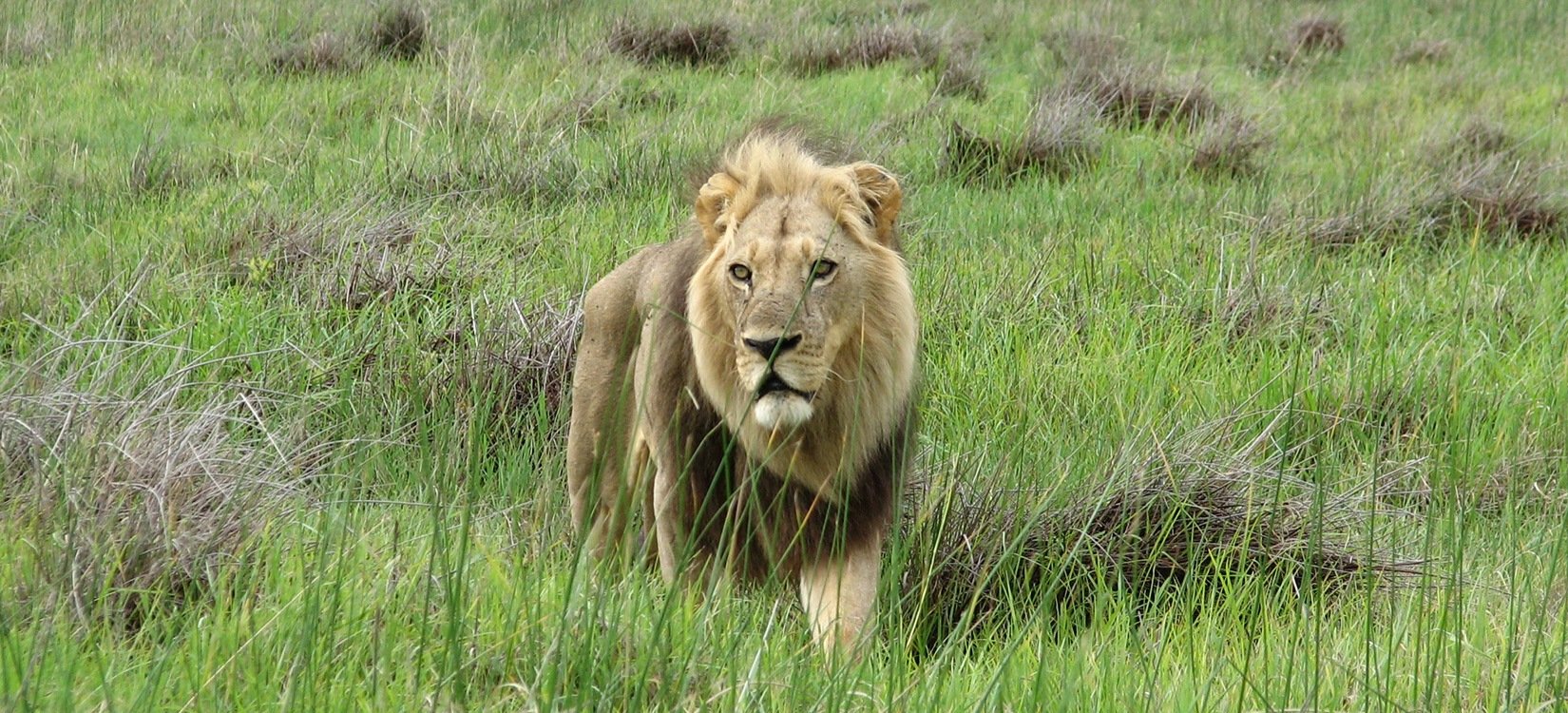

South Africa and eSwatini Wildlife & Zulu Coast
Garden Route en Baviaanskloof Hiking & 4x4