


Tanzania Wildlife and Maasai Culture Self-Drive
This 4x4 journey through northern Tanzania alternates campsites in the bush with lodges and tented camps. Tarangire National Park, Lake Manyara, Ngorongoro Crater, Serengeti National Park and Lake Natron all sit along the route. The itinerary changes with the season and the current position of the Great Migration.
Not quite the trip you’re looking for? This trip can be fully tailored to your preferences.
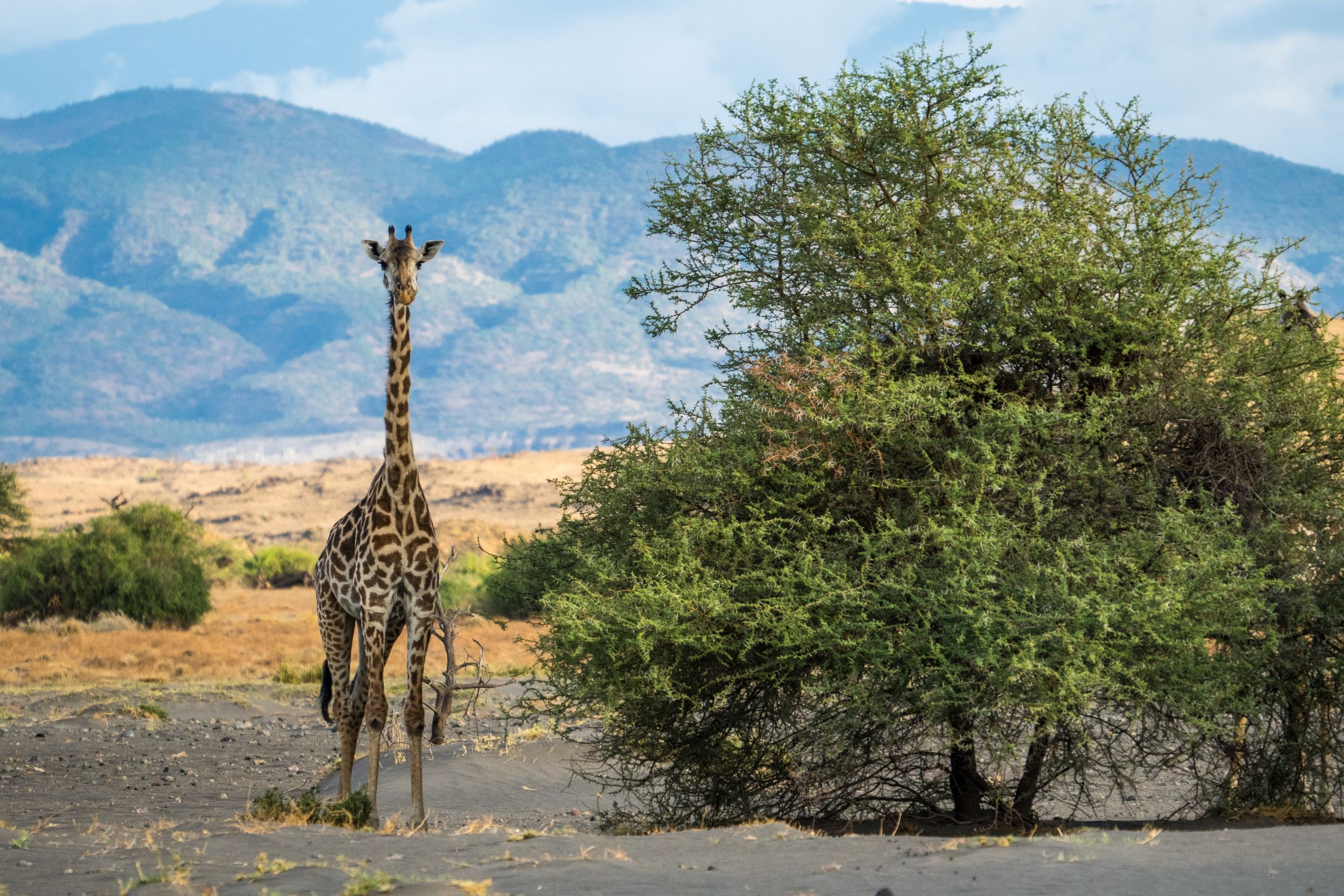
Everything mapped out. The route remains yours.
Tarangire opens the journey with baobabs and elephants. Lake Manyara and the edge of Ngorongoro Crater follow.
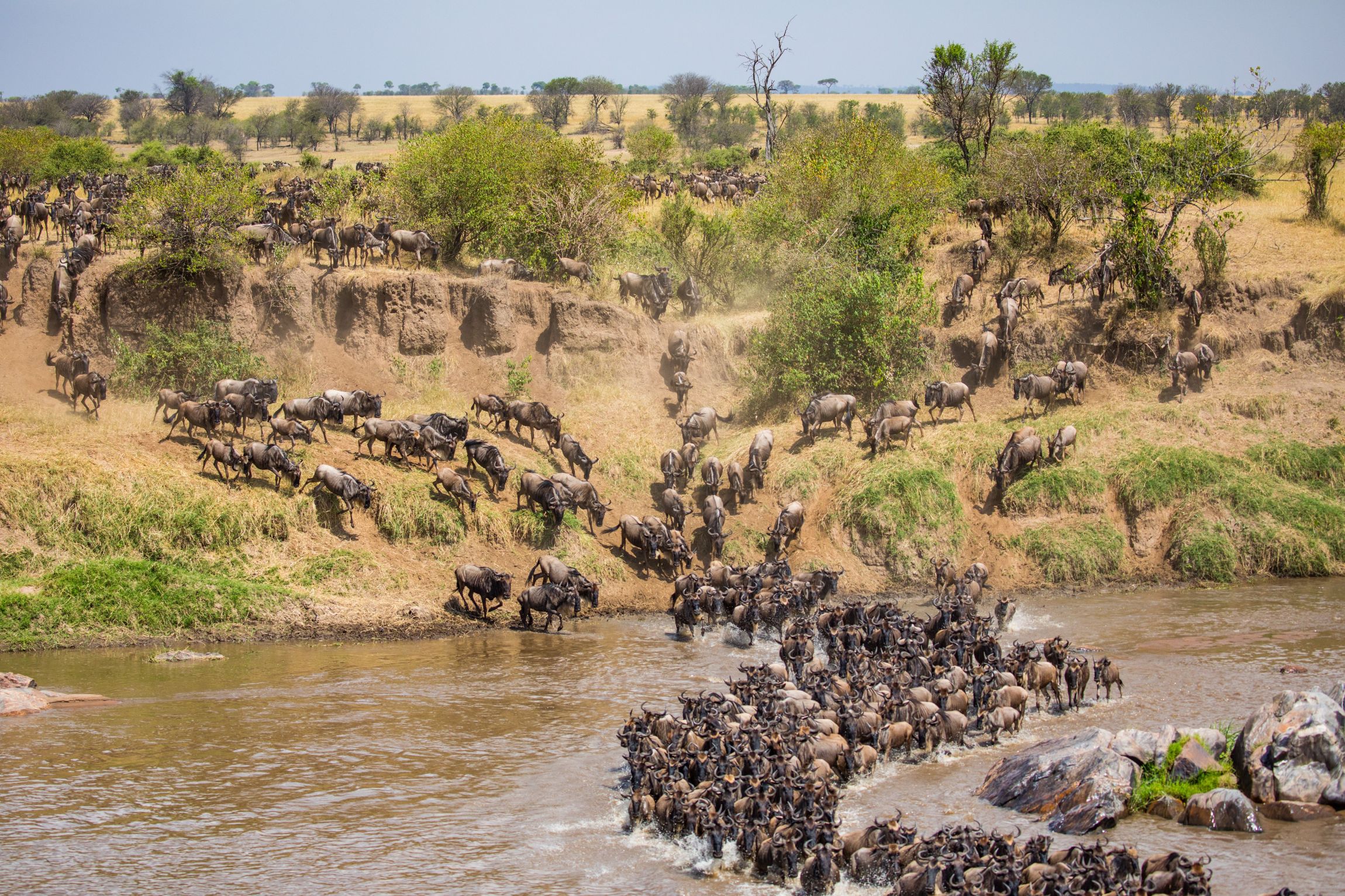
From day five, the season matters. In winter, the route runs through Ndutu. In summer, you continue directly to Serengeti. Overnight locations inside Serengeti can also shift to stay closer to the current position of the Great Migration.
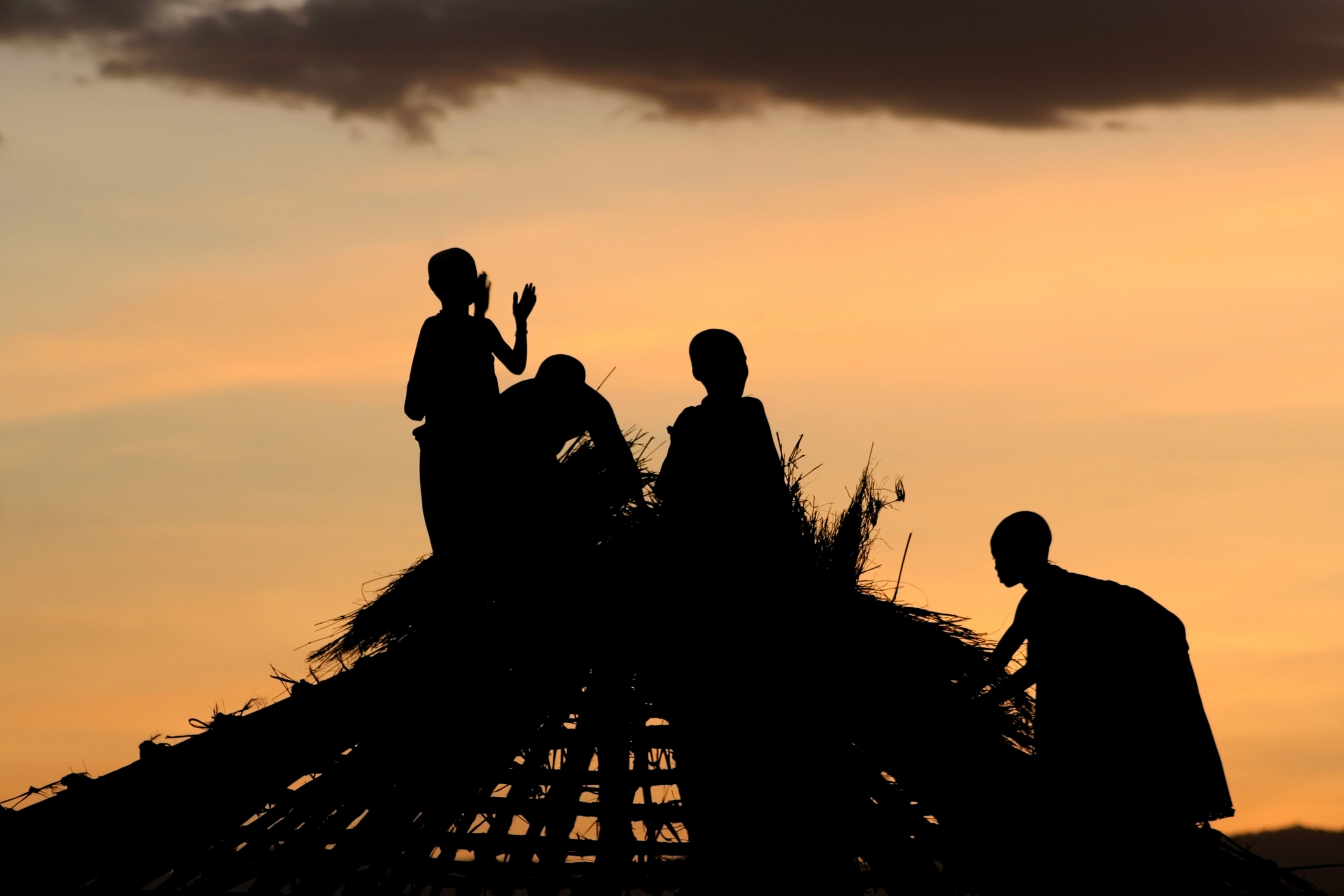
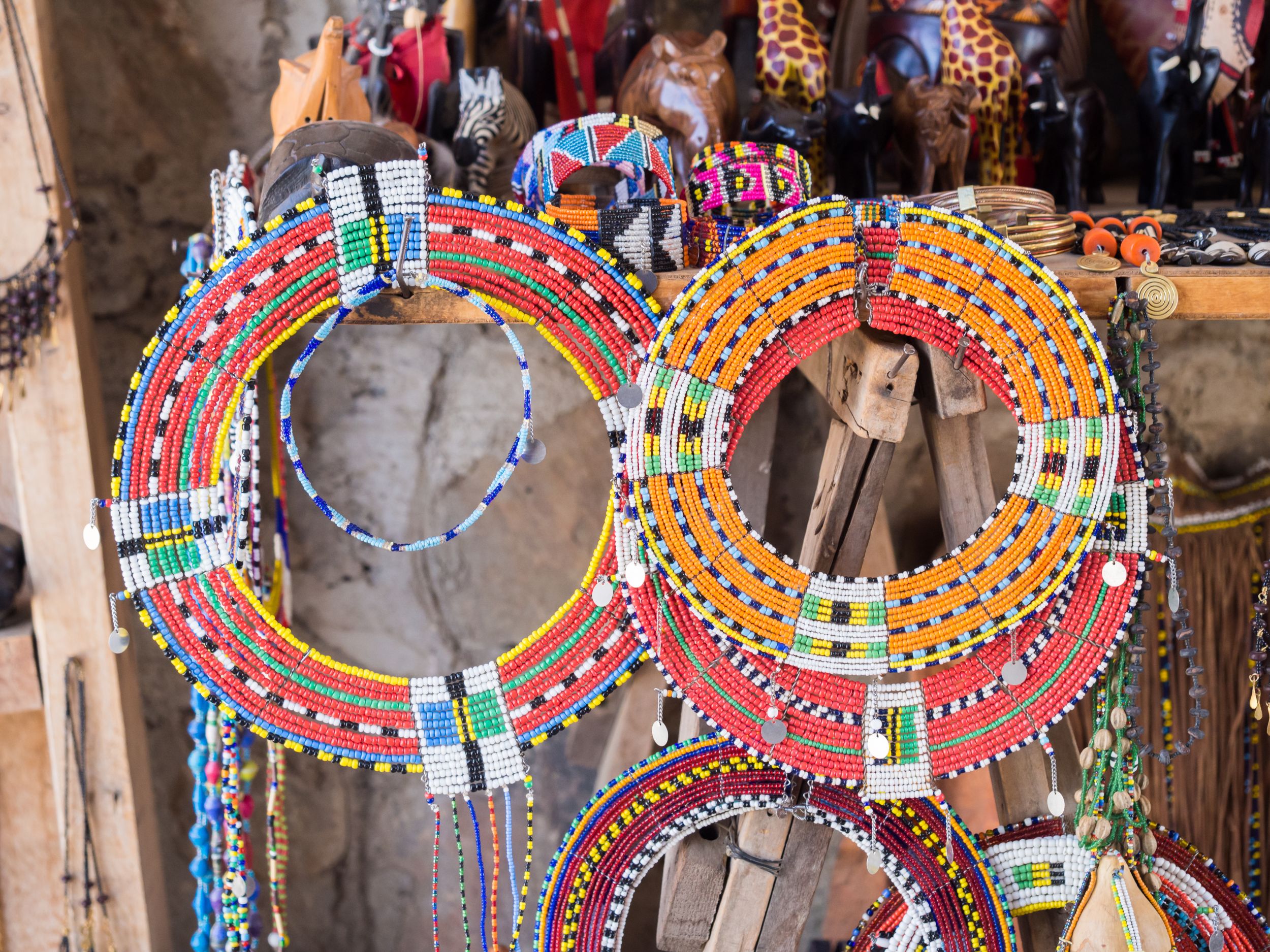
Lake Natron changes the pace once more. Ol Doinyo Lengai, the soda lake, guided walks and Maasai culture take over before the return to Arusha.
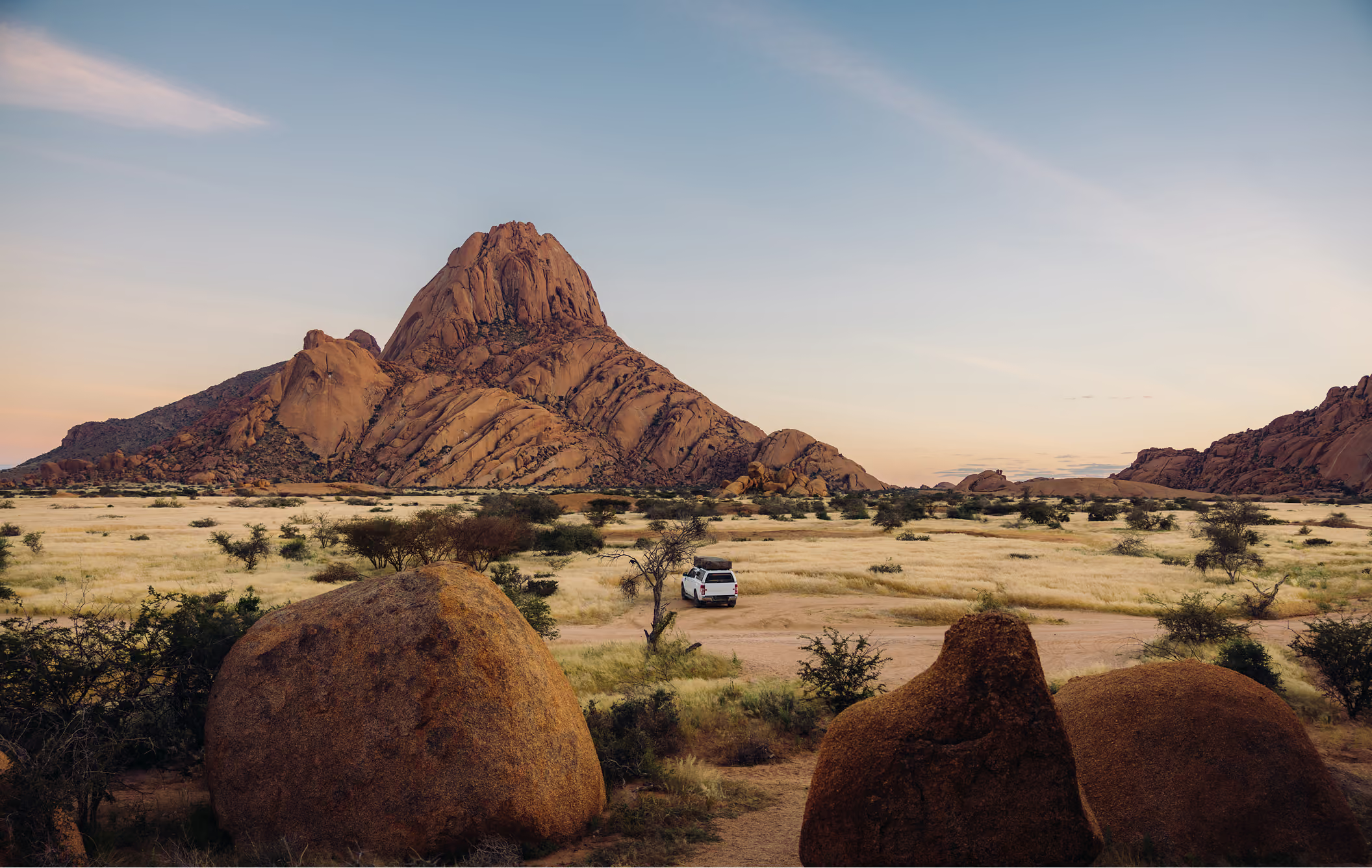
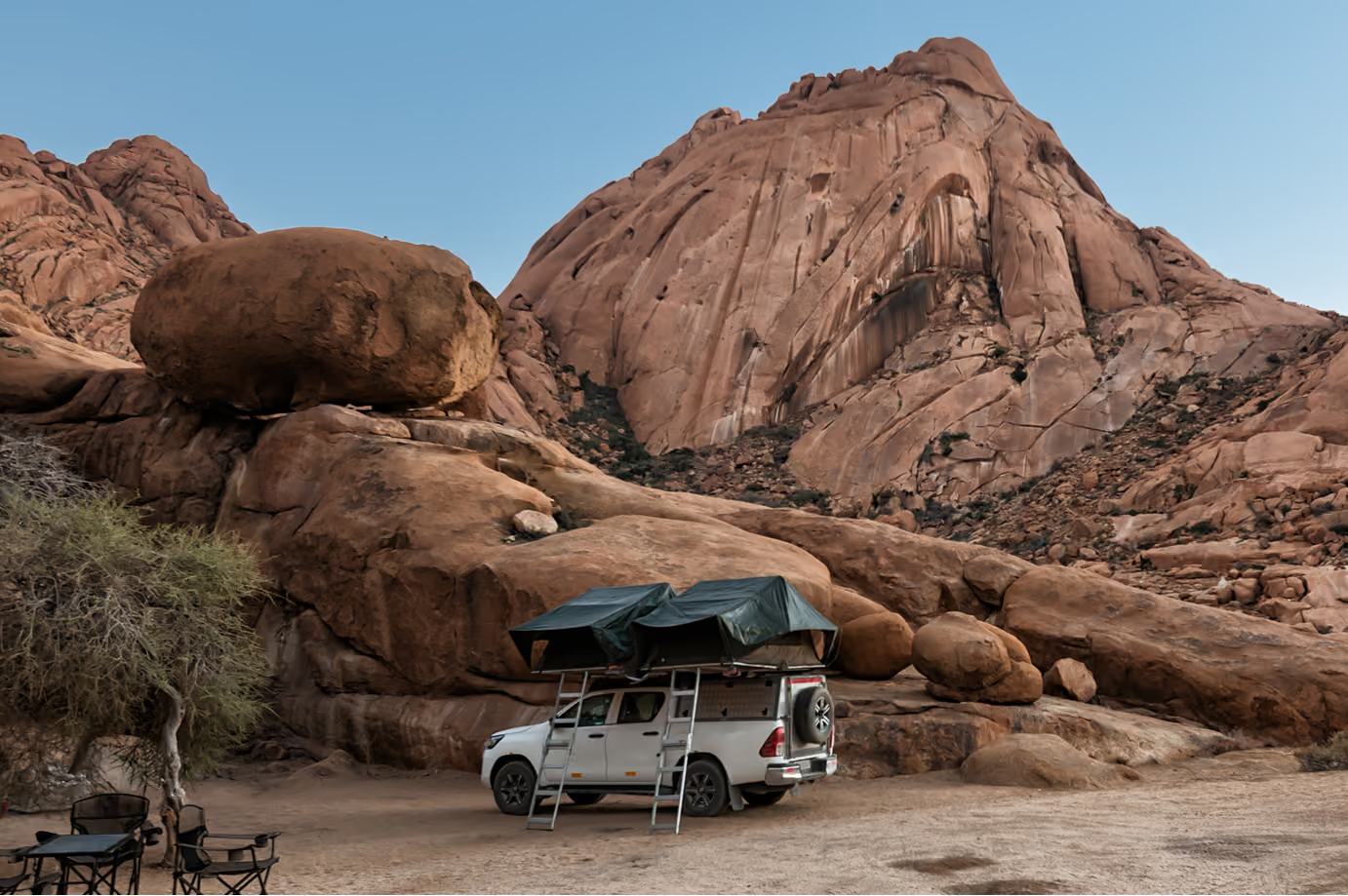
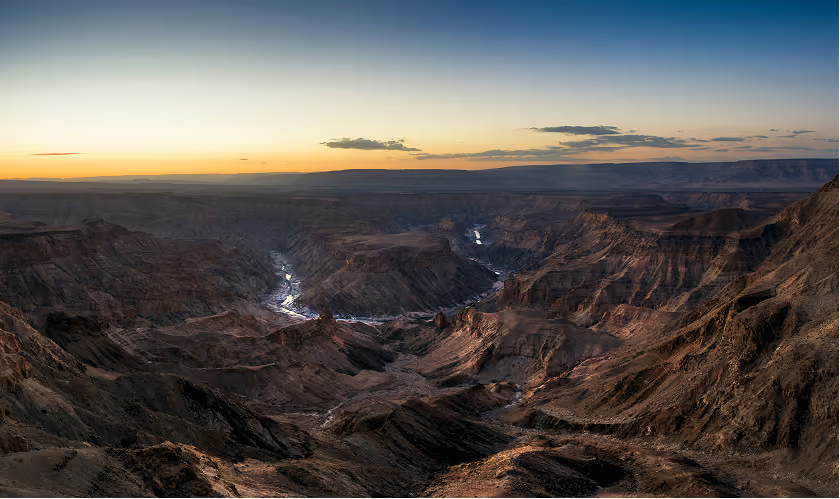
After Arusha, the journey can keep moving.
Continue to Zanzibar or Pemba, take on a mountain trek on Kilimanjaro or Mount Meru, or combine Tanzania with Kenya. The ten-day route itself can also be adjusted to your preferences and the season.
Everything that makes this trip unforgettable.

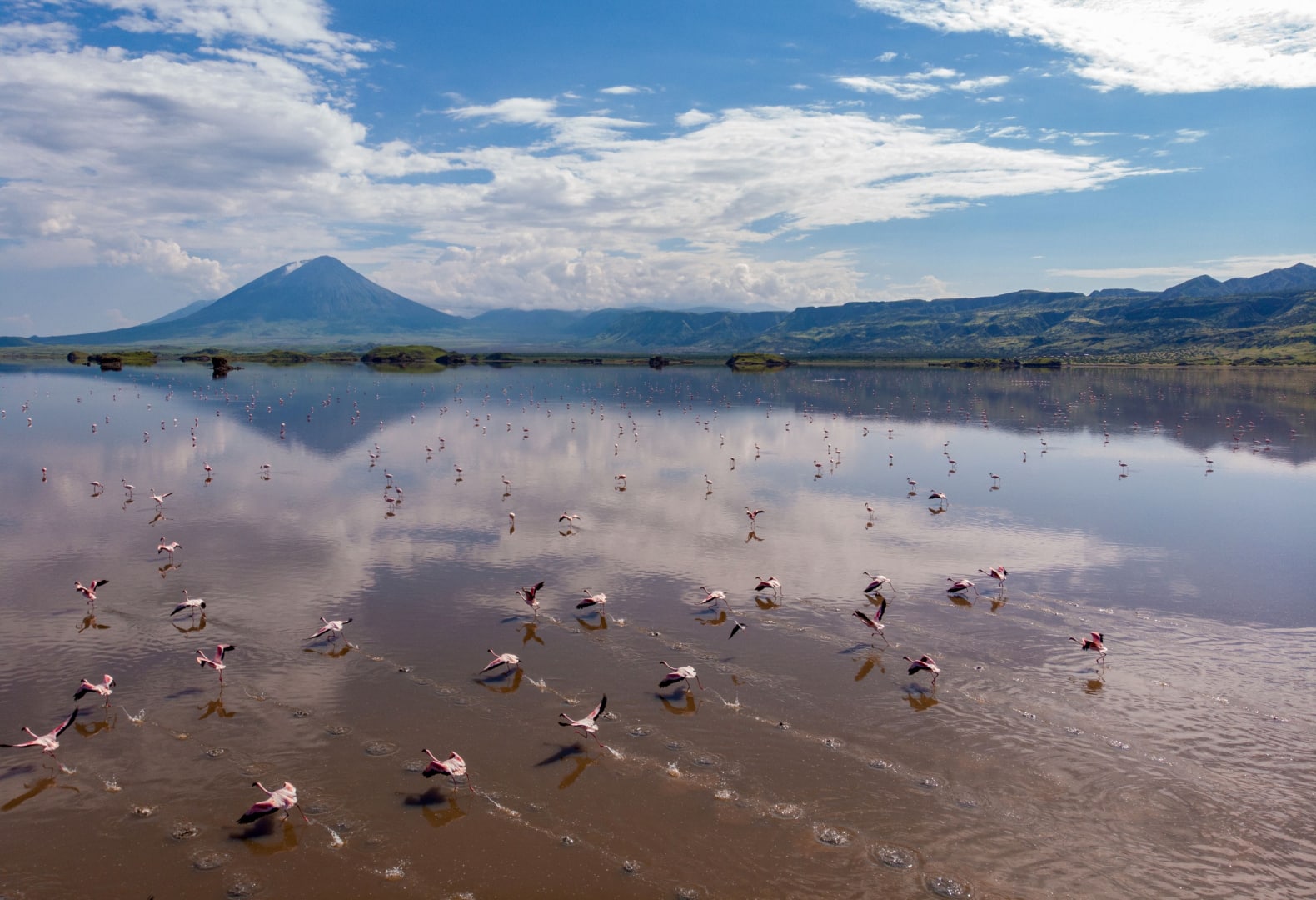
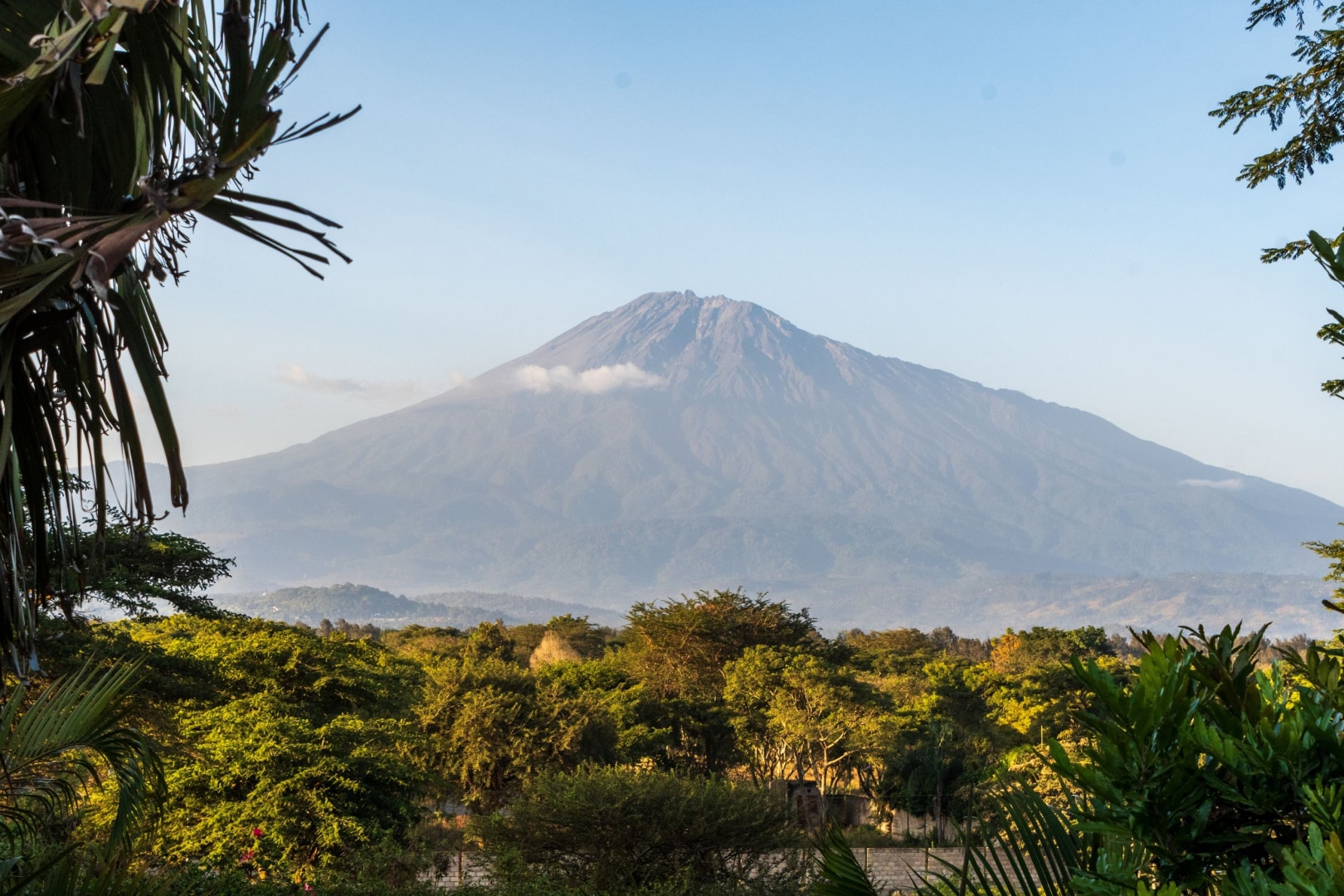
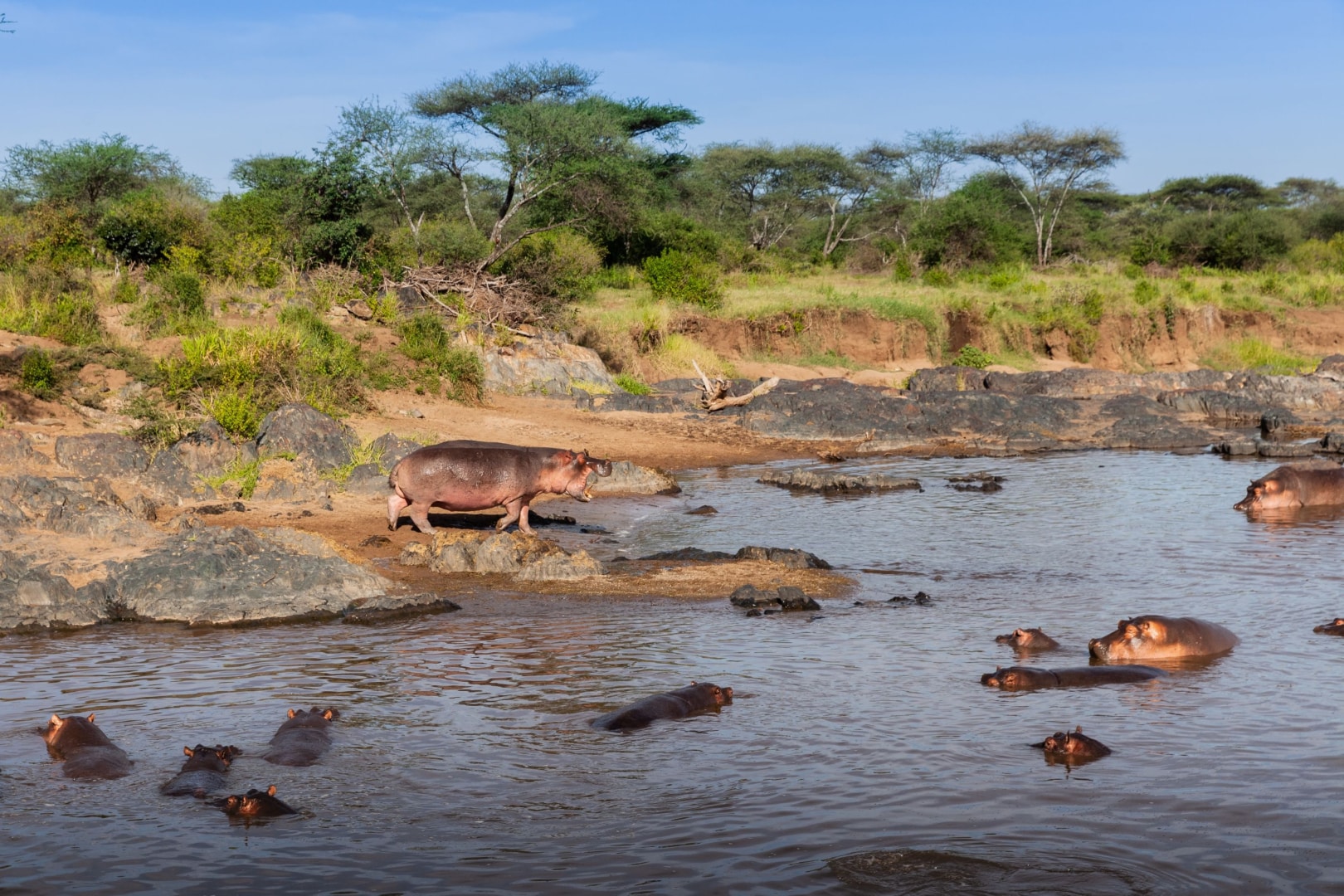
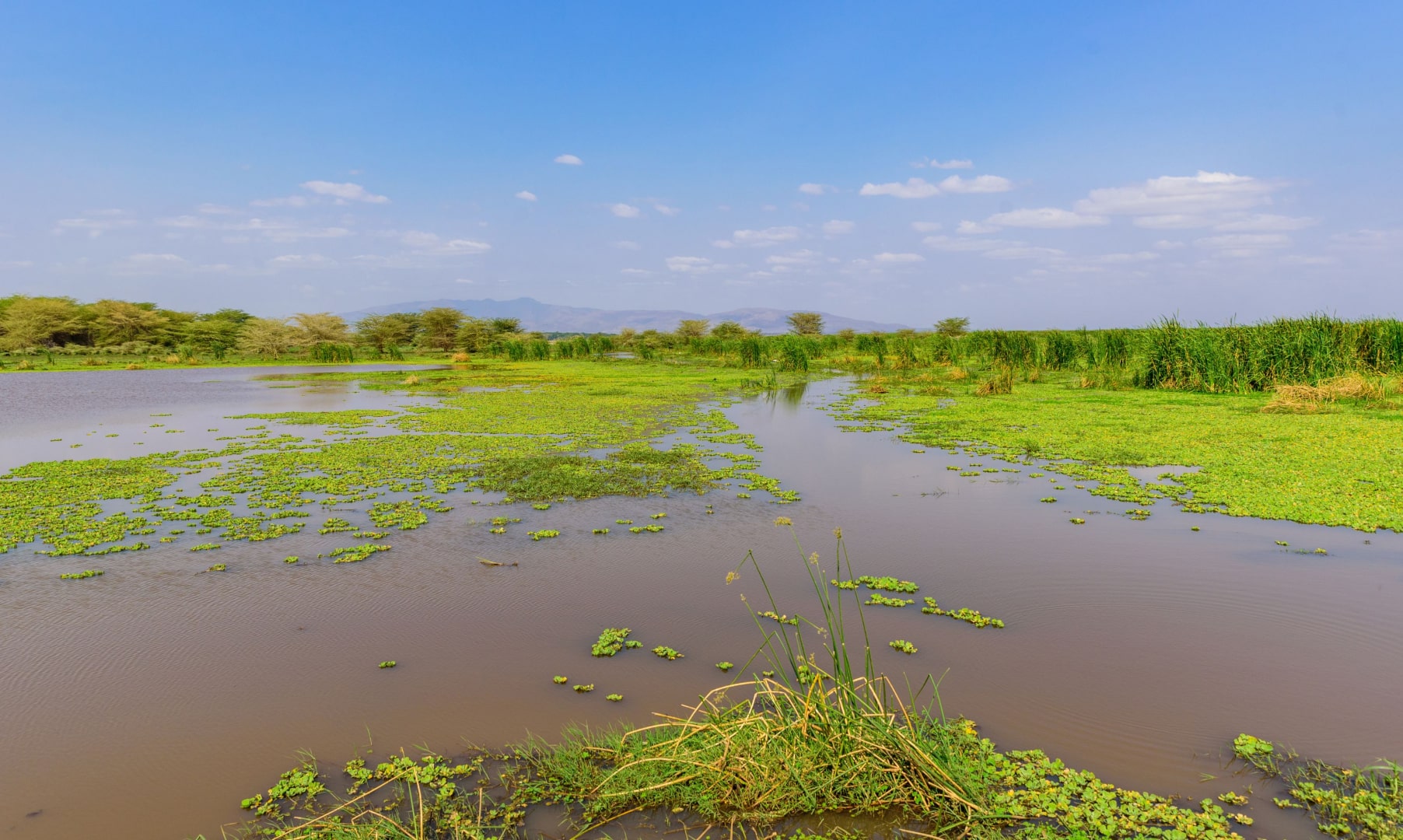
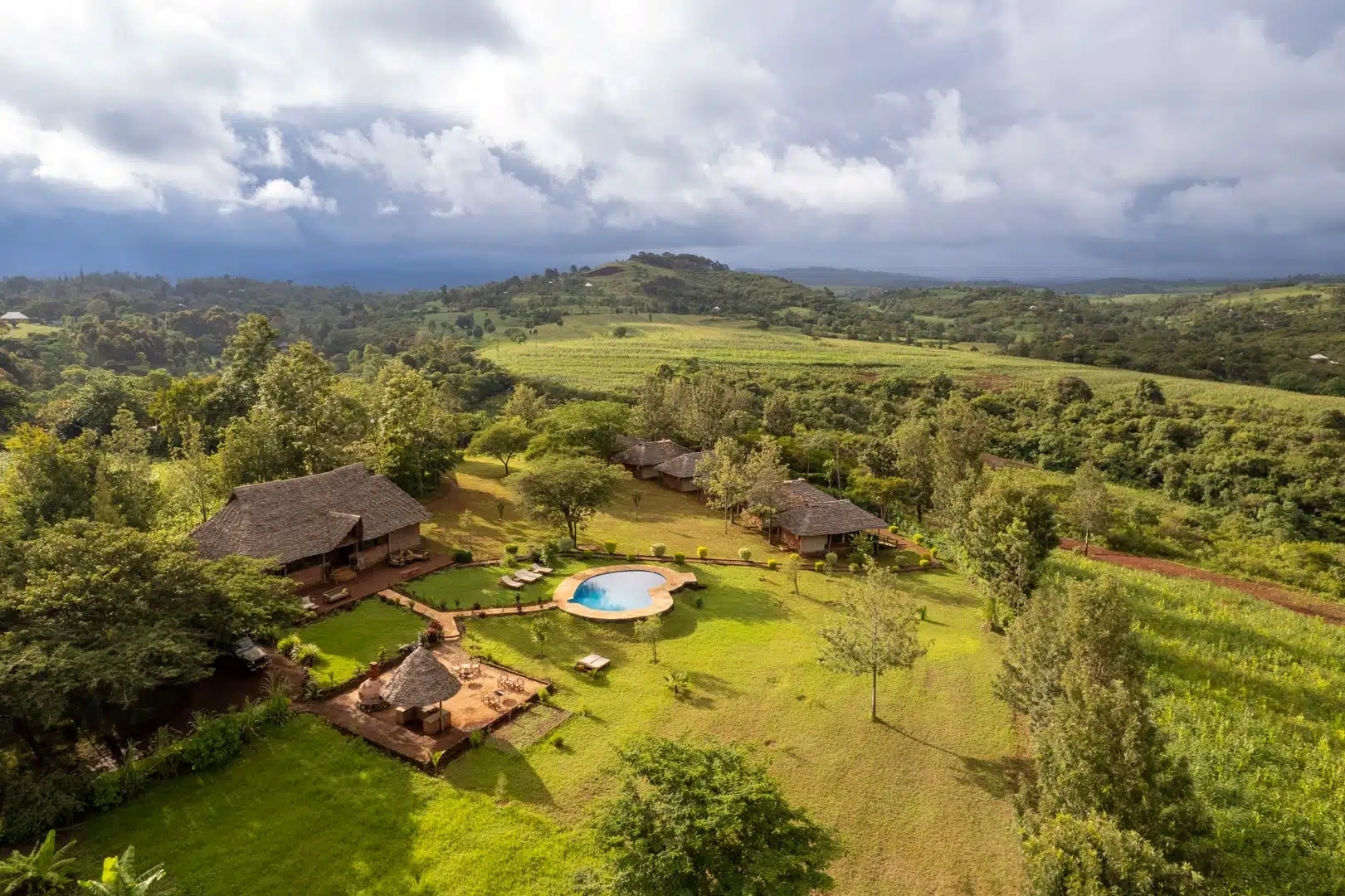

A journey filled with memorable stops.
The landscape keeps changing as you travel. From long days on the road through wide-open country to places where you park the 4x4 and lose track of time. Here’s how the journey unfolds day by day.
This trip is a starting point, not an endpoint.
Change a day or destination
Spend more time in one place, add a rest day or cover a little more ground. We adjust the route to suit your pace and the way you want to travel.
Choose a different 4x4
The right 4x4 depends on your route, who you’re travelling with and how much comfort you want along the way. Together, we’ll choose the vehicle that fits.
Add another country
Want to extend your trip into another country? We’ll look at the most practical route, border crossings and what works within the time you have.
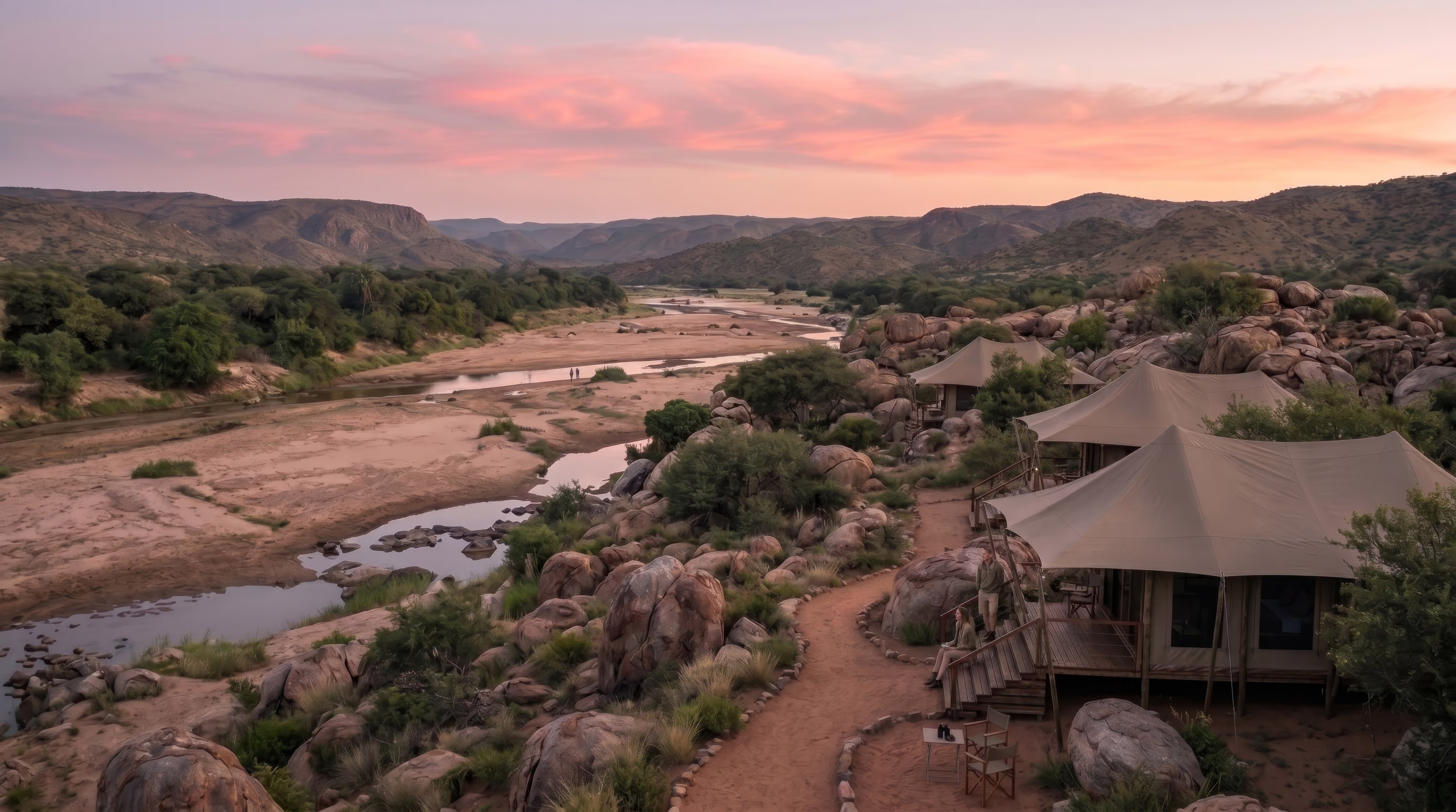
Fully prepared, no surprises.
A self-drive trip calls for clarity. That is why we are as transparent as possible about what we arrange and what you bring yourself. Everything you need for a carefree trip is on board; the rest is for you to fill in according to your own taste.
- Toyota Land Cruiser 4x4 or similar
- All overnight stays listed in the quotation
- Meals named in the day-by-day itinerary
- GPS with Tracks4Africa software
- A clear map of Tanzania
- Permit for the Ngorongoro area, with the additional crater entrance available separately
- Advice from experienced self-drive specialists
- Airport transfers
- Support
- Selfdrive4x4.com travel app
- Vehicle insurance
- International flights
- Entrance fees, permits and community fees paid locally
- Fuel
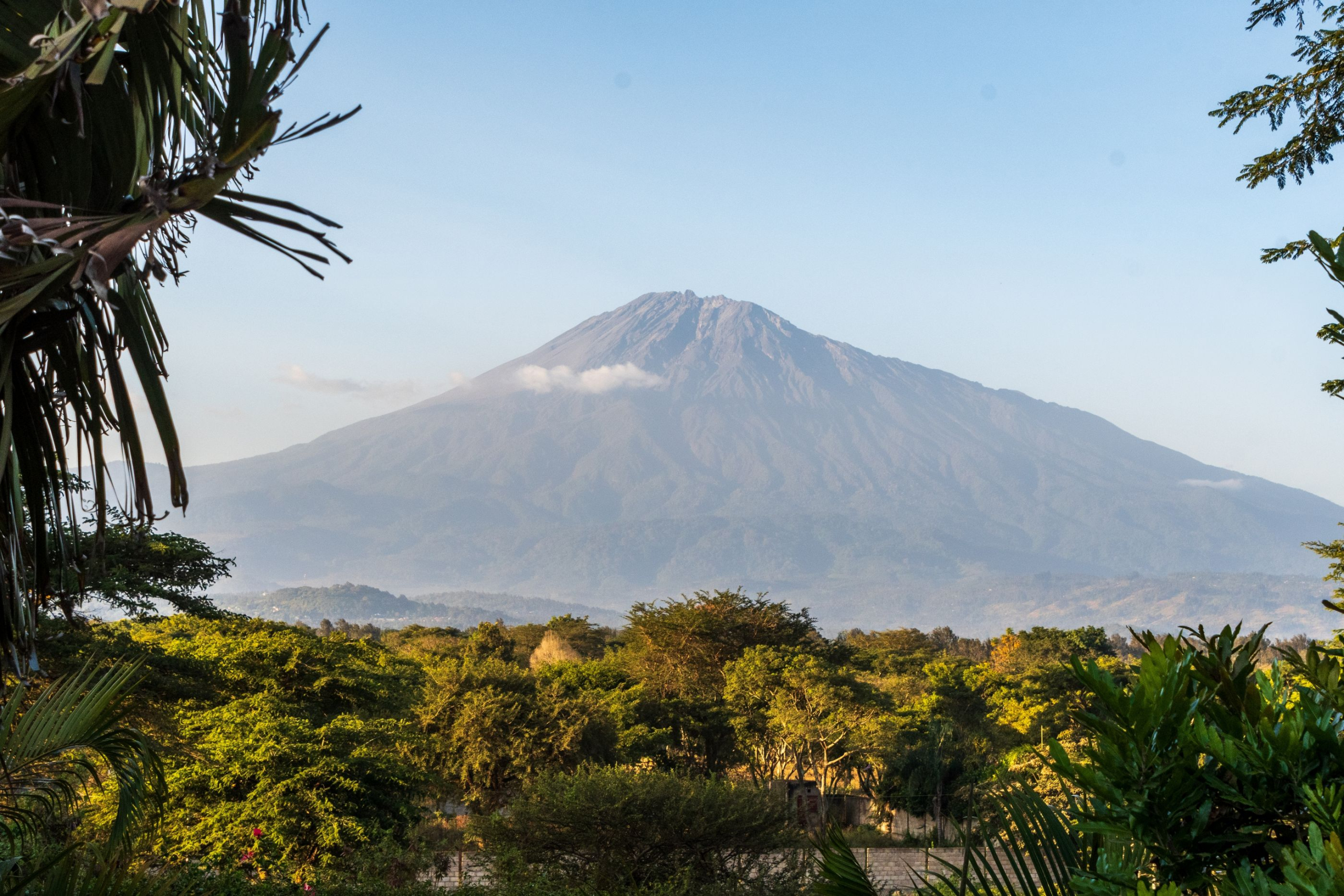
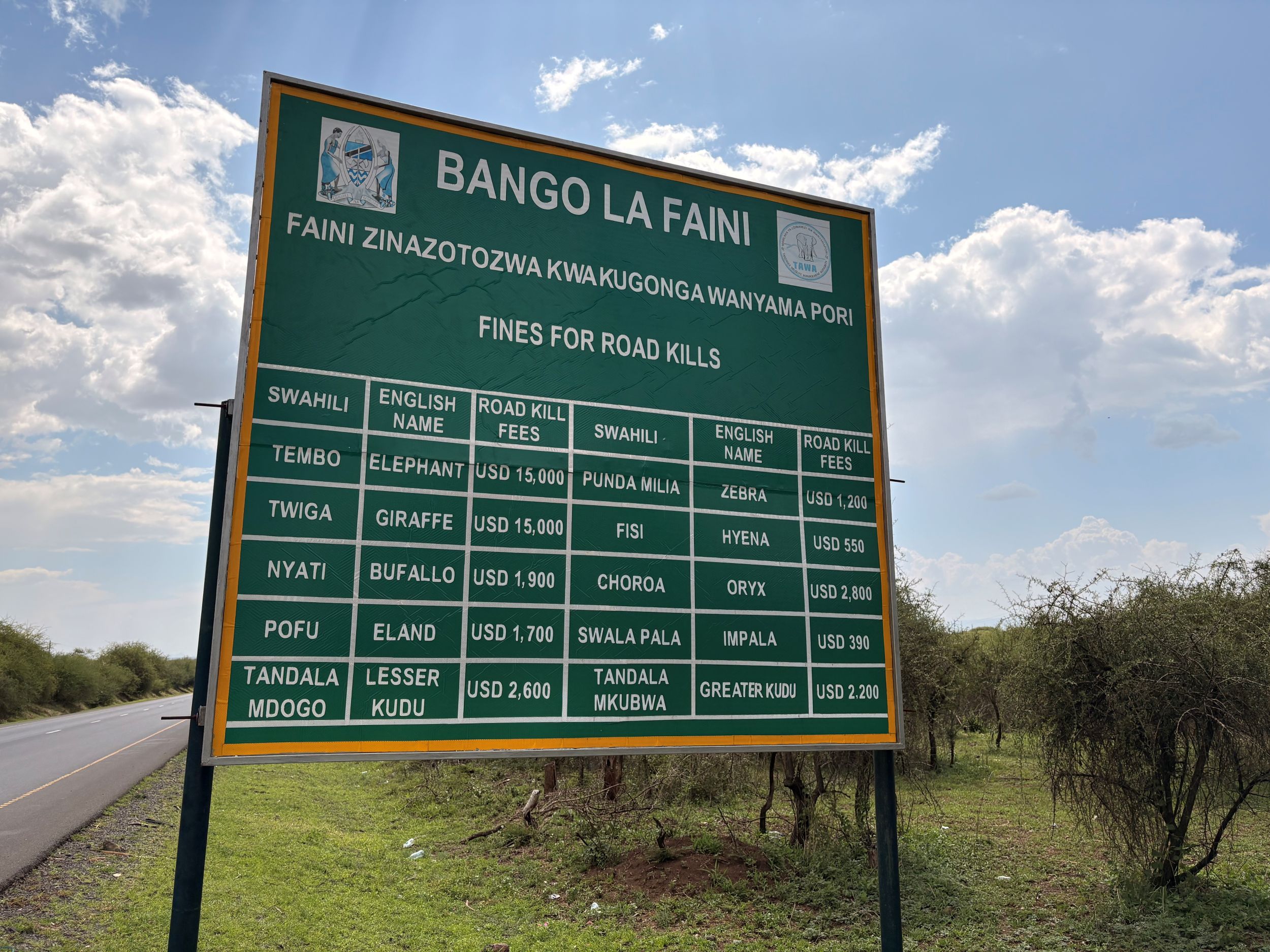
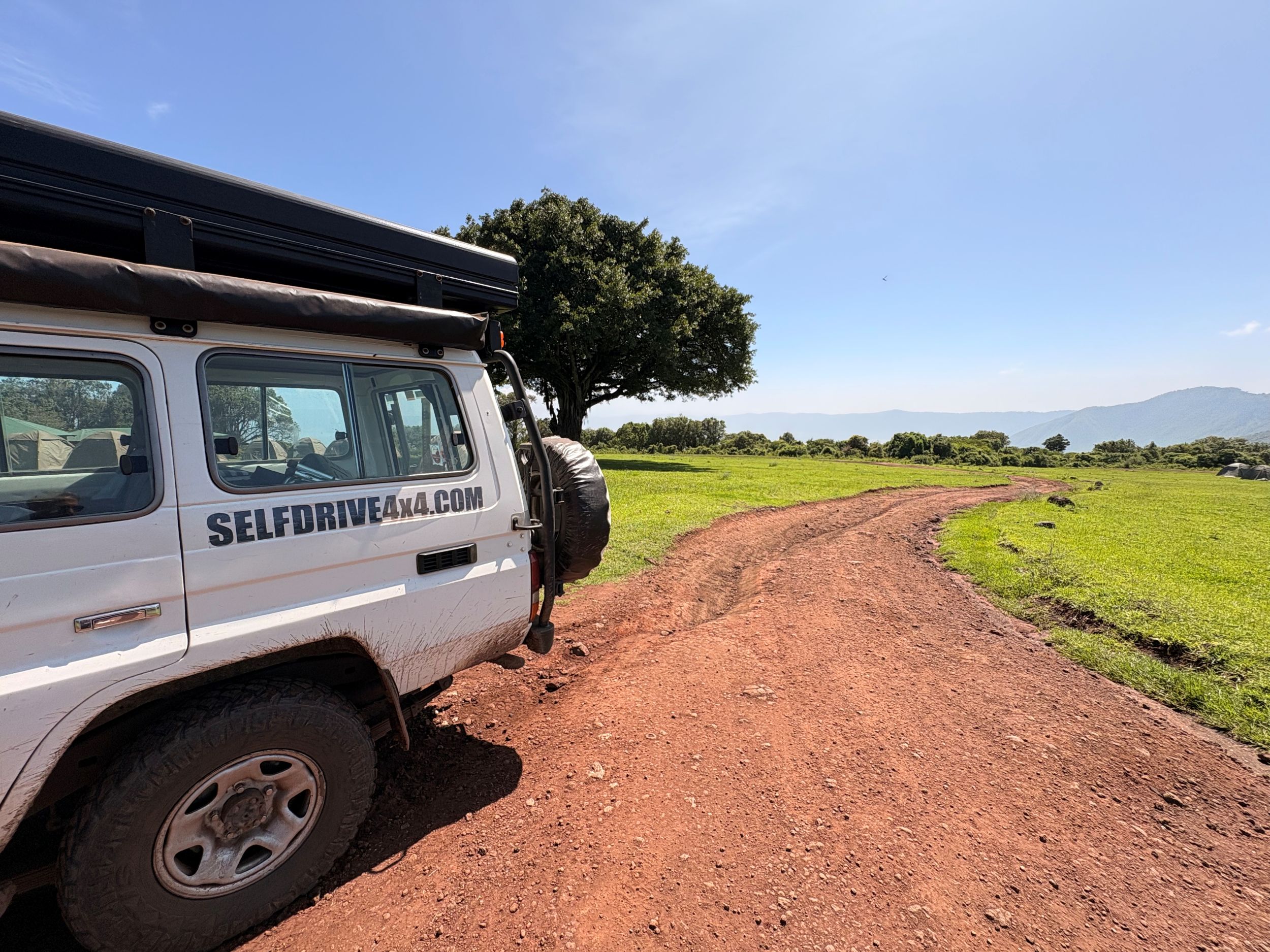
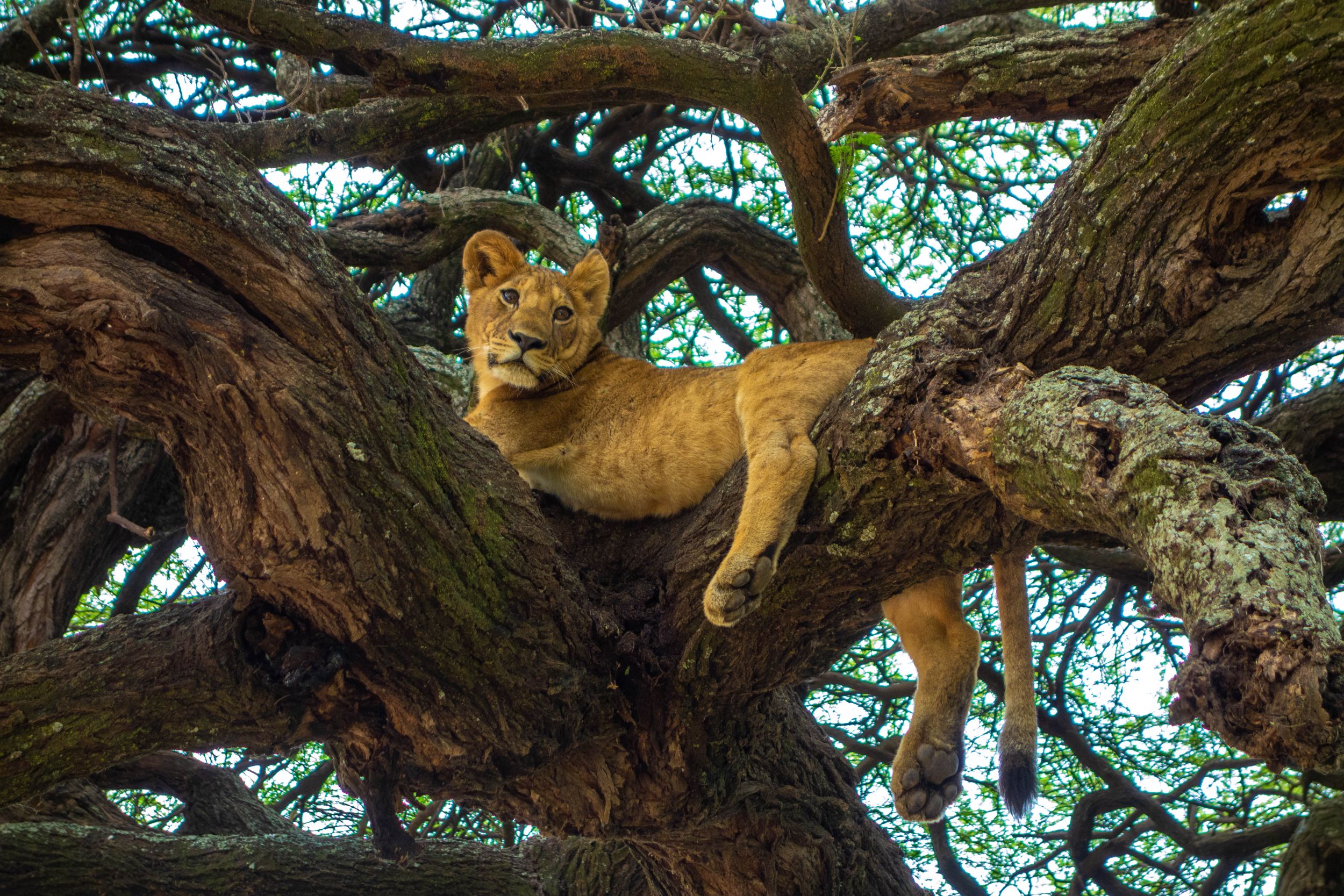
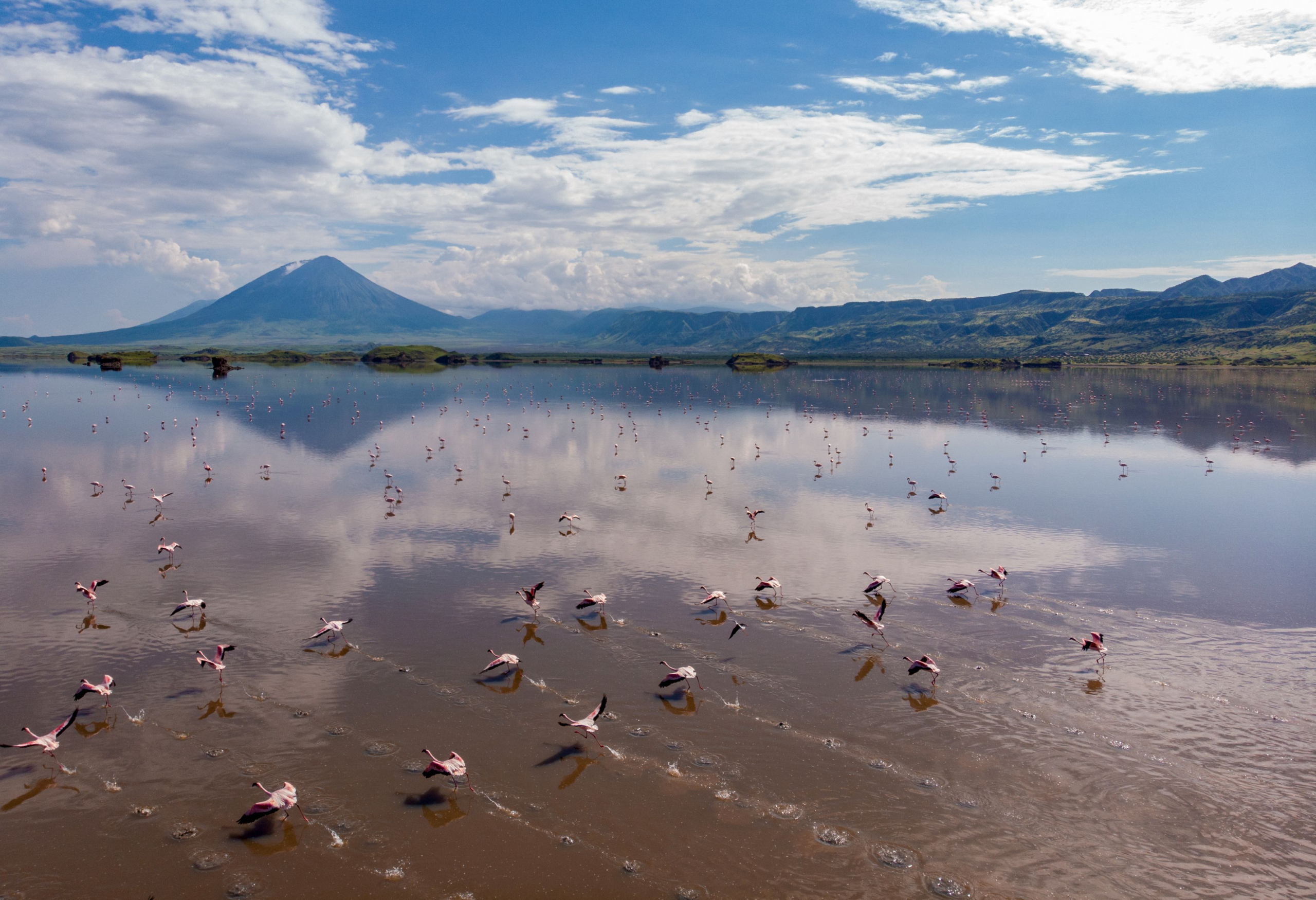
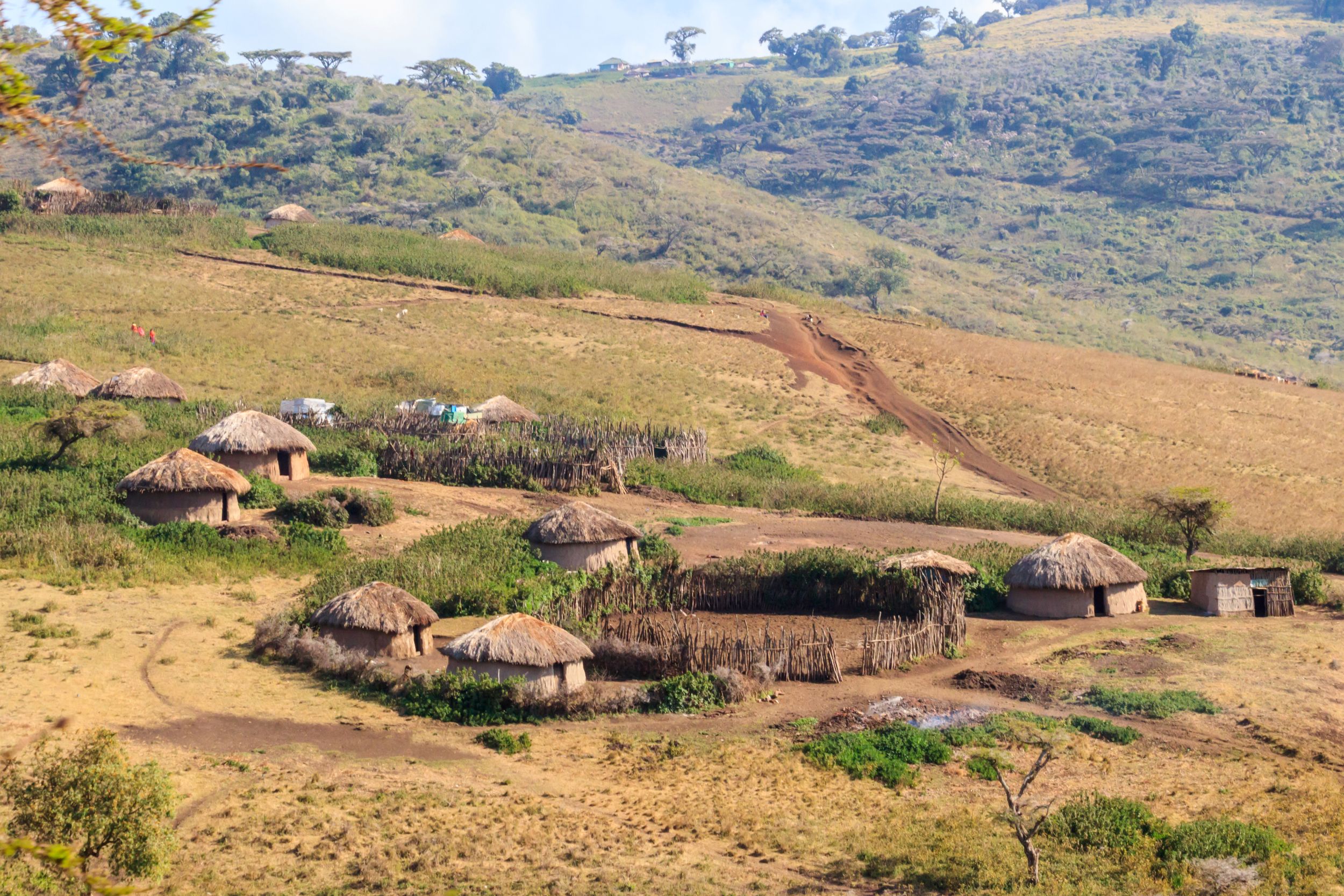
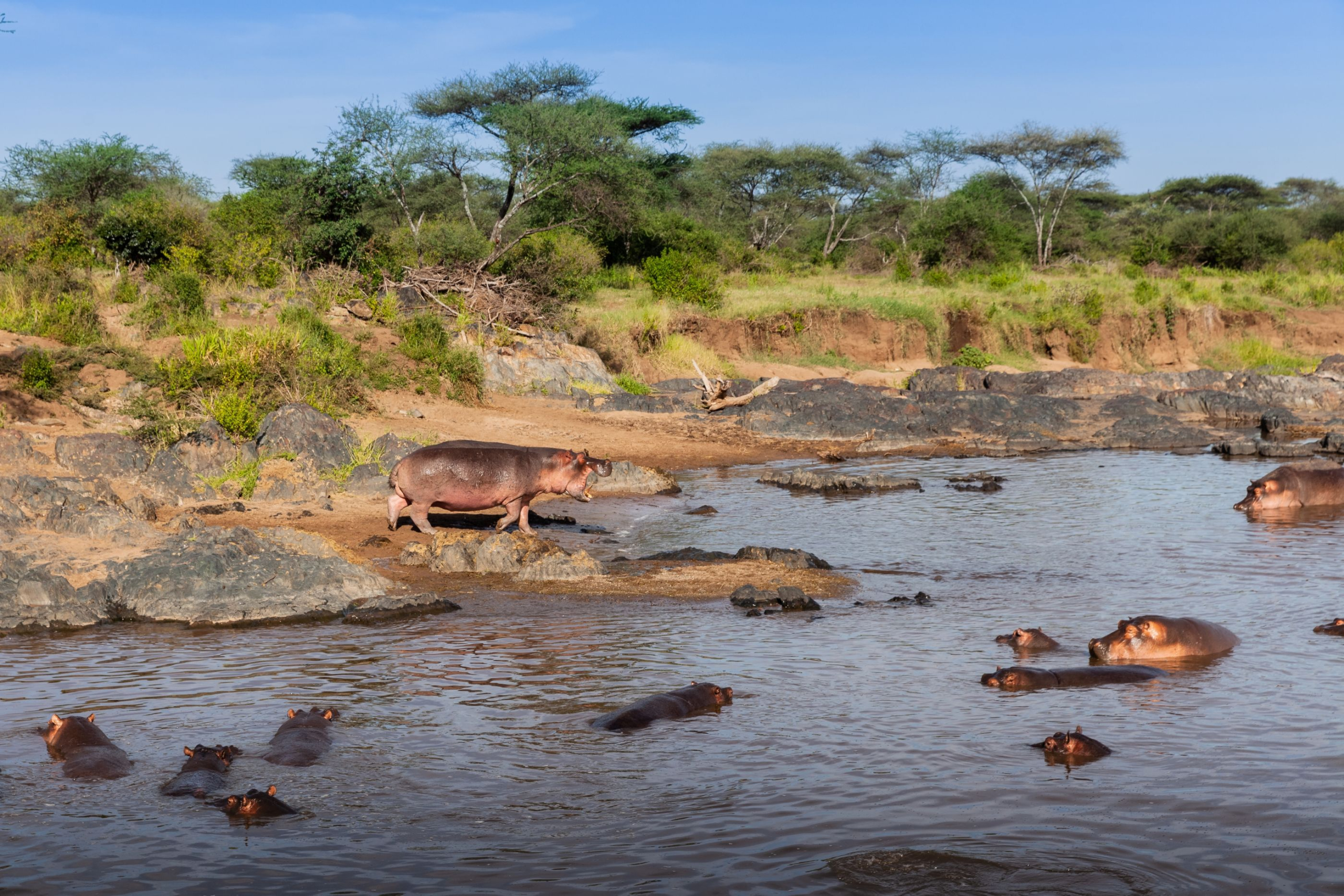
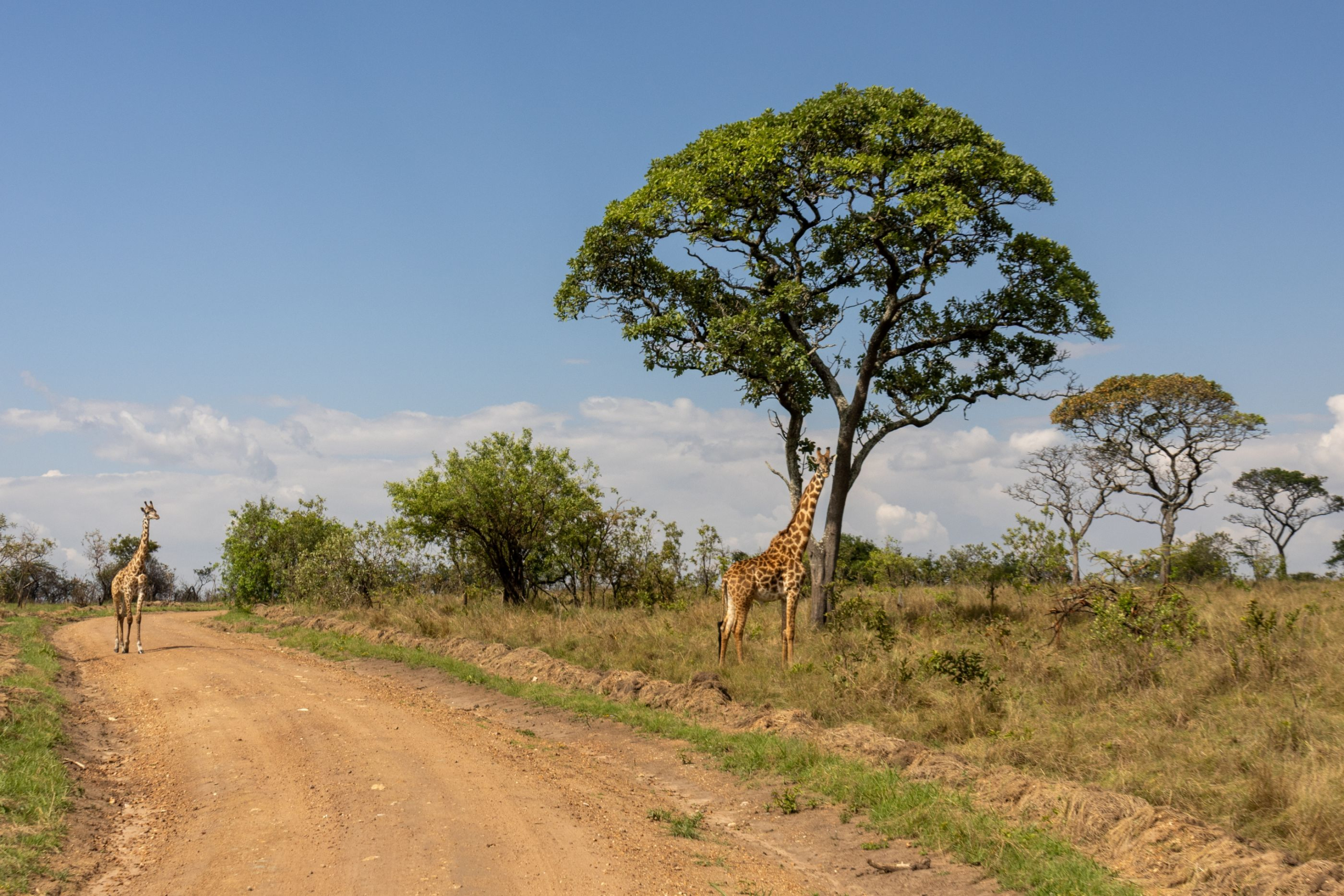
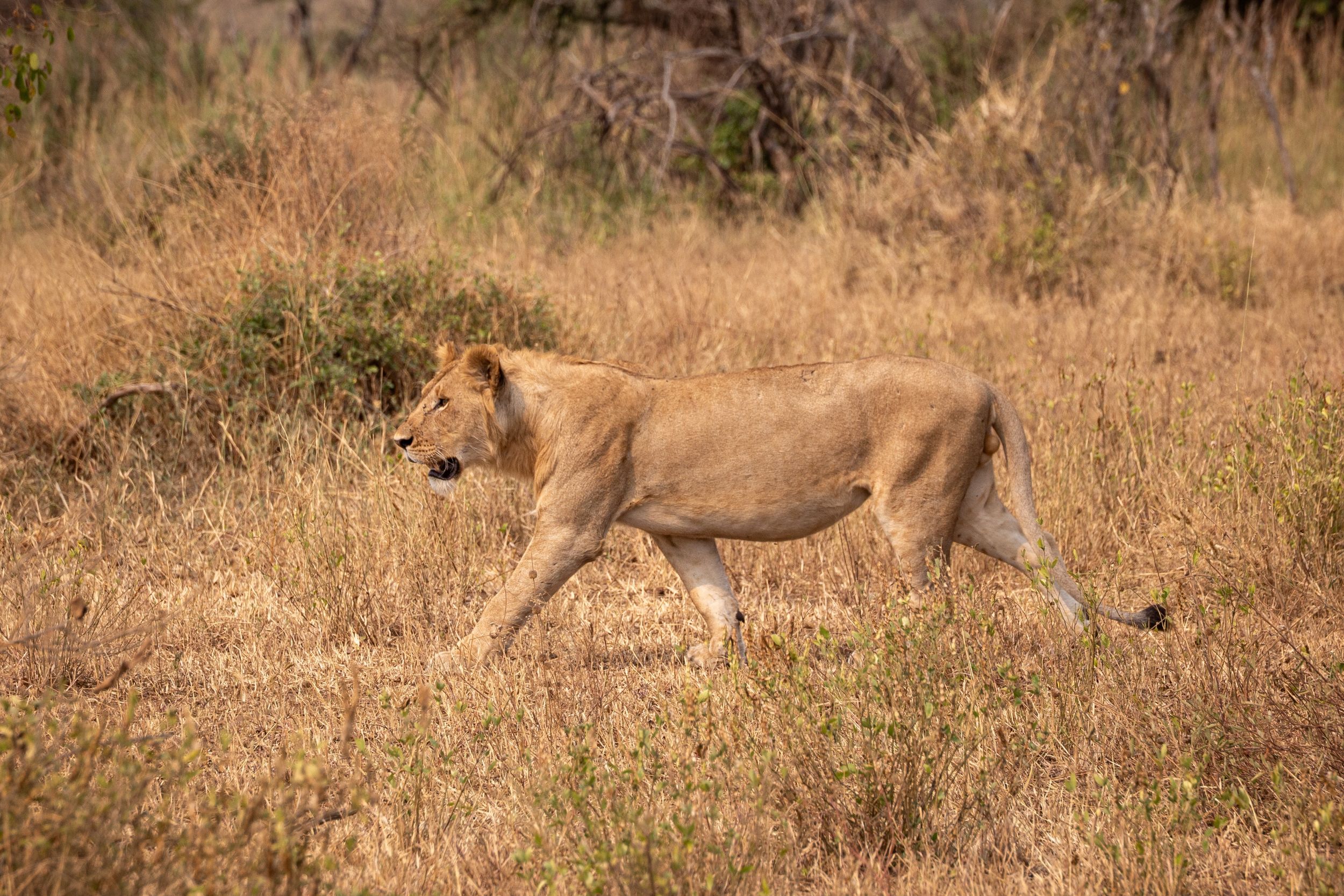
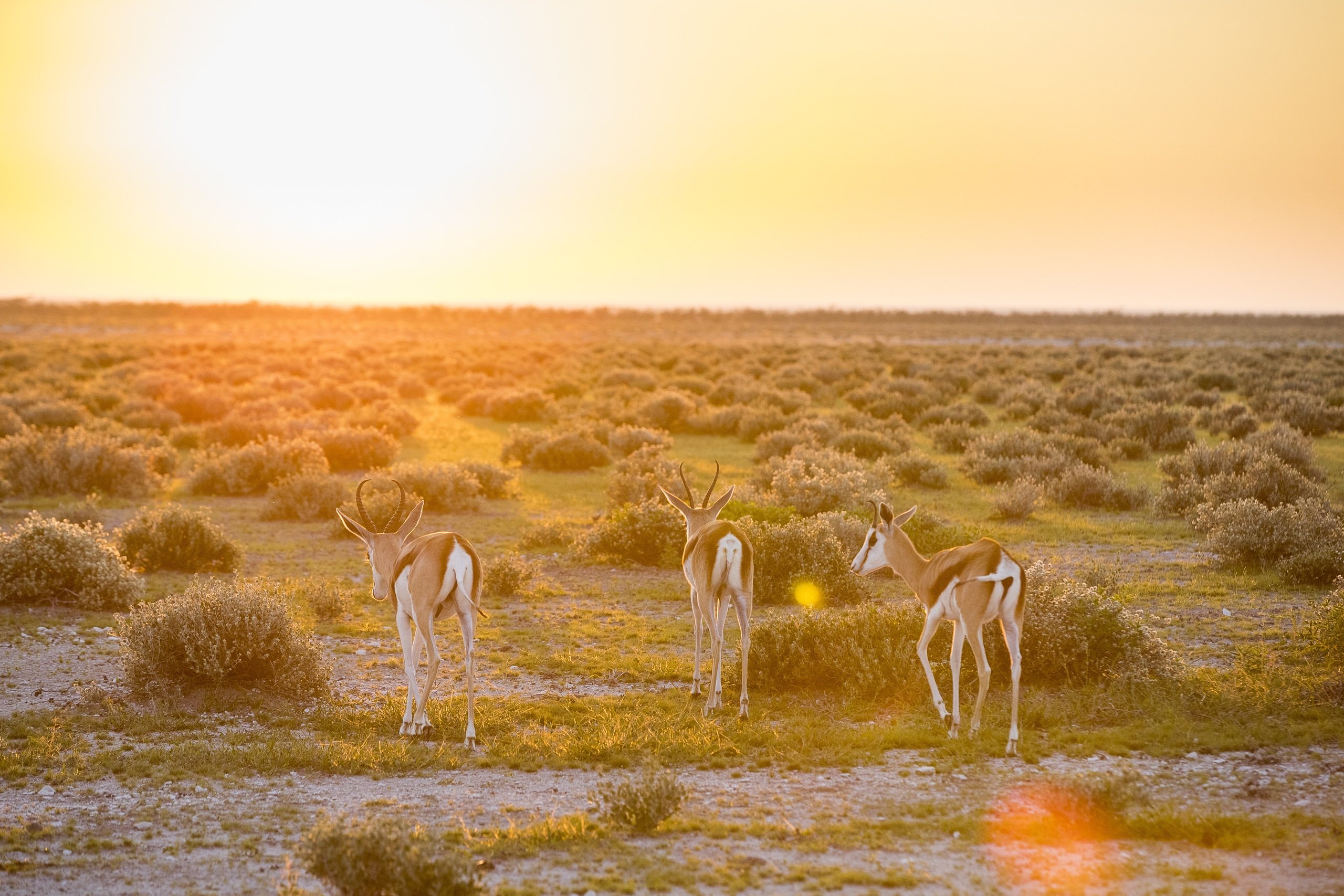
Your story begins the moment you start driving.
Not quite what you’re looking for?
Every self-drive trip is a starting point, not an endpoint. You can adapt an existing trip or create your own with us. We’ll help you shape the route, choose the right 4x4, find places to stay and prepare for the journey, so everything fits the way you want to travel.
Frequently asked questions.
From driving a 4x4 to routes, preparation and sleeping along the way. Here you’ll find answers to the questions that often come up before you set off.
Permits must be arranged in advance for everyone visiting the Ngorongoro Conservation Area.
Entrance fees for the conservation area are included in all our self-drive trips that visit Ngorongoro. The permit for descending to the crater floor is included when specified in your itinerary. Otherwise, you can add the crater descent as an optional part of your journey.
If you're renting a 4x4 without booking a complete trip, or would like to add the crater descent to your itinerary, let us know in advance. We'll arrange the necessary permits so everything is in place for your visit.
Tanzania is a rewarding destination for your first self-drive journey, even if you have little experience driving a 4x4. You'll travel through varied landscapes and wildlife areas, with the freedom to explore at your own pace.
We'll tailor your route to your driving experience and travel plans, taking the roads and conditions you can expect along the way into account.
In our blog Africa for First Timers, you'll find more inspiration, recommended routes and practical advice to help you prepare for your first 4x4 journey.
You can combine Tanzania's Serengeti and Kenya's Masai Mara in a single self-drive journey. The two wildlife areas share a border and form part of a vast landscape through which large herds of wildlife move.
Privately registered Kenyan vehicles are permitted to enter the Serengeti, while privately registered Tanzanian vehicles can enter the Masai Mara. However, higher vehicle entrance fees may apply to vehicles registered in the neighbouring country.
Although the wildlife areas share a border, you cannot drive directly from the Serengeti into the Masai Mara. You'll need to travel via an official border crossing.
We'll help you plan your route and border crossing, and check which access regulations and vehicle fees apply in 2027.
The cost of a safari in Tanzania depends on your route, the length of your journey and the accommodation you choose. National park entrance fees are also an important part of your travel budget.
In 2026, the following approximate fees apply to foreign adults without local residency status:
- Tarangire and Serengeti: approximately US$59 to US$83 per person per day, plus around US$18 per vehicle per day.
- Ngorongoro: US$70.80 per adult and US$295 per vehicle for the descent to the crater floor, plus the regular vehicle entrance fee.
If you're only visiting the viewpoint at Ngorongoro without descending to the crater floor, the crater descent fee doesn't apply.
In addition to park fees, you'll need to budget for your 4x4 rental and accommodation.
We'll help you plan a route that suits your budget and travel plans, giving you a clear overview of the different costs before you set off.
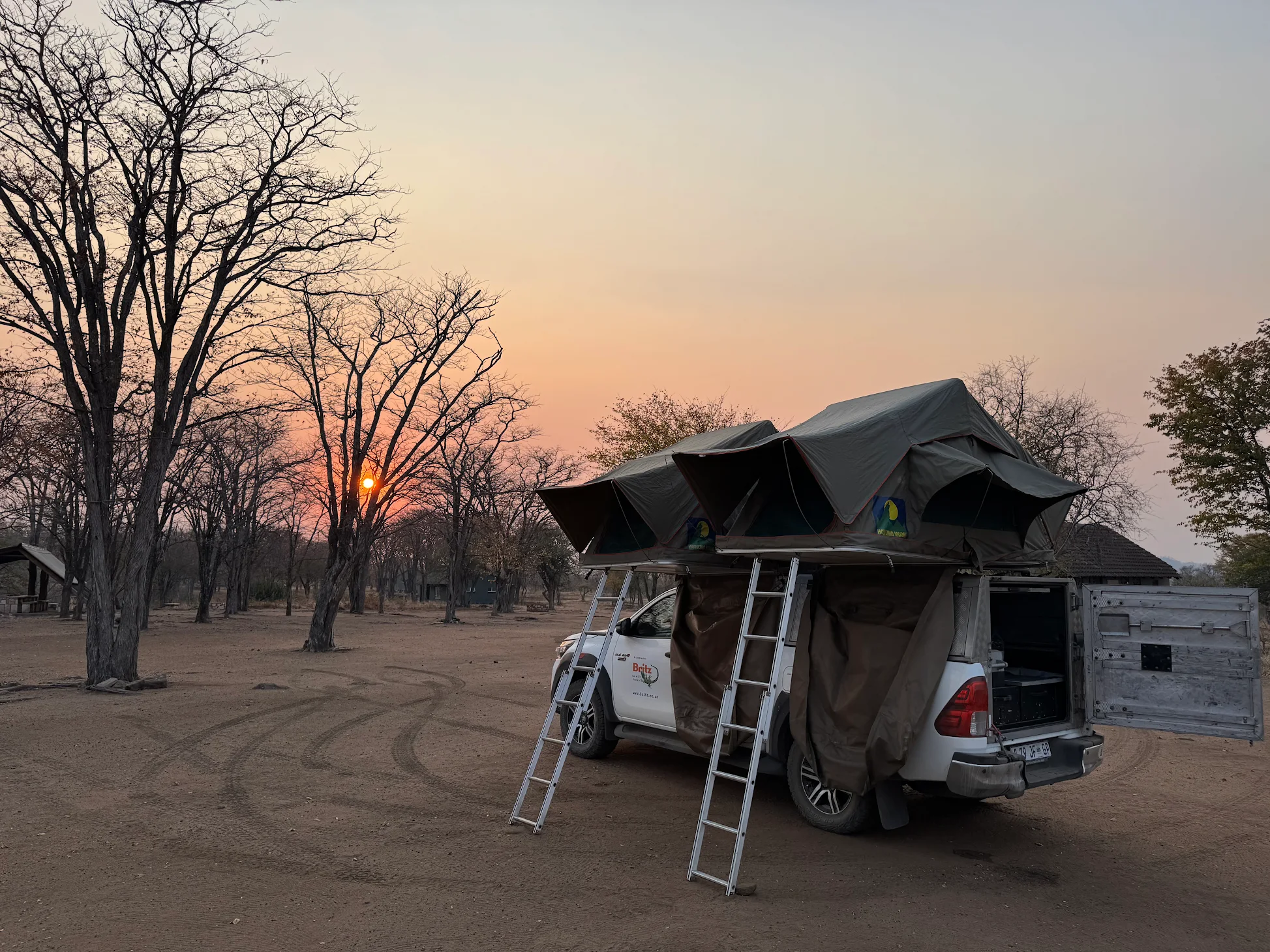
A rooftop tent is a practical way to stay at public campsites in the Serengeti. You'll sleep surrounded by nature, beneath a sky full of stars and with the sounds of the bush around you.
As wildlife may also move through the areas surrounding campsites, it's important to follow the safety guidelines. Always store food and rubbish securely, and never keep food inside your rooftop tent.
Follow the campsite's instructions on how to behave around wildlife. Give animals plenty of space and stay close to your campsite after sunset.
That way, you can experience the Serengeti up close, even after a day behind the wheel.
At TANAPA national parks, you can generally pay your entrance fees at the gate using Visa or Mastercard. Payments are handled electronically, so allow some extra time for the process.
Before travelling, check that your payment card is enabled for use outside Europe and bring a second card as a backup.
Different arrangements apply to Ngorongoro. We'll organise and pay for the required permits in advance, so you won't need to arrange these yourself on arrival.
Before your journey, we'll explain which fees you'll need to pay along the way and which arrangements we've already taken care of. That way, you'll know what to expect at each park entrance.
You can cross the border into Kenya with a 4x4 rented in Tanzania, provided you have permission from the rental company and the required border documents.
Keep in mind that vehicles with Tanzanian registration plates may be subject to higher vehicle fees in certain Kenyan national parks. Entry requirements can also vary between parks.
Discuss your travel plans with us in advance. We'll check the options, rental conditions and regulations for the parks along your route. That way, you'll know what needs to be arranged before crossing the border.
You can explore the Serengeti independently in your own 4x4. Most of our travellers choose to drive without a guide, enjoying the freedom to set their own pace and stop whenever they spot wildlife.
Good preparation makes navigating easier. Download offline maps before your journey and consider using a GPS for additional guidance. That way, you can still find your way when there's no mobile signal.
The roads in the Serengeti can be winding and bumpy. Allow plenty of time for each drive, travel only during daylight hours and always stay on designated tracks.
With a well-planned route and reliable navigation, you can explore the Serengeti independently, taking your time to observe the wildlife and landscapes along the way.
With a suitable 4x4 and the required permits, you can drive down into the Ngorongoro Crater yourself. From the crater rim, you'll descend into a vast landscape that's home to lions, elephants and, with some luck, the rare black rhino.
A separate permit is required for the crater descent and must be arranged in advance. We'll take care of the entrance arrangements and necessary permits, and check whether a local guide is required.
That way, you'll know what's needed before your visit and can include the Ngorongoro Crater in your self-drive journey through Tanzania.
In Tanzania, you can drive your own 4x4 between lodges and explore the national parks independently. A guide isn't mandatory for game drives, but you can choose to explore with a local guide whenever you prefer.
Several of our accommodation partners offer guided game drives. This allows you to enjoy the freedom of travelling in your own 4x4 while benefiting from a local guide's knowledge and experience during your safari.
We'll help you choose lodges that offer this option and plan your route and overnight stays accordingly. That way, you can combine independent driving with guided safaris in a way that suits you.
You can explore the Serengeti independently in your own 4x4. A driver-guide is not mandatory. Many of our travellers enjoy being behind the wheel themselves, setting their own pace and taking time to observe wildlife along the way.
If you'd like to benefit from local knowledge, we can arrange a guide to join you in your rental 4x4. They'll help you spot wildlife, share their knowledge of the area and explain more about the animals you encounter.
Some of our selected lodges in the Serengeti also offer guided game drives in shared safari vehicles. This allows you to combine the freedom of self-driving with the experience of exploring alongside a local guide.
We'll help you decide which option suits your journey and can include lodges offering guided game drives in your itinerary.
It's wise to arrange your accommodation in Tanzania well before your journey. During the high season, popular lodges, tented camps and distinctive campsites can fill up quickly.
For sought-after accommodation, we recommend booking around six months in advance. This gives you more choice and allows us to plan your overnight stops around your self-drive route.
At public TANAPA campsites, you generally pay on arrival, subject to availability. For Ngorongoro, we'll arrange the required permits and campsite bookings in advance.
Planning to travel at short notice? Our travel specialists can check which accommodation is still available and help you choose a route that fits.
Our 10-day Northern Circuit and Maasai Culture journey is a rewarding introduction to Tanzania. Starting in Arusha, you'll travel through three well-known safari areas: Tarangire, the Serengeti and Ngorongoro.
The landscape changes throughout the journey. In Tarangire, you'll drive among baobab trees. In the Serengeti, wide-open savannahs stretch towards the horizon, while Ngorongoro offers the opportunity to descend to the crater floor and observe wildlife. Along the way, you'll also have the chance to meet the Maasai and learn about their culture.
We'll prepare you for the roads you'll encounter and arrange the required Ngorongoro permits in advance. That leaves you free to focus on the drive, the wildlife and the experiences along the way.
If you'd like to end your journey with a few days by the sea, you can combine this route with our Zanzibar extension.
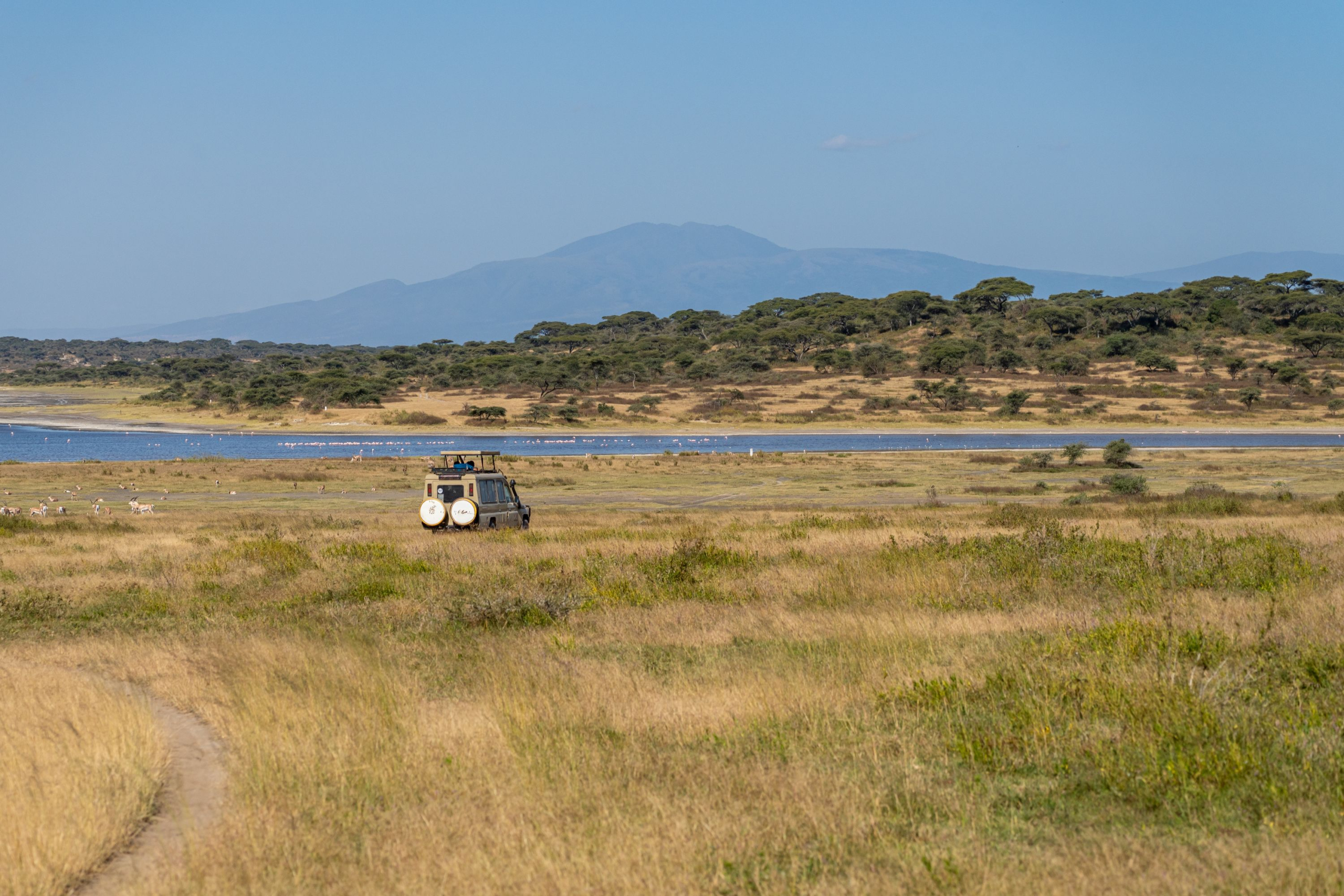
In Tanzania, you can go on safari independently in your own 4x4. In national parks such as Tarangire, Lake Manyara and the Serengeti, you'll follow designated safari tracks, with plenty of time to observe wildlife along the way.
You set your own pace. You might see elephants beside the road, giraffes among the trees or herds of zebras crossing the open plains. You can stop and take your time watching what unfolds around you.
You don't necessarily need a guide to spot wildlife in these parks. Animals are abundant, and even without a guide, you have plenty of opportunities for memorable wildlife encounters.
We'll help you plan your route and prepare for driving in the parks. That way, you can explore Tanzania independently, with time to appreciate everything you encounter along the way.
We recommend a 4x4 for a self-drive journey through Tanzania, particularly if you're planning to explore national parks and remote areas such as Lake Natron.
Away from the main roads, you'll regularly encounter unpaved tracks. Rocky roads, deep ruts and muddy sections after rain require a vehicle with sufficient ground clearance and traction. A suitable 4x4 helps you handle these changing conditions.
For a visit to the Ngorongoro Crater, a 4x4 is mandatory. Two-wheel-drive vehicles are not permitted to descend to the crater floor.
We'll help you choose a 4x4 and plan a route that suits the areas you'd like to visit and the driving conditions you can expect along the way.
Let op: De hieronder genoemde tarieven zijn indicatief voor 2026. De Tanzaniaanse overheid kan prijzen zonder veel voorafgaande aankondiging aanpassen.
1) Ngorongoro Conservation Area (NCAA)
Entree / Permit (per persoon per 24 u)
- Volwassene (16+): US$ 70.80
- Kinderen (5–15): US$ 23.60
- <5 jaar: gratis
Voertuig permit
- Toyota Land Cruiser: US$ ±17
Crater Service Fee (afdaling crater)
- US$ 295 per voertuig per trip
Camping fees (per persoon per nacht)
- Public campsite: US$ 35.40
- Special campsite: US$ 70.80
2) Serengeti, Nyerere National Park / Selous
Entree / Conservation fee (per persoon per 24 uur)
- Hoog seizoen: ± US$ 82.60
Voertuig entry fee (per dag)
- US$ ±17
Camping fees (per persoon per nacht)
- Public campsite (basis): US$ 35.40
- Special / Seasonal campsite: US$ 59 – US$ 70.80
3) Arusha NP, Tarangire and Lake Manyara
Entree / Conservation fee (per persoon per dag)
- Hoog seizoen: ± US$ 59.00
(kan variëren per seizoen)
Voertuig entry fee (per dag)
- US$ ±17
Camping fees (per persoon per nacht)
- Public campsite: US$ 35.40
- Special campsite: US$ 59 – US$ 70.80
4) Lake Natron (WMA / lokaal tarief)
Entree / Wildlife fee (per persoon)
- US$ 11,80
Local community fees (per persoon)
- USD 35
Voertuig entry fee
- US$ ±17
Overnight fee (per persoon per nacht)
- US$ 23,60 – 17,70 voor camping resp. lodge
Activiteitentoeslag (per persoon)
- US$20 voor een rondleiding langs de oevers van Lake Natron en een dagwandeling in de Engaresero watervallen.