
Namibia 19 days - Namib Desert, Etosha National Park and Himba
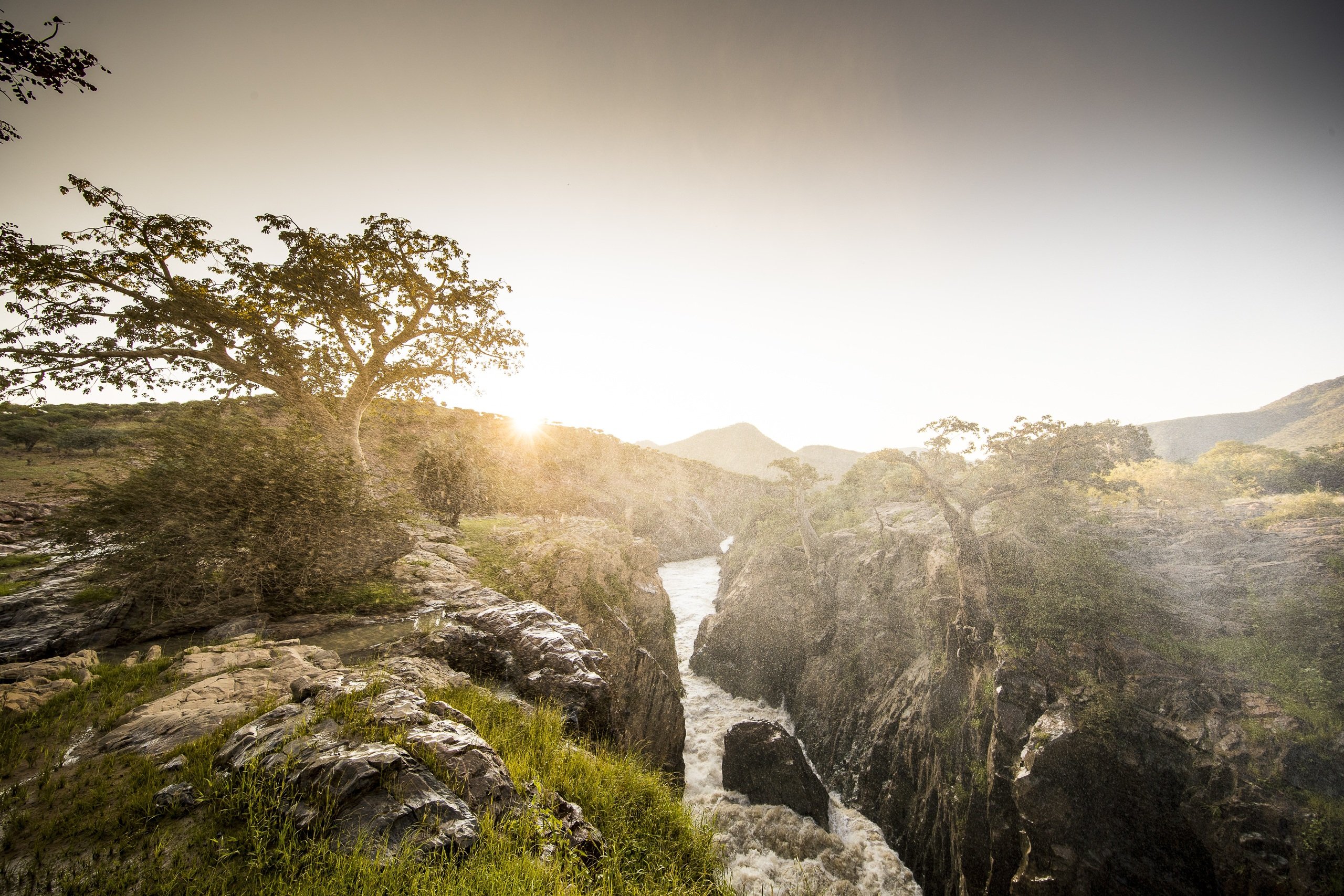
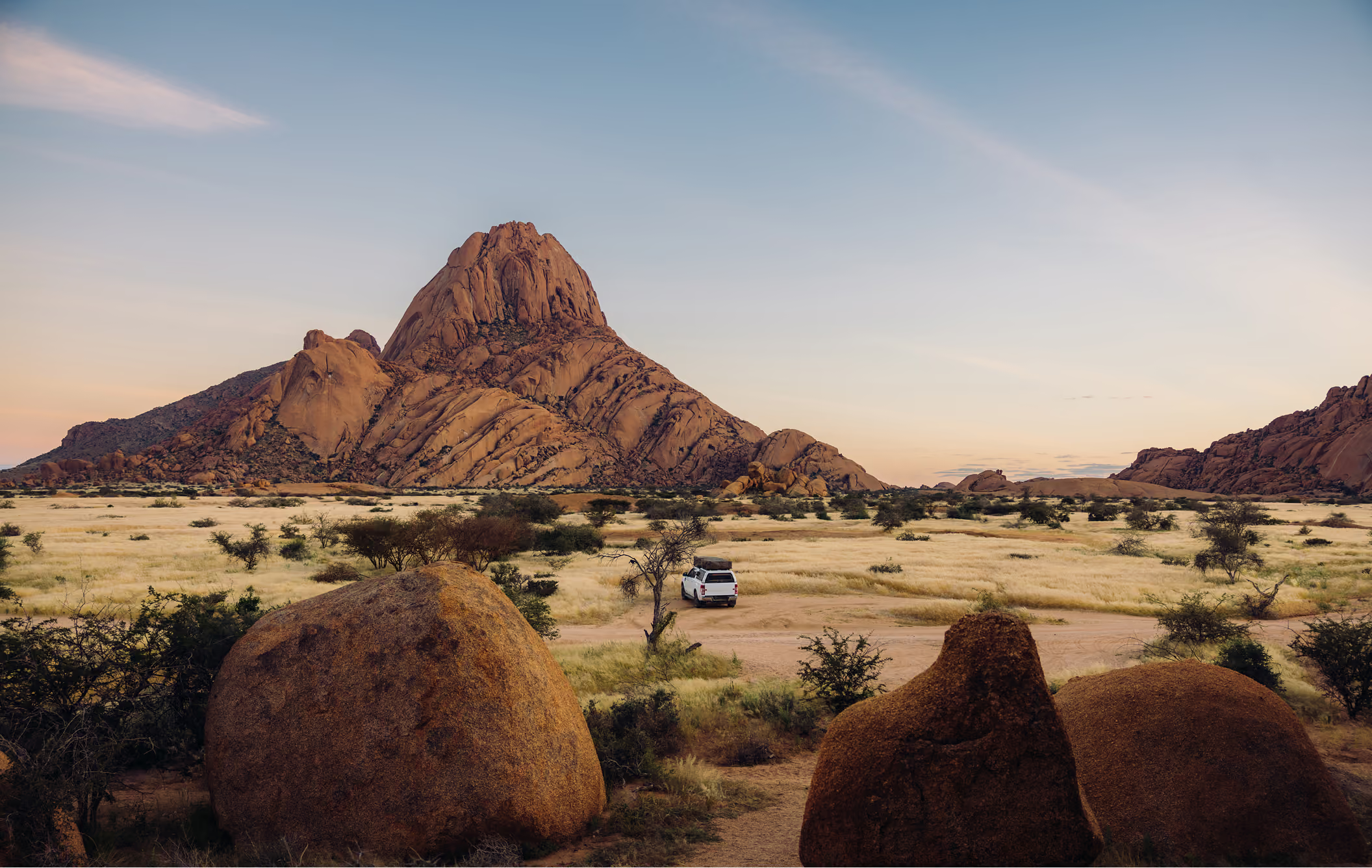
The opening days leave time for Namib Naukluft and Sossusvlei. Swakopmund then brings a B&B night on the coast before the route turns inland through Spitzkoppe and Damaraland.From Khowarib and Opuwo, Kaokoland becomes a defining part of the journey. Epupa Falls and the Kunene River form the northernmost section.Etosha adds three long safari days. Waterberg Plateau then slows the pace for walking before Okonjima closes the route back towards Windhoek.
Not quite the trip you’re looking for? This trip can be fully tailored to your preferences.
Everything mapped out. The route remains yours.
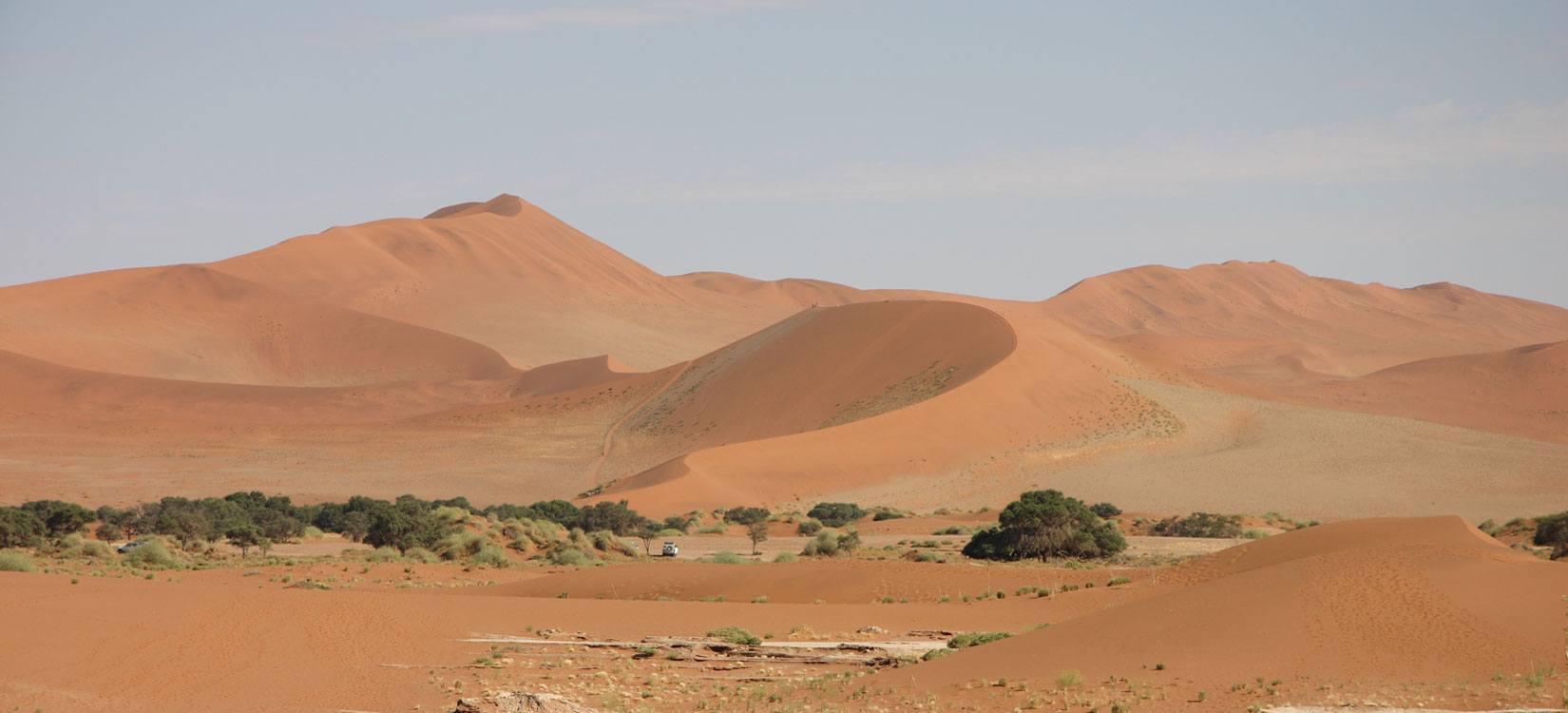
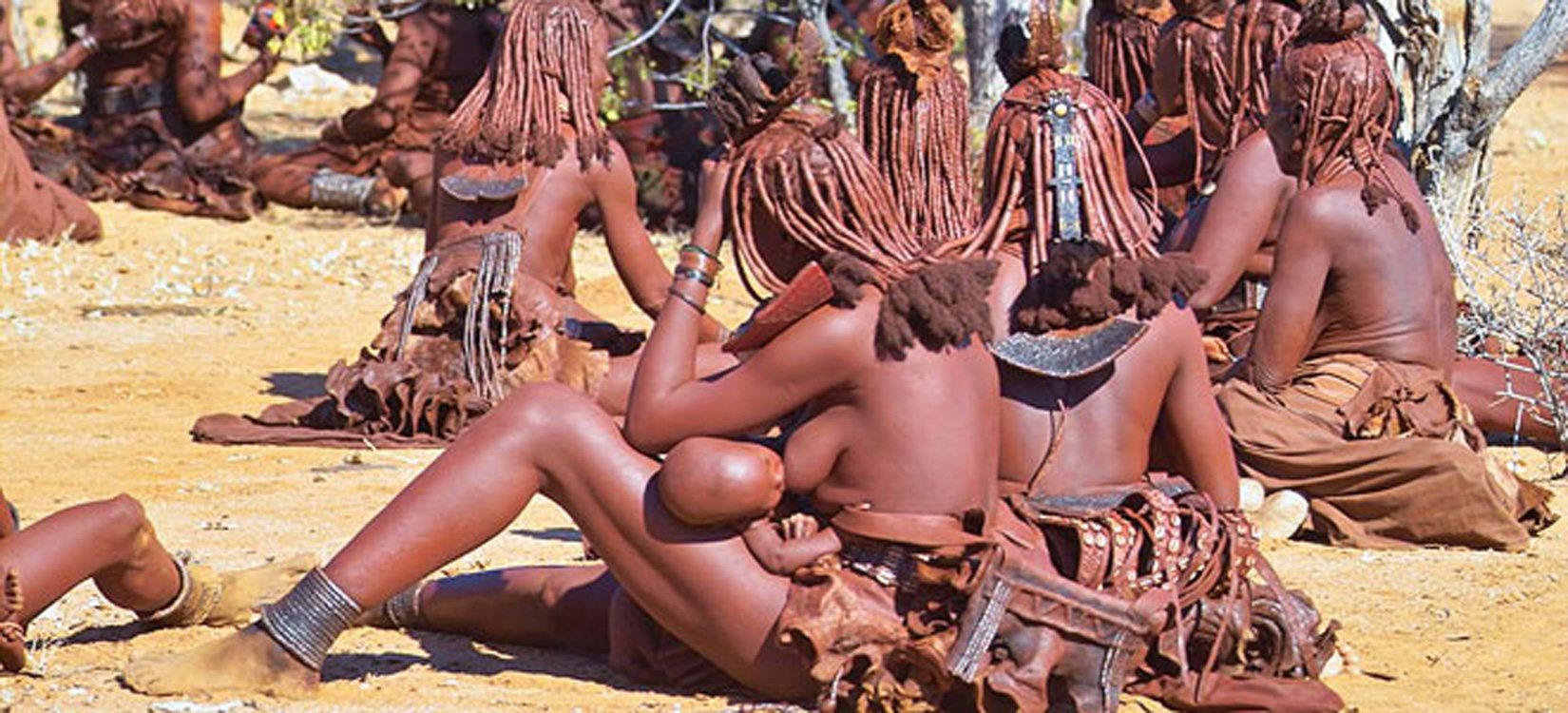
This complete 4x4 journey starts and finishes in Windhoek, bringing together the main landscapes of Namibia without compressing them into a rushed route. The Namib Desert and the dunes around Sesriem come first, followed by Swakopmund, Spitzkoppe and Damaraland. Farther north, the road runs into Kaokoland through Khowarib and Opuwo towards Epupa Falls and the Kunene River. Himba and Herero communities may appear along the way. Three nights in Etosha National Park follow, then two days at Waterberg Plateau. Okonjima is the final stop before the return to Windhoek.
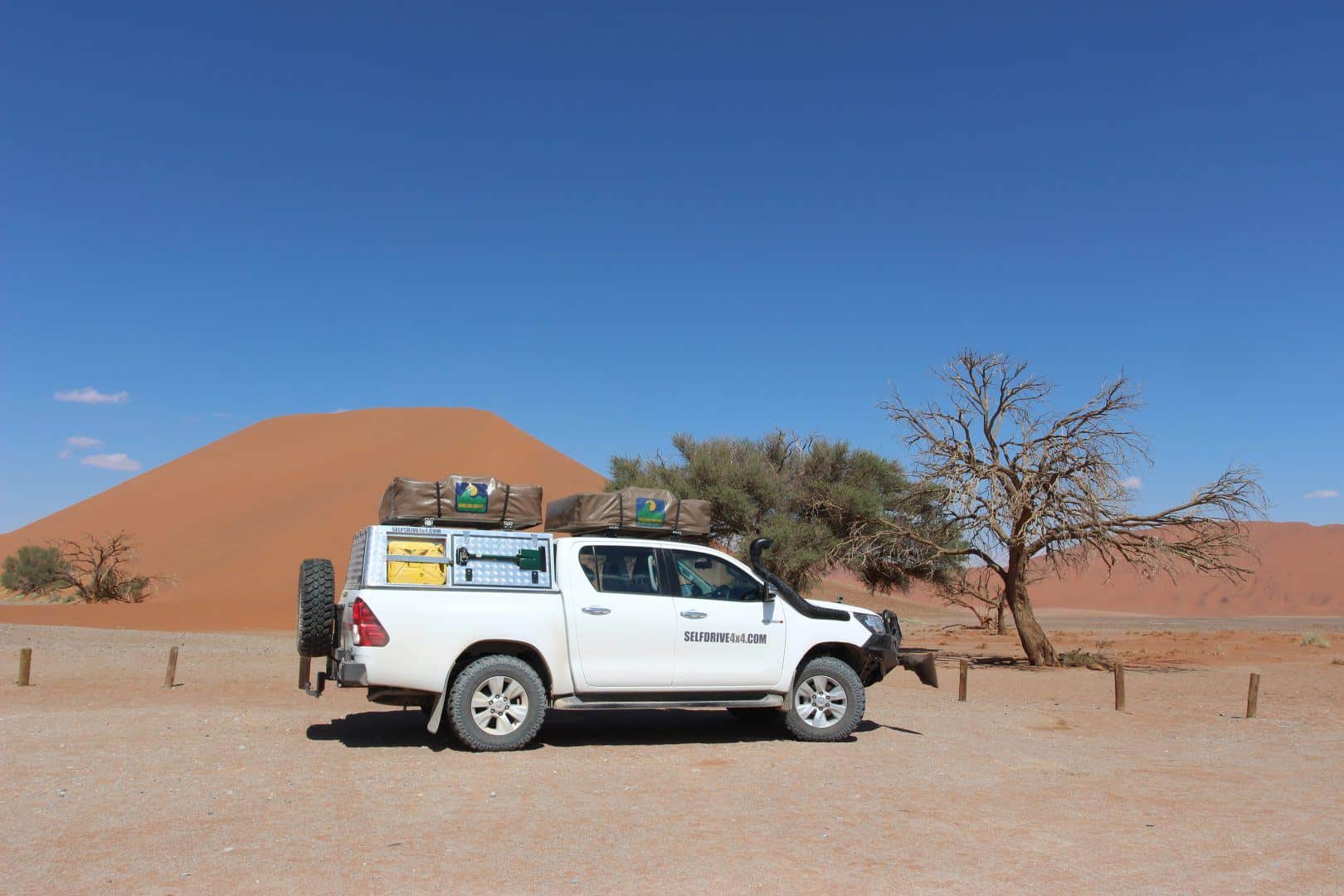
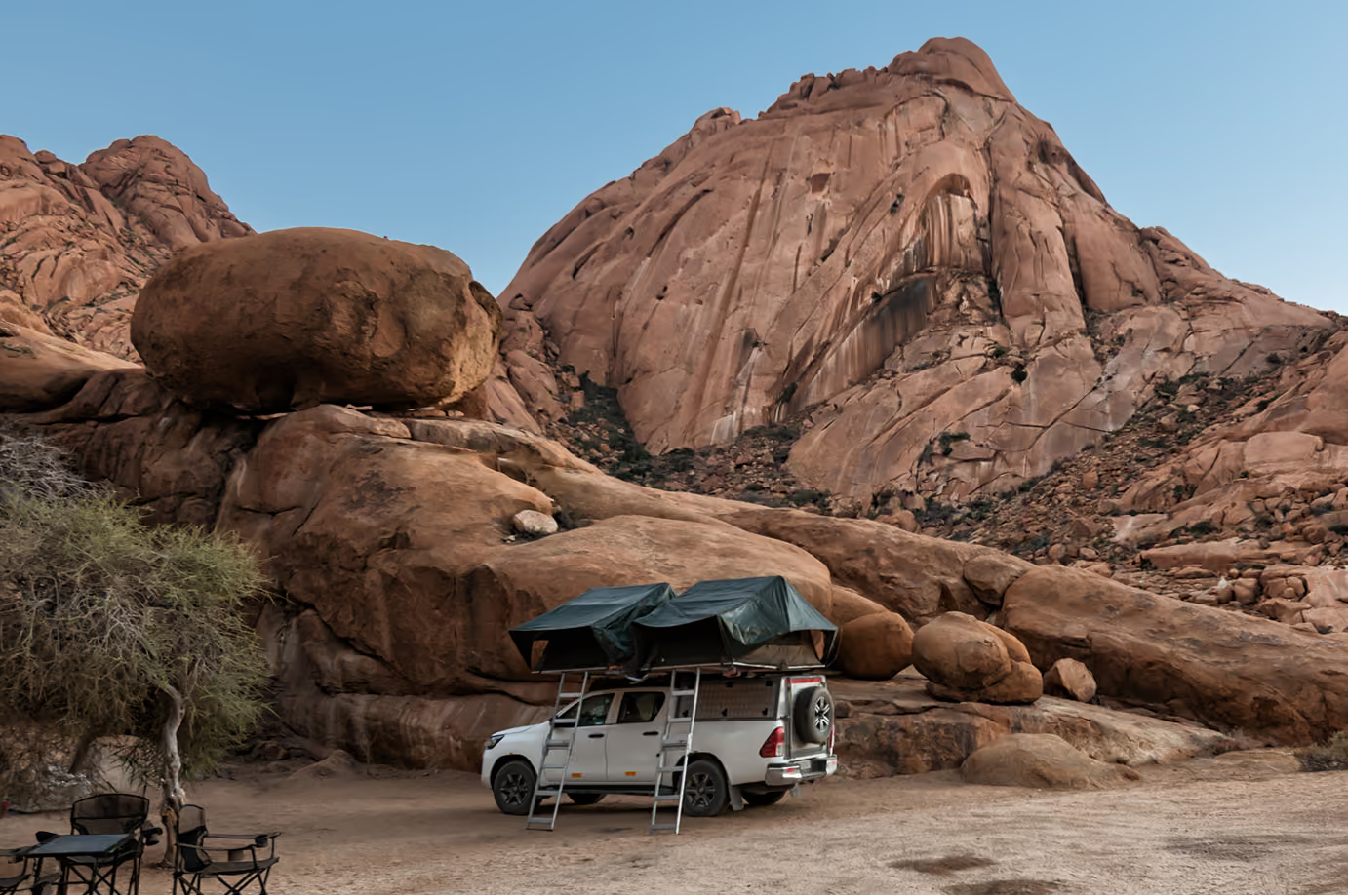
Campsites in popular national parks such as Etosha are reserved in advance. Camping alternates with B&Bs and lodges, which are also booked beforehand. Vehicle hire and park reservations are included according to the source. The route is available for 2 to 4 travellers per vehicle, with pricing for 5 or more on request.
This route is a starting point, not a fixed script.
All self drive journeys can be adapted. Stay longer somewhere or add another destination. For a shorter route with Himba and Kaokoland, choose a 14-day itinerary. For more challenging 4x4 driving in Kaokoland and Damaraland, opt for the 17-day trail.
Everything that makes this trip unforgettable.
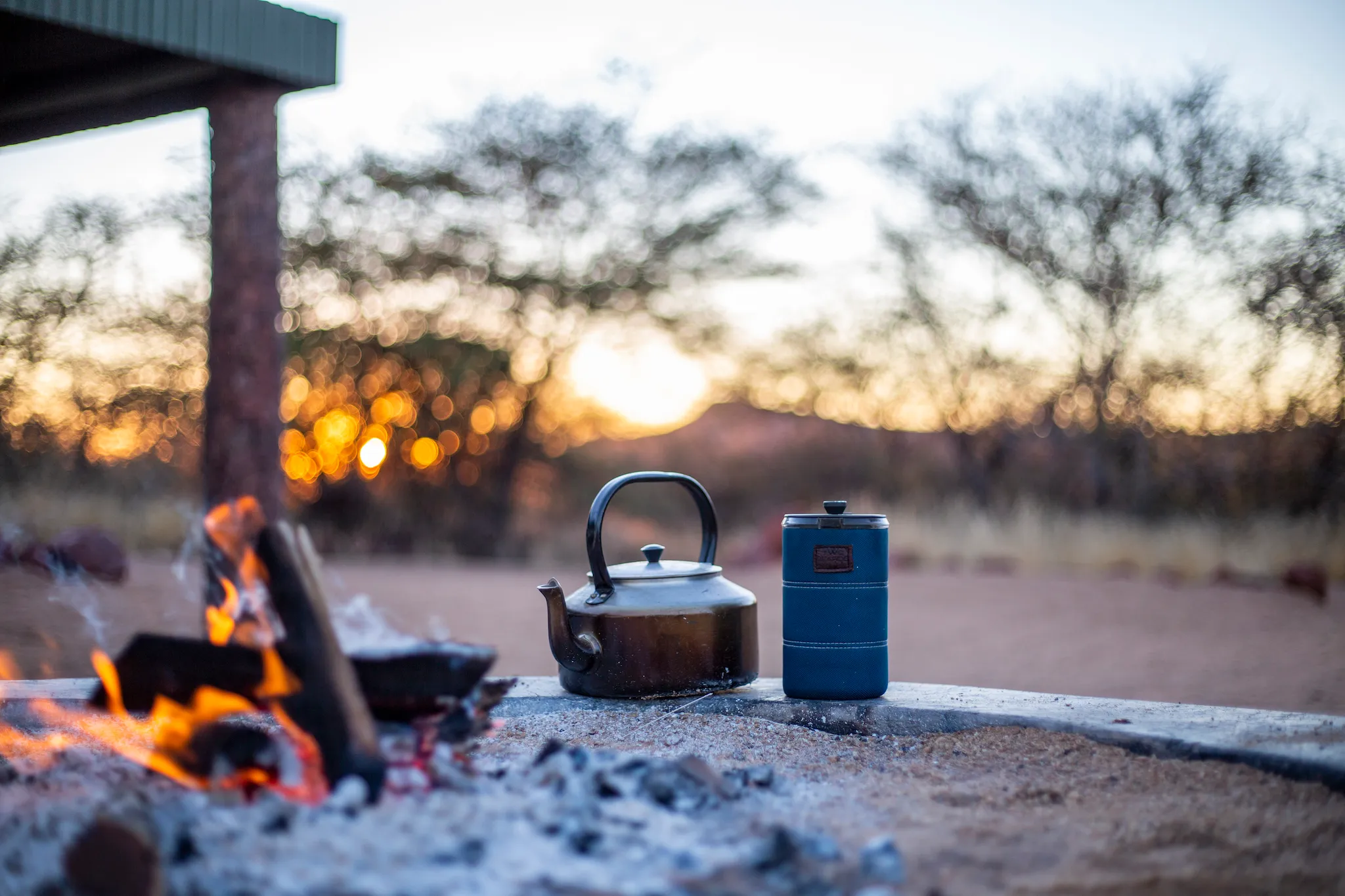
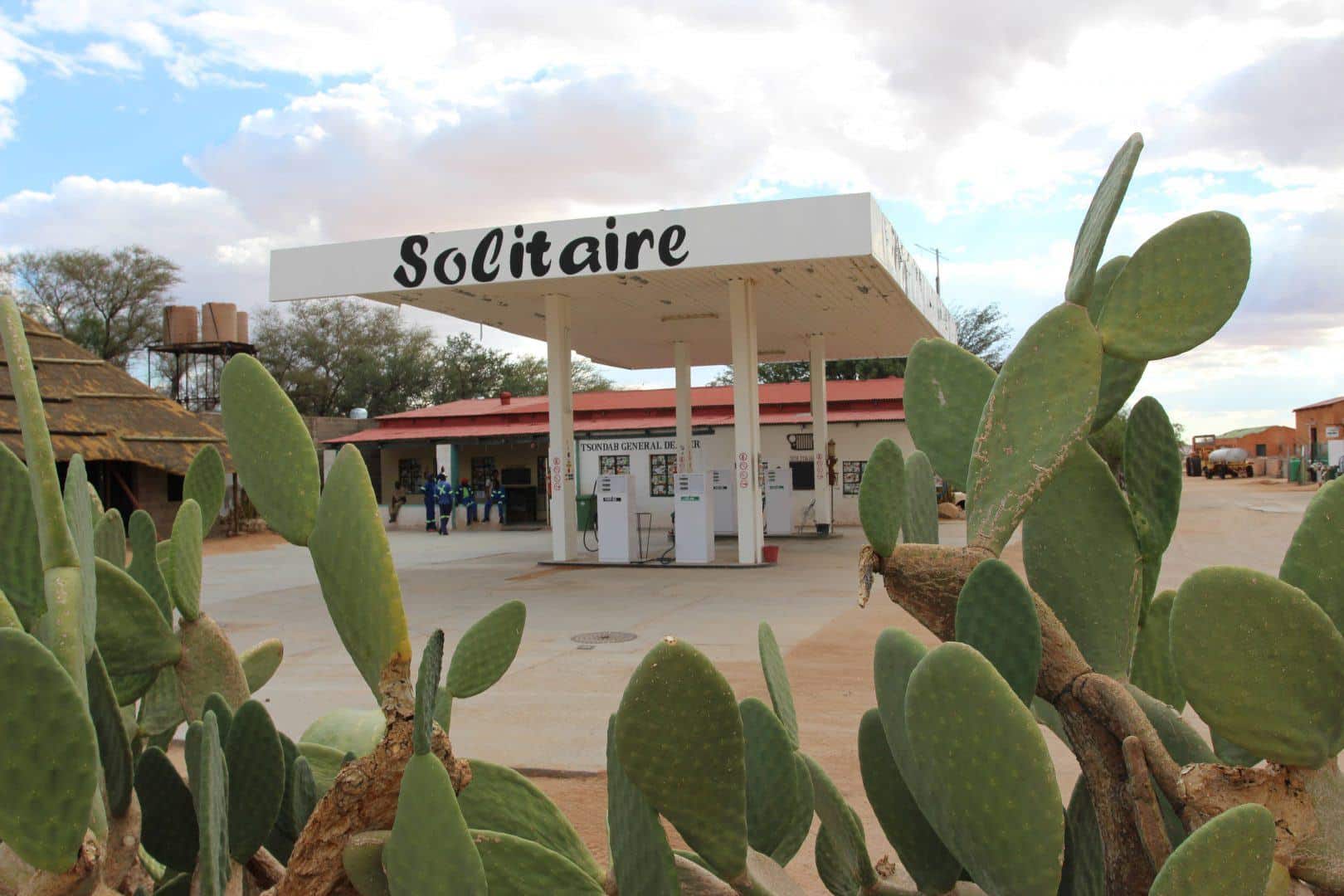
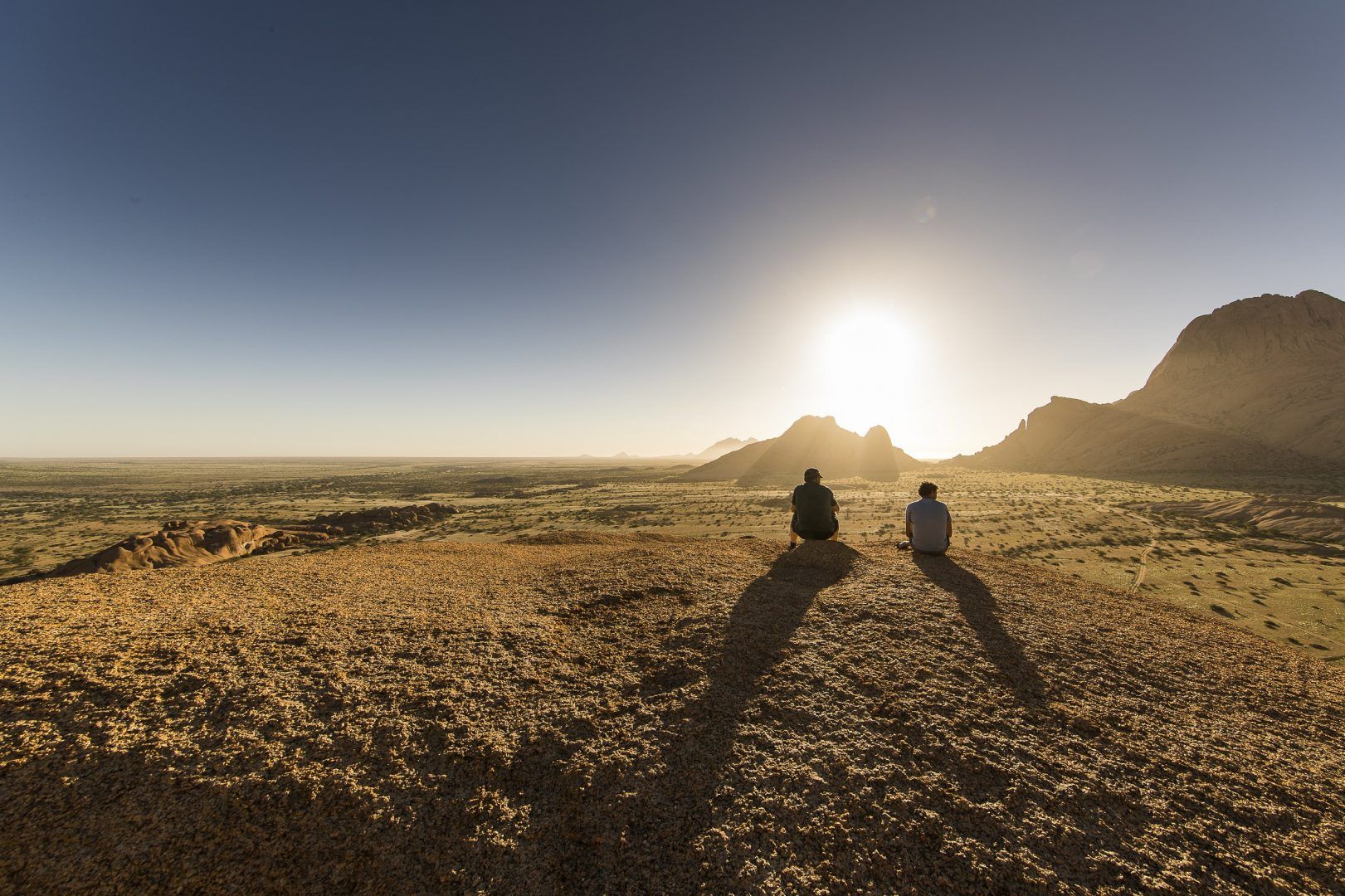
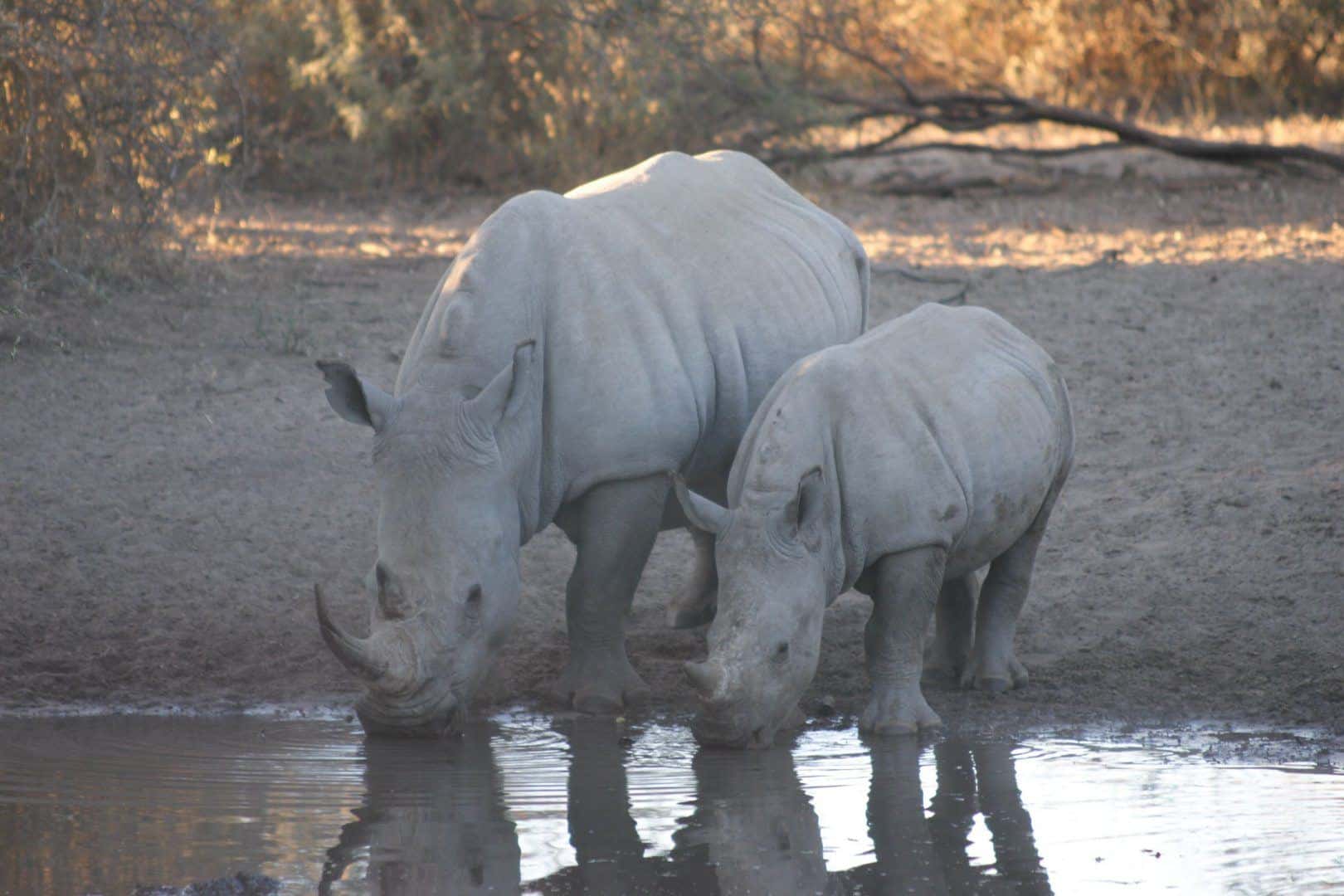
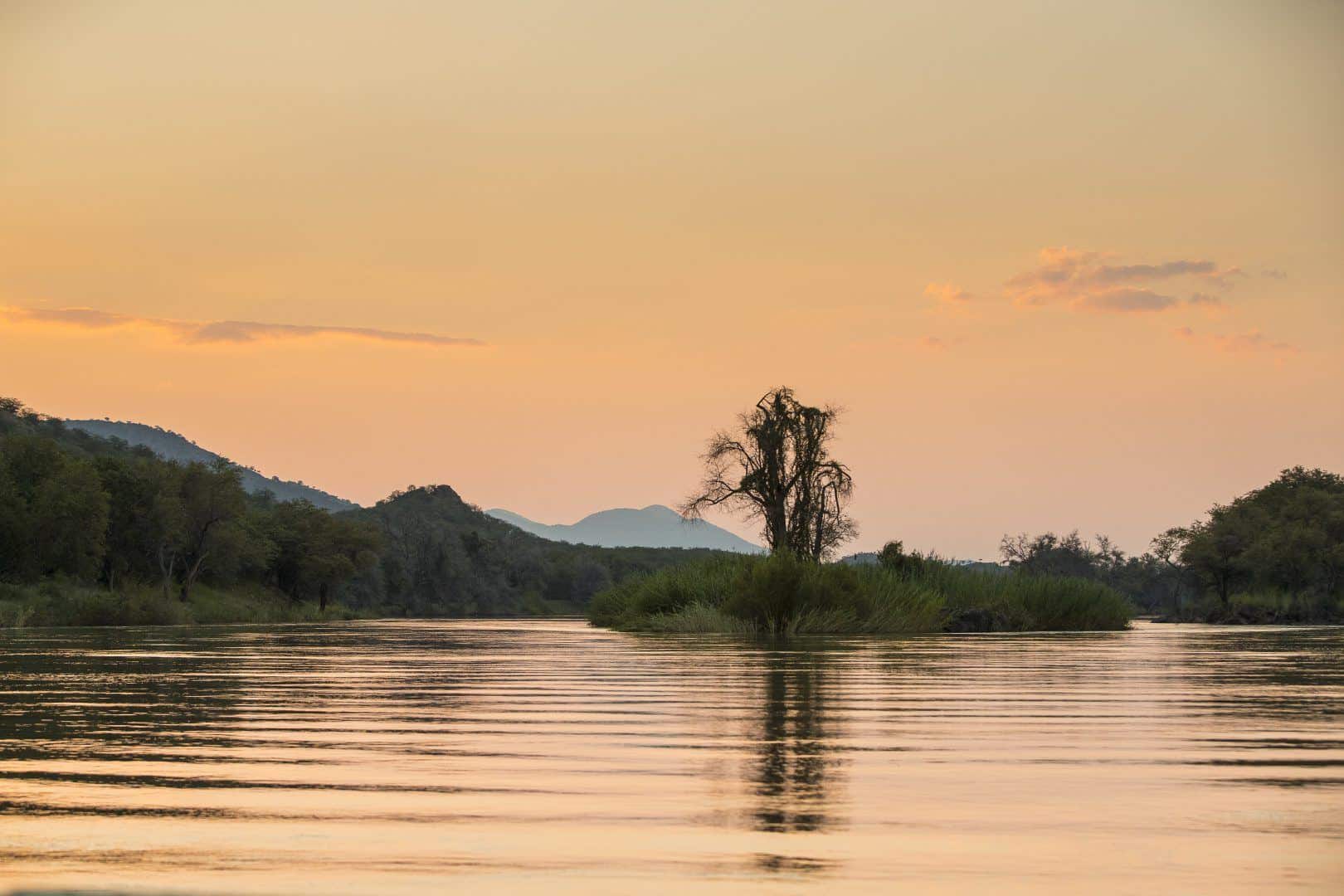
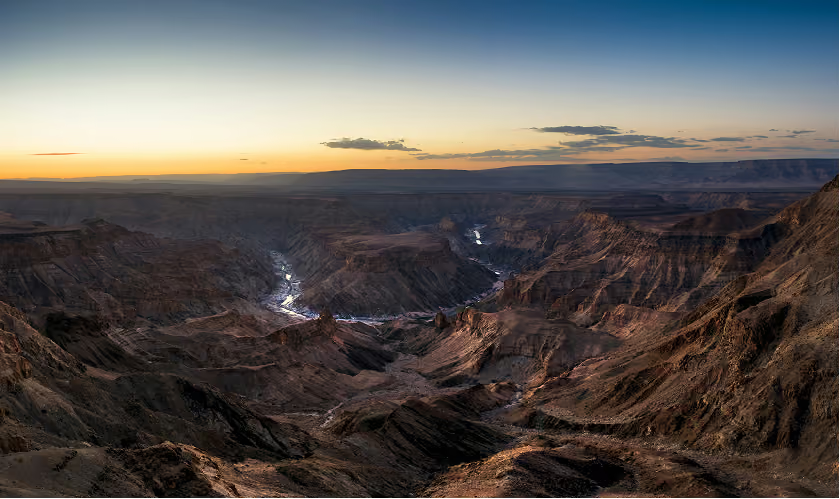
A journey filled with memorable stops.
The landscape keeps changing as you travel. From long days on the road through wide-open country to places where you park the 4x4 and lose track of time. Here’s how the journey unfolds day by day.
This trip is a starting point, not an endpoint.
Change a day or destination
Spend more time in one place, add a rest day or cover a little more ground. We adjust the route to suit your pace and the way you want to travel.
Choose a different 4x4
The right 4x4 depends on your route, who you’re travelling with and how much comfort you want along the way. Together, we’ll choose the vehicle that fits.
Add another country
Want to extend your trip into another country? We’ll look at the most practical route, border crossings and what works within the time you have.
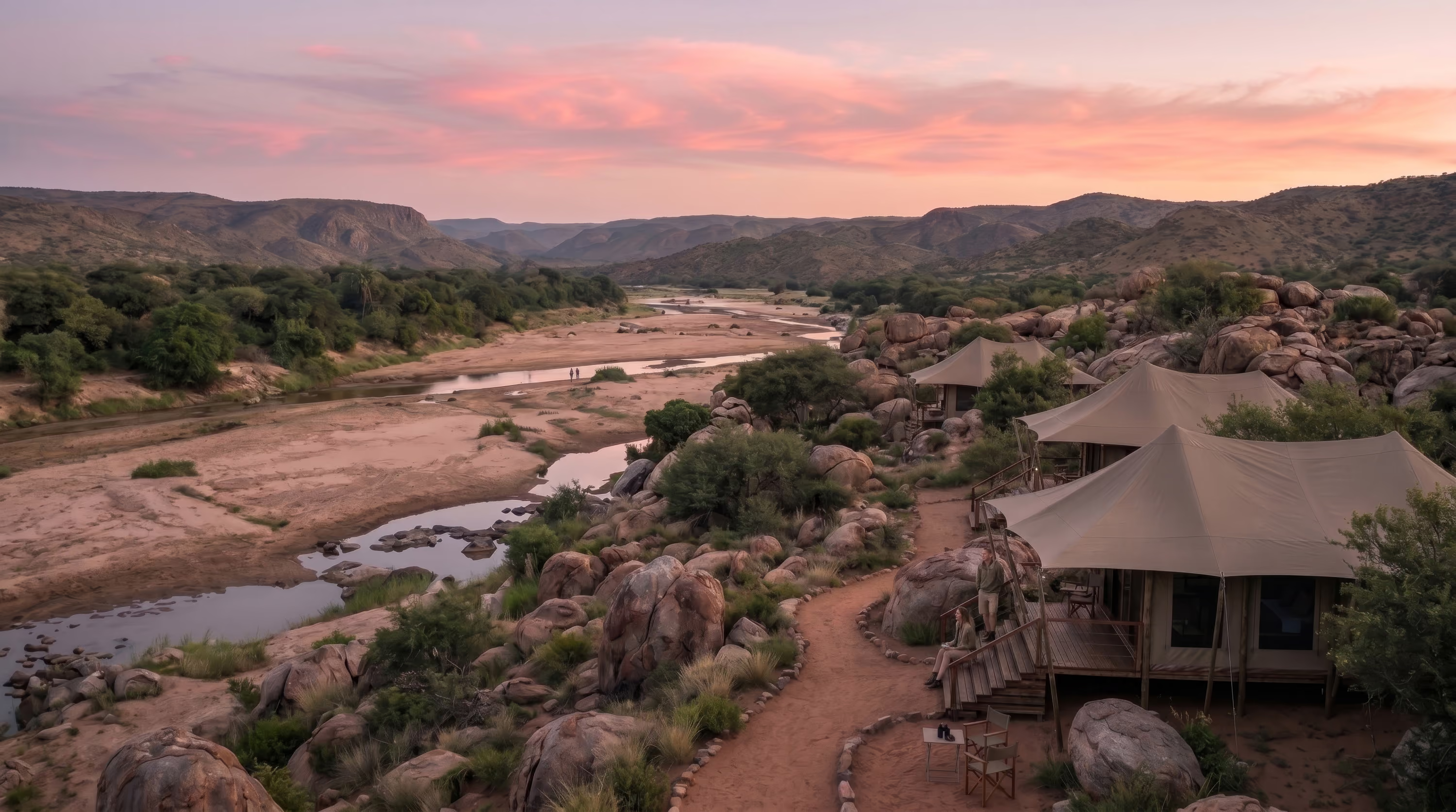
Fully prepared, no surprises.
A self-drive trip calls for clarity. That is why we are as transparent as possible about what we arrange and what you bring yourself. Everything you need for a carefree trip is on board; the rest is for you to fill in according to your own taste.
- Toyota Hilux or similar
- All overnight stays listed in the quotation
- Two authorised drivers
- GPS with Tracks4Africa software
- A clear map of Namibia
- Advice from experienced self-drive specialists
- Airport transfers
- Support
- International flights
- Entrance fees
- Fuel
- Meals and drinks
- Upgrades to fixed accommodation
- Upgrade to a Toyota Land Cruiser or 4x4 camper instead of a rooftop tent
- Excess reduction insurance
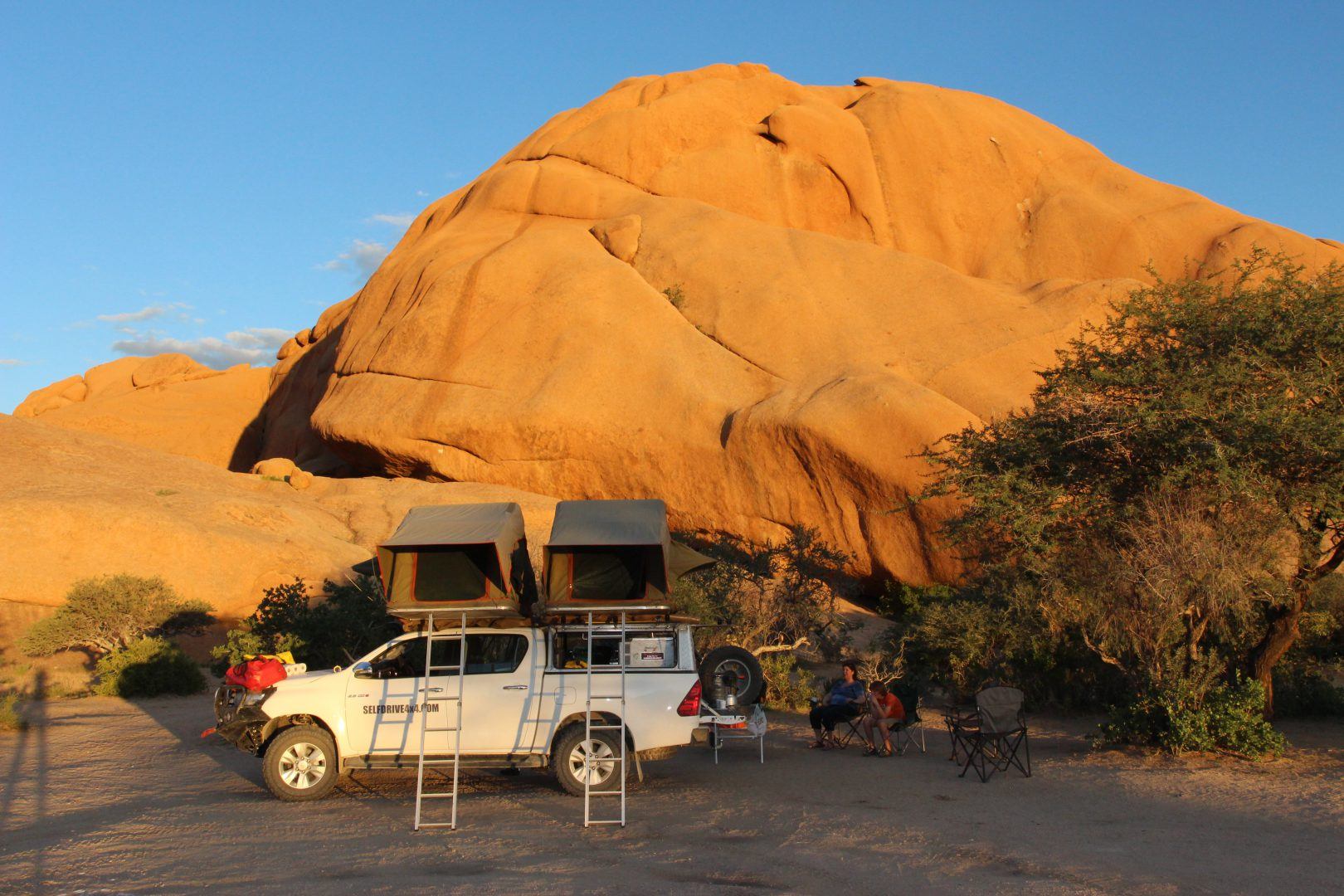
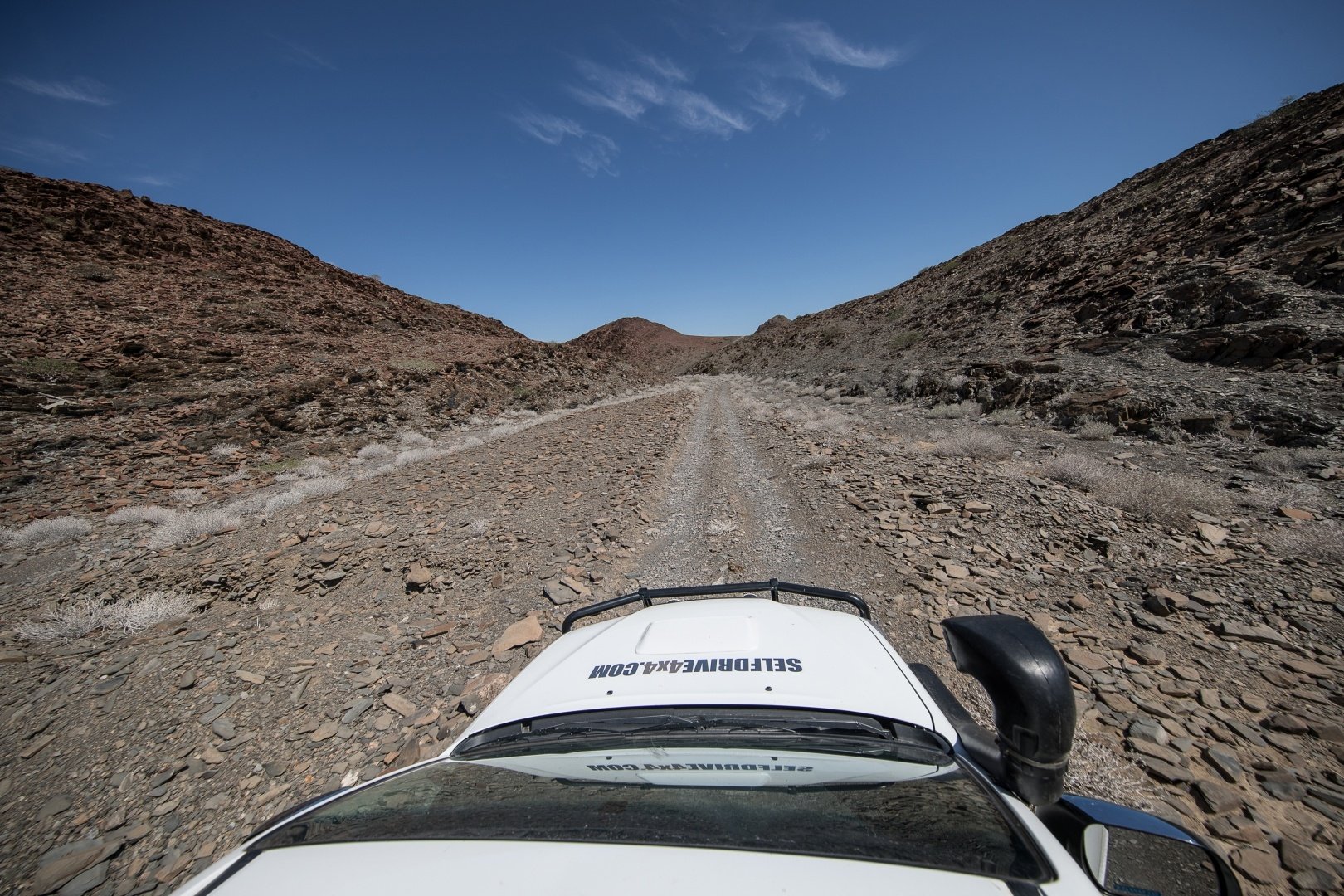
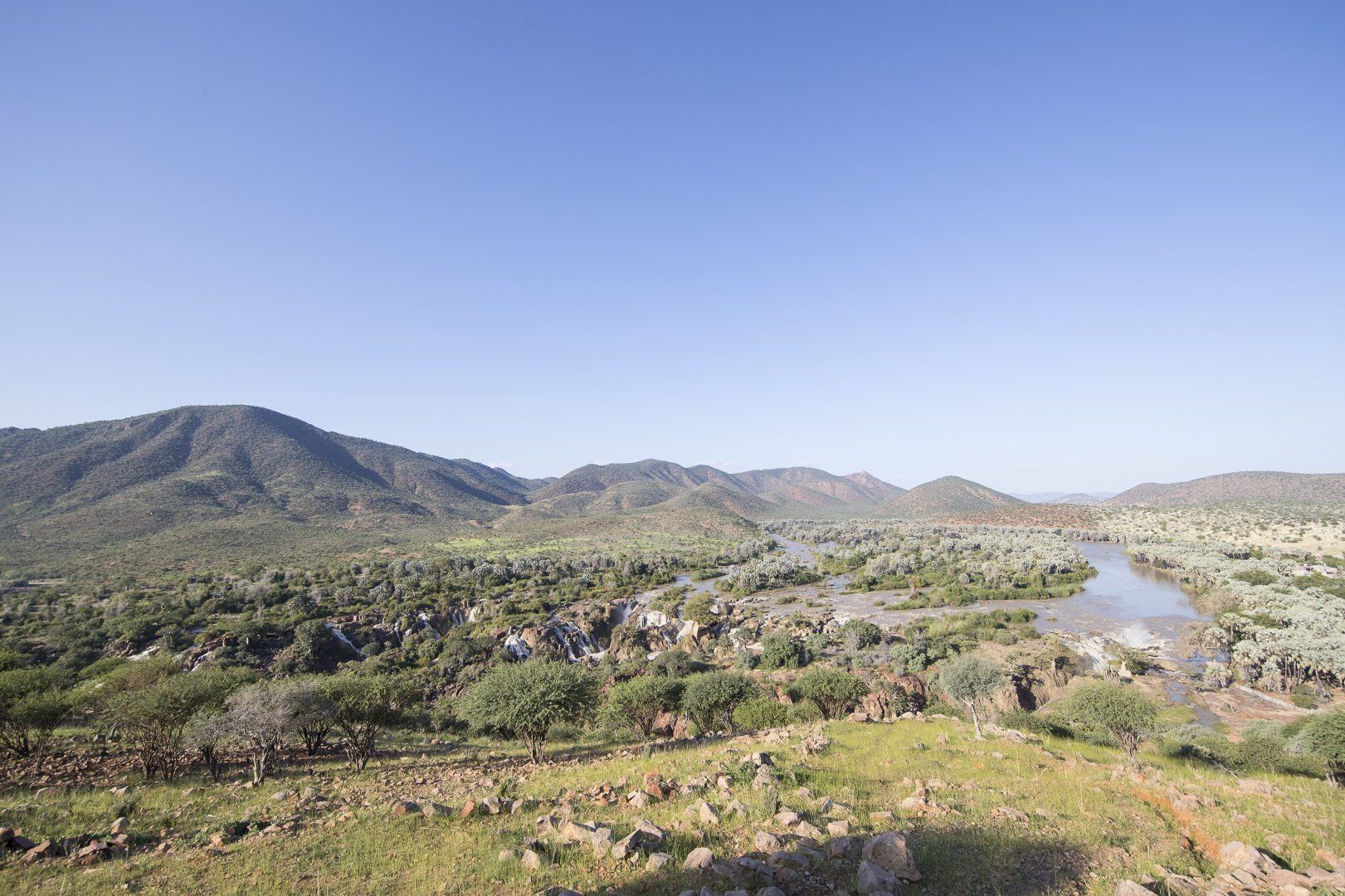
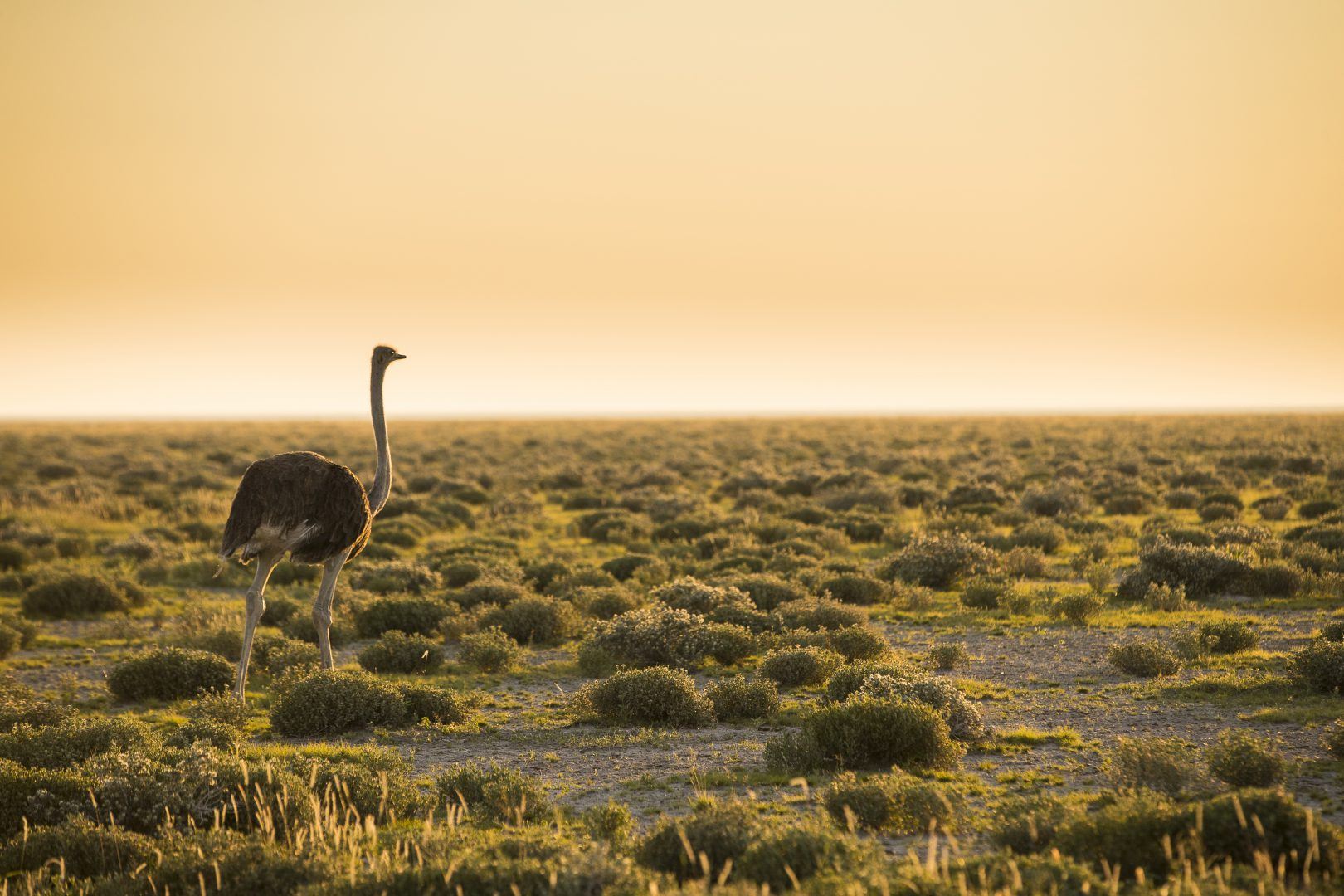
Your story begins the moment you start driving.
.webp)
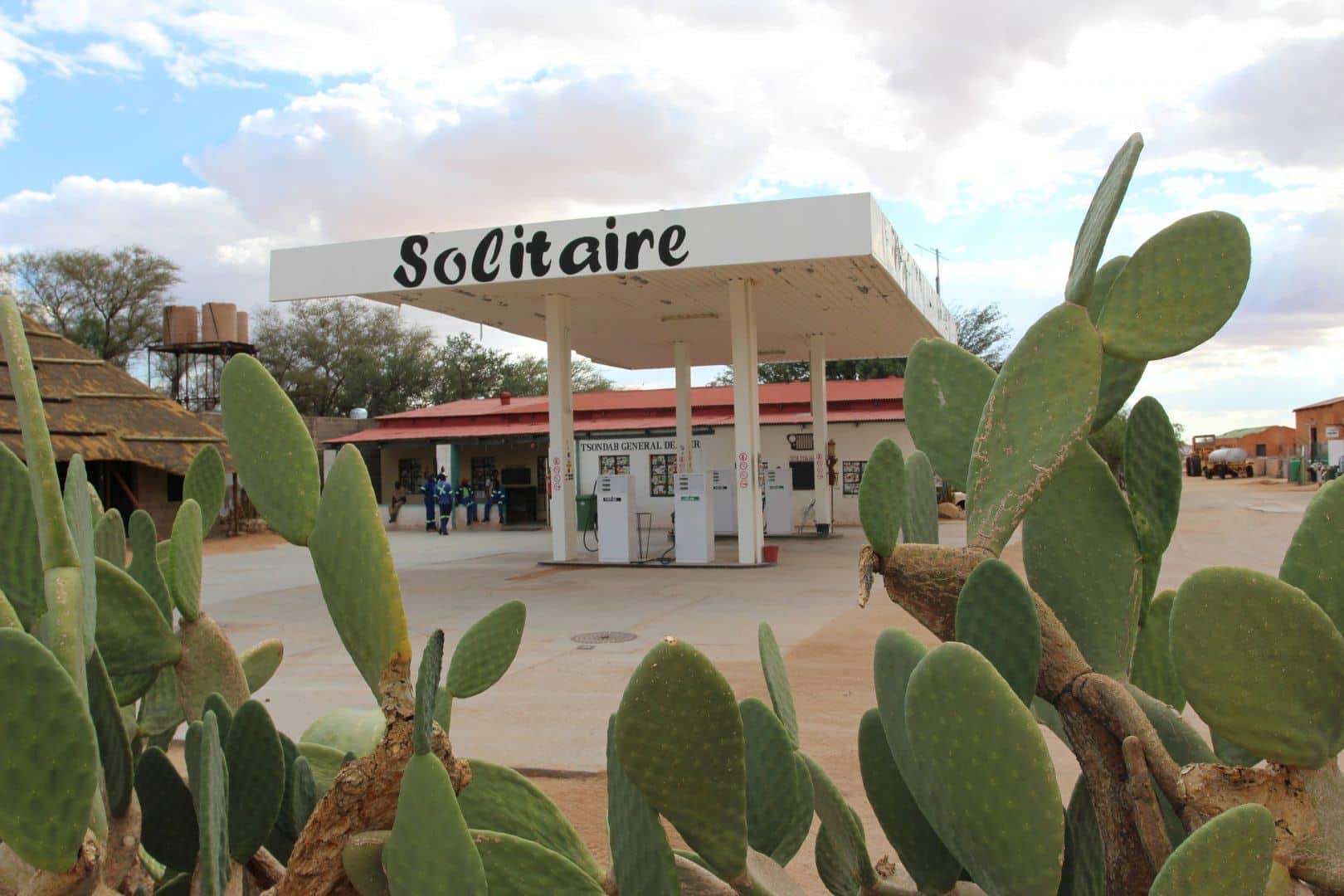
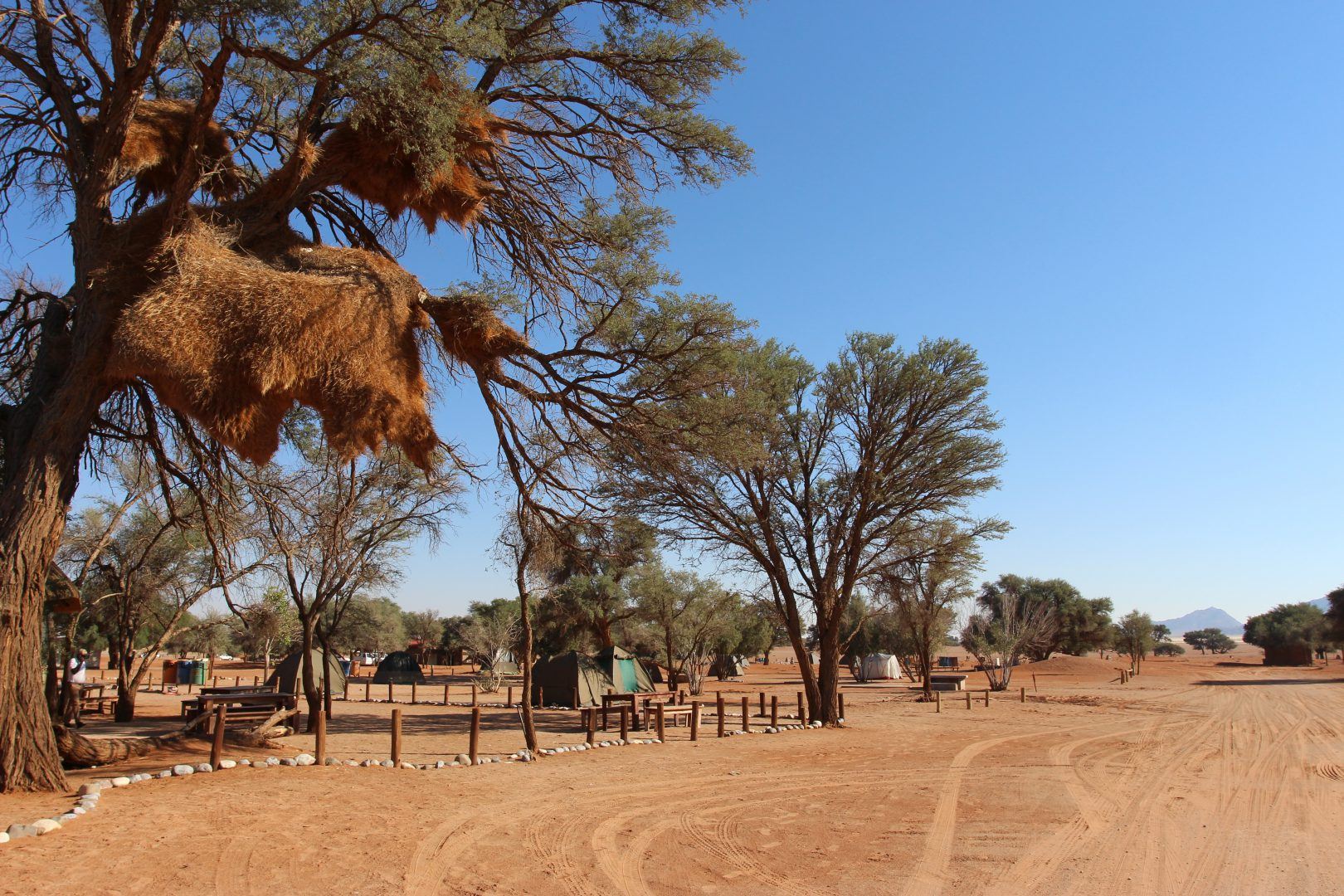
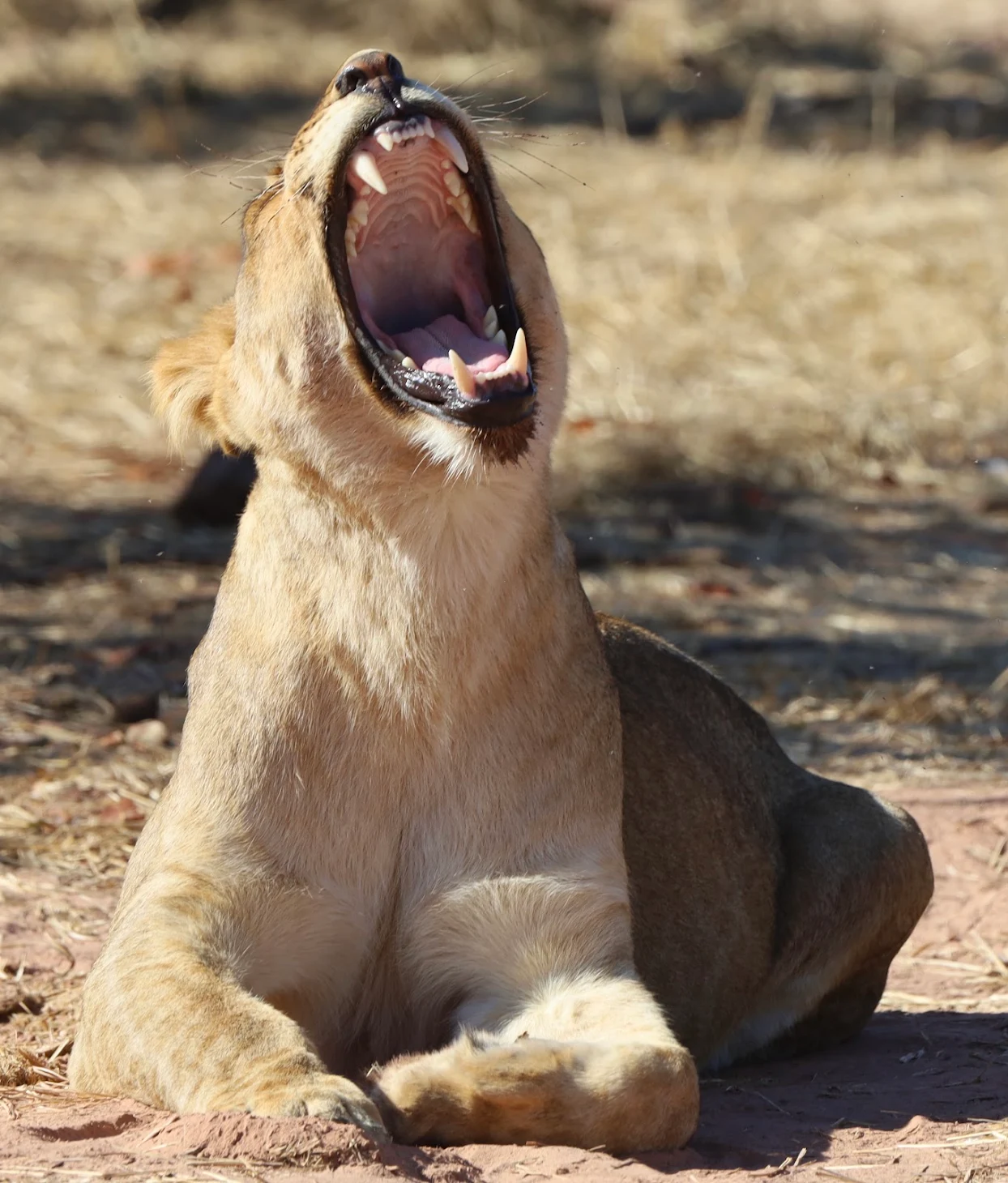
.webp)
.webp)
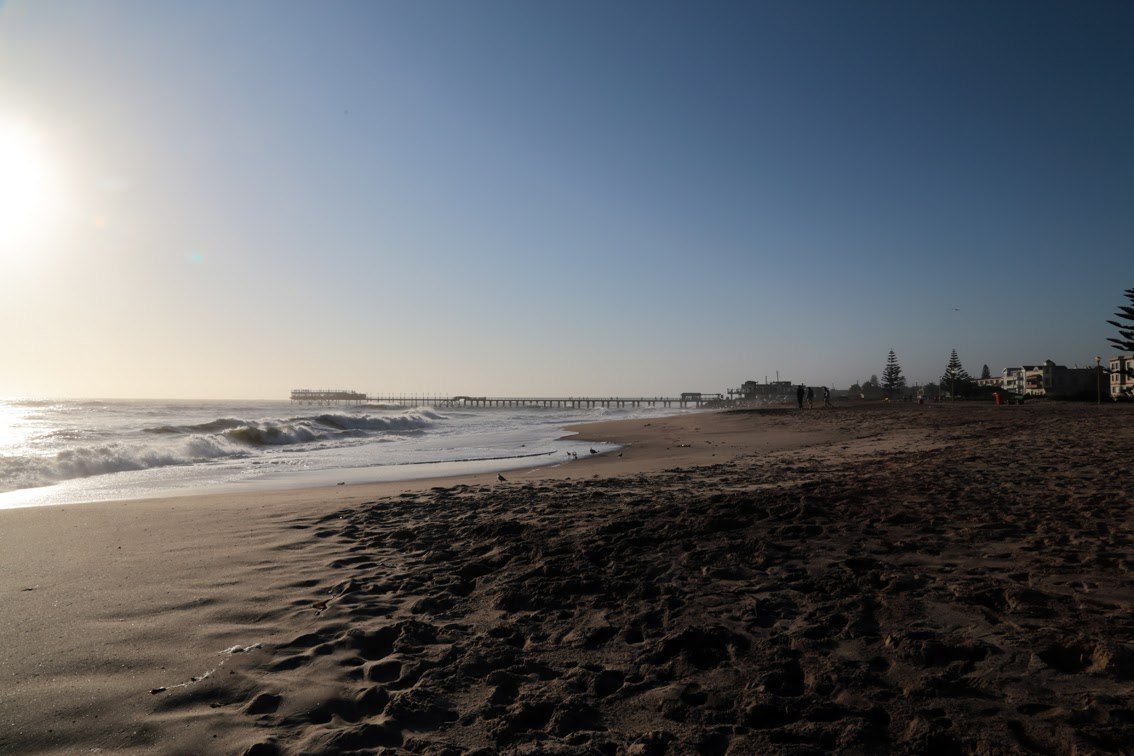
.webp)
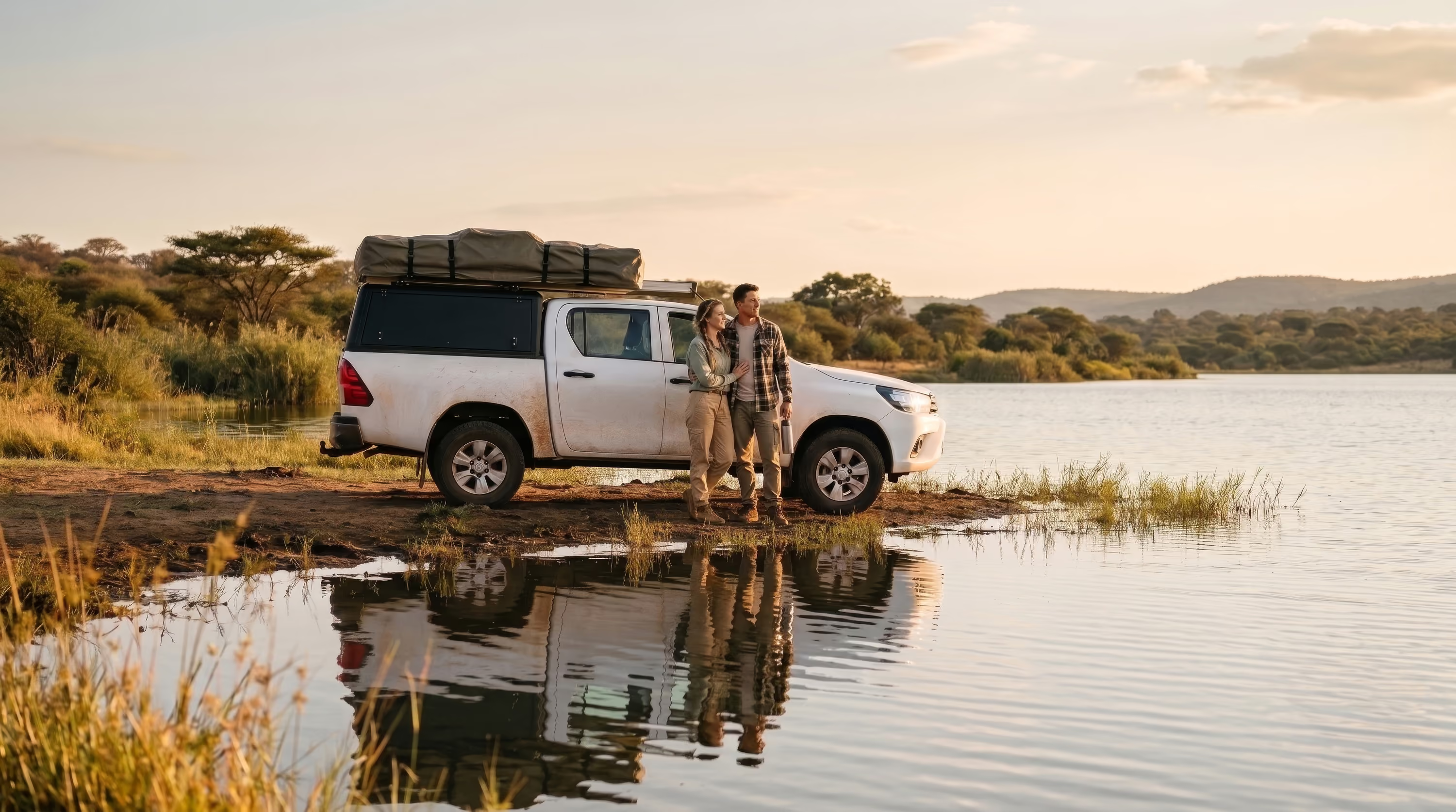
Not quite what you’re looking for?
Every self-drive trip is a starting point, not an endpoint. You can adapt an existing trip or create your own with us. We’ll help you shape the route, choose the right 4x4, find places to stay and prepare for the journey, so everything fits the way you want to travel.
Frequently asked questions.
From driving a 4x4 to routes, preparation and sleeping along the way. Here you’ll find answers to the questions that often come up before you set off.
Namibia is a great destination for your first self-drive journey, even if you've never driven a 4x4 before. You'll travel through wide-open landscapes, along gravel roads and past places where you'll want to take your time.
A route through Sossusvlei, Swakopmund and Etosha National Park is a rewarding introduction to the country. You'll experience the towering dunes of the Namib Desert, the Atlantic coastline and the wildlife gathering around Etosha's waterholes, without having to tackle the most challenging 4x4 tracks.
Gravel roads and long driving distances do require some preparation. We'll provide practical driving instructions and tailor your route to your experience and what you feel comfortable with.
That way, you can explore Namibia independently, following a route that suits your first adventure behind the wheel of a 4x4.
The southern Skeleton Coast is well suited to an independent self-drive journey. Here, you'll travel through a vast coastal landscape where the Namib Desert meets the Atlantic Ocean. Mist, sandy plains and a rugged coastline shape the scenery.
You can follow the public coastal route in your own 4x4 as far as Terrace Bay. Along the way, you'll experience the silence and remoteness of this part of Namibia.
Different rules apply to the northern Skeleton Coast. This remote area is not freely accessible, and visiting requires special permits and access arrangements.
We'll advise you on the possibilities and help you choose a route that suits your travel plans, taking the access regulations and road conditions into account.
The final stretch towards Deadvlei takes you through deep sand, surrounded by the towering dunes of the Namib Desert. Under the current regulations, you can drive this sandy section yourself in a suitable 4x4, reaching the parking area before continuing to Deadvlei on foot.
Driving through deep sand requires the right technique and preparation. If you have little experience with sand driving or prefer to leave this section to someone else, you can take a shuttle instead.
We'll advise you on the route, driving conditions and current access regulations before your visit. That way, you can decide how you'd like to reach Deadvlei.
You can explore much of Damaraland independently. With a 4x4, you'll travel through a landscape of rocky mountains, dry riverbeds and wide-open plains. You set your own pace and stop wherever it's safe to do so.
The main routes are suitable for self-driving. We recommend a 4x4 because of the gravel roads and changing road conditions.
If you'd like to venture into more remote areas or search for desert-adapted elephants, a local guide can be a valuable addition. They know the terrain, the conditions and the areas where the elephants may be found.
We'll help you decide which routes you can drive independently and where a guide makes sense. That way, your journey through Damaraland will suit your experience and travel plans.
In Namibia, it's wise to book your campsites and lodges well before departure. Popular places to stay, particularly around Etosha National Park and Sesriem, the gateway to Sossusvlei, often fill up quickly during the safari season and school holidays.
Planning early gives you more choice of accommodation and allows us to shape your route around the places you'd like to stay.
Thanks to our local partners, we can often arrange campsite and lodge reservations well in advance. This sometimes gives us access to options that may be difficult to find when booking independently.
Planning to travel soon? We'll be happy to explore what's still possible. We'll check which places have availability for your travel dates and help you put together a route that fits.
Two weeks give you time to experience Namibia's wide-open landscapes, gravel roads and remarkable places. The right route depends on what you'd like to see along the way and how much driving experience you have.
Our classic 14-day itinerary takes you through some of the country's highlights. Prefer to travel further north? Our route through Kaokoland brings you to the homeland of the Himba people and the Epupa Falls, where the Kunene River tumbles over rocky cascades.
We'll help you choose a route that suits your experience and travel plans. That way, you'll have time to stop along the way and explore Namibia at your own pace.
Explore our suggested itineraries:
In several of Namibia's national parks, you can explore independently in your own 4x4. In Etosha National Park, you'll drive across open plains and past waterholes, where you may encounter wildlife along the way. You can take your time watching the animals and decide how long you'd like to stay at each waterhole.
You can also explore the public routes in the southern section of Skeleton Coast National Park yourself. Here, you'll travel through a landscape of sandy plains, mist and rugged coastline.
Within the national parks, you must stay on designated roads and follow park opening hours and any permit requirements.
At Waterberg Plateau Park, you can drive yourself to the resort. To see wildlife on the plateau, you'll join a guided game drive.
We'll help you prepare with information about routes, park regulations and permits, so you know where you can drive independently and where a guide is required.
In several of Namibia's national parks, you can explore in your own 4x4. In Etosha National Park, you'll drive across wide-open plains and past waterholes, where you may encounter elephants, giraffes and other wildlife along the way.
You can also drive the public routes in the southern section of Skeleton Coast National Park yourself. Here, the landscape changes to a rugged coastline of sand, mist and remote, open spaces.
Keep in mind that you must stay on designated roads within the parks. Gate opening hours apply, and permits may be required.
Waterberg Plateau Park works a little differently. You can drive yourself to the resort, but game drives on the plateau are accompanied by a guide.
We'll advise you on accessible routes, permits and park regulations before departure, so you know where you can drive independently and where a guide is required.
Namibia is a destination you can explore throughout the year. The best time for your self-drive journey depends on what you'd like to see and experience along the way.
From May to October, Namibia is in its dry season. This is a particularly interesting time for a safari in Etosha National Park. As water becomes scarce, wildlife gathers more frequently around the waterholes, giving you opportunities to watch the animals at your own pace.
June, July and August generally bring pleasant daytime temperatures, but nights can be surprisingly cold. If you're travelling with a rooftop tent, warm clothing is essential. By October, daytime temperatures can rise considerably.
The greener summer months, from November to April, have a character of their own. After the rains, the landscape changes and you'll experience a different side of Namibia. Local rainfall can, however, affect road conditions in some areas.
We'll help you choose a route that suits your travel dates, taking the seasons, road conditions and places you'd like to visit into account.
You don't need four-wheel drive for every route in Namibia. Many main roads are also accessible with a regular car. Still, we recommend a 4x4 if you'd like to explore the country at your own pace.
In Namibia, you'll spend long stretches driving on gravel roads, encounter sandy tracks and find that some campsites and remote areas are far from the main routes. A 4x4 gives you greater ground clearance and, depending on the conditions, access to roads that may be less suitable for a regular rental car.
Never driven a 4x4 before? You don't need previous off-road driving experience for most of the routes we recommend. We'll help you choose an itinerary that suits your experience and provide practical driving instructions for the journey ahead.
Related trips
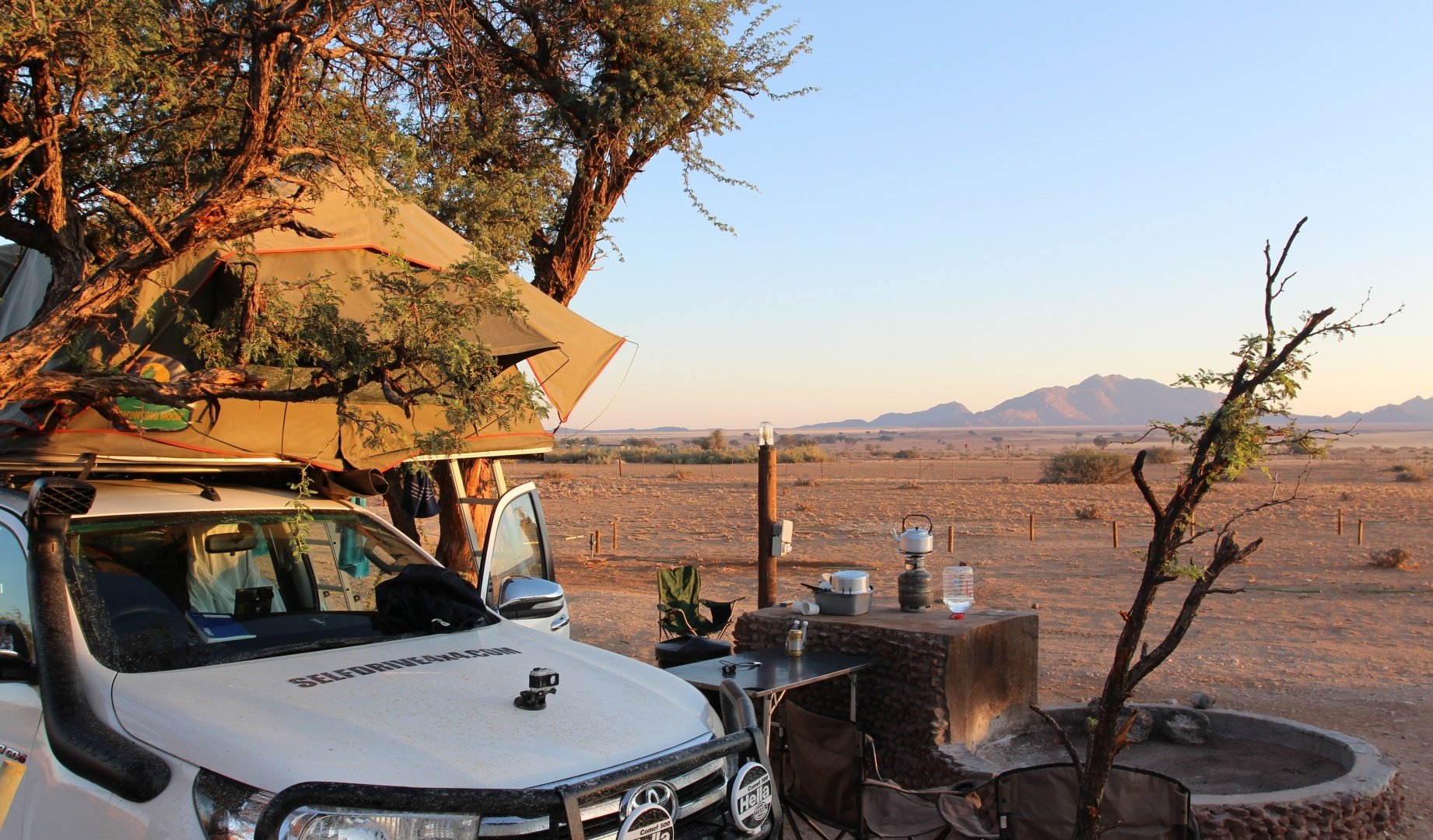
Namibia Self-Drive 14 Days
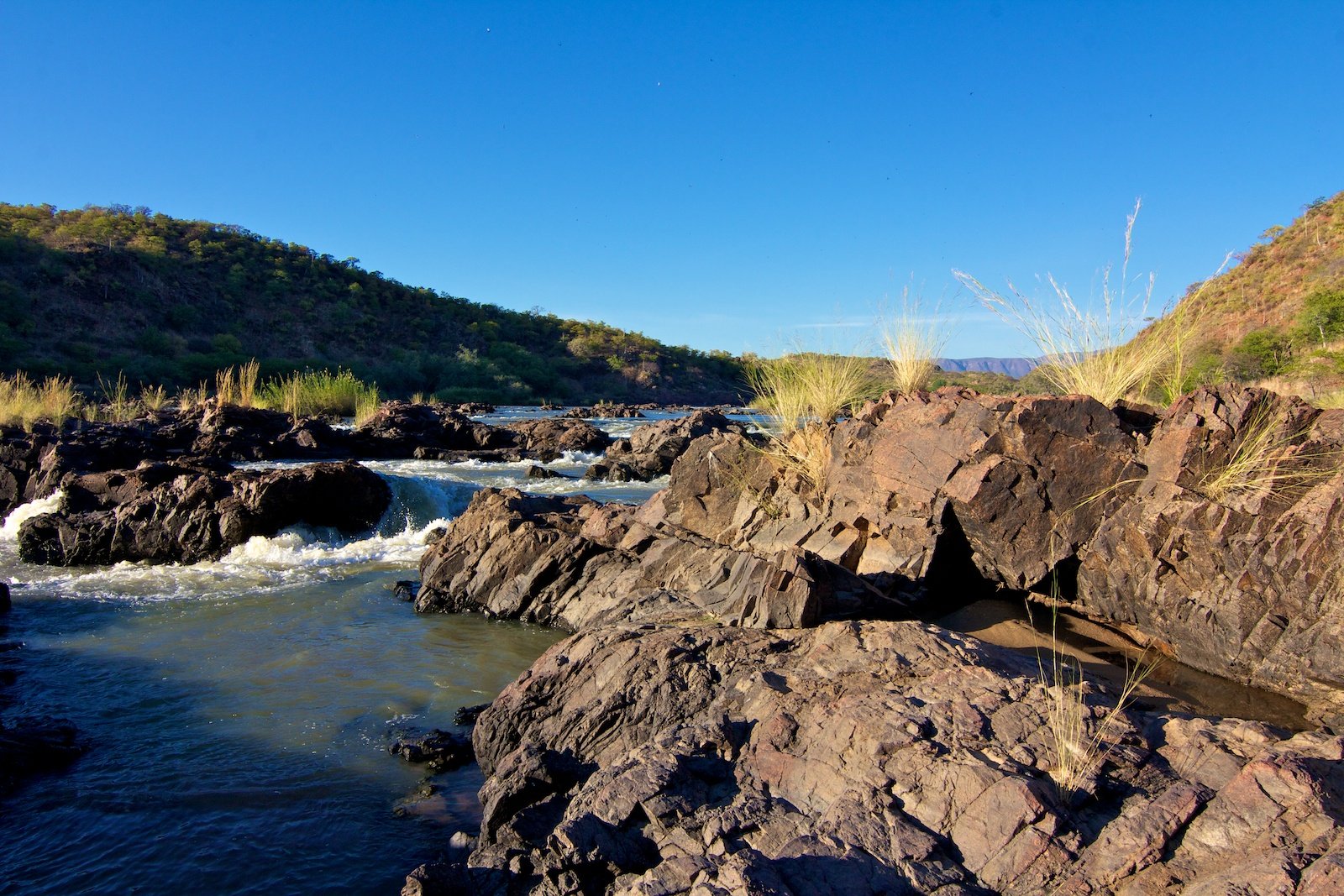
Namibia Himba and Kaokoland