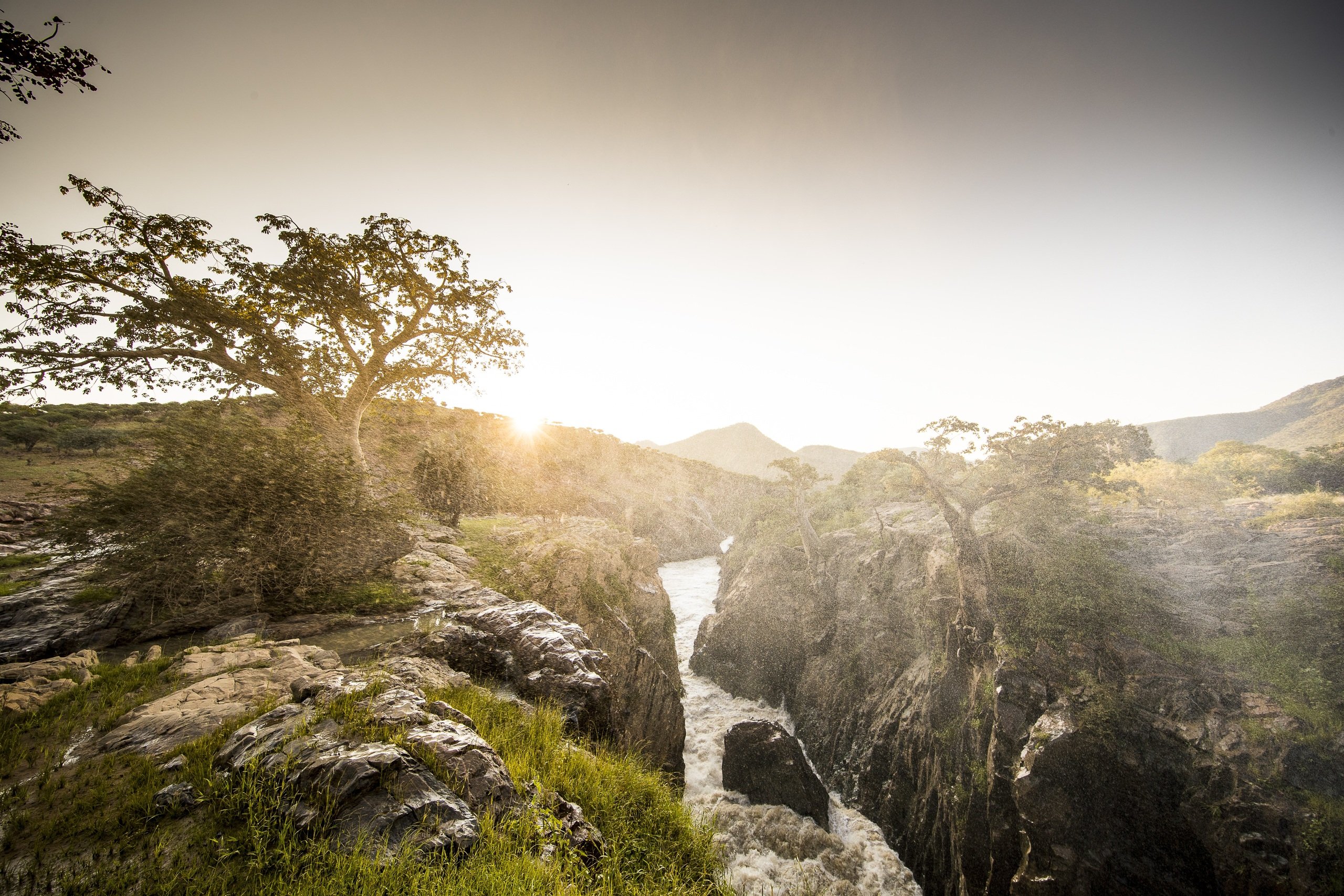



Botswana Kalahari & Okavango Self-Drive
One day, your 4x4 is parked on the banks of the Okavango; a few days later, you are driving along dusty sand roads deep into the Kalahari. That contrast defines this self-drive journey. You follow the water through the Caprivi, camp in the heart of the Central Kalahari and then return to Kasane via Moremi and Chobe. Along the way, there is plenty of room to make your own choices. Will it be a game drive, a day by the water or simply doing nothing at all?
Not quite the trip you’re looking for? This trip can be fully tailored to your preferences.
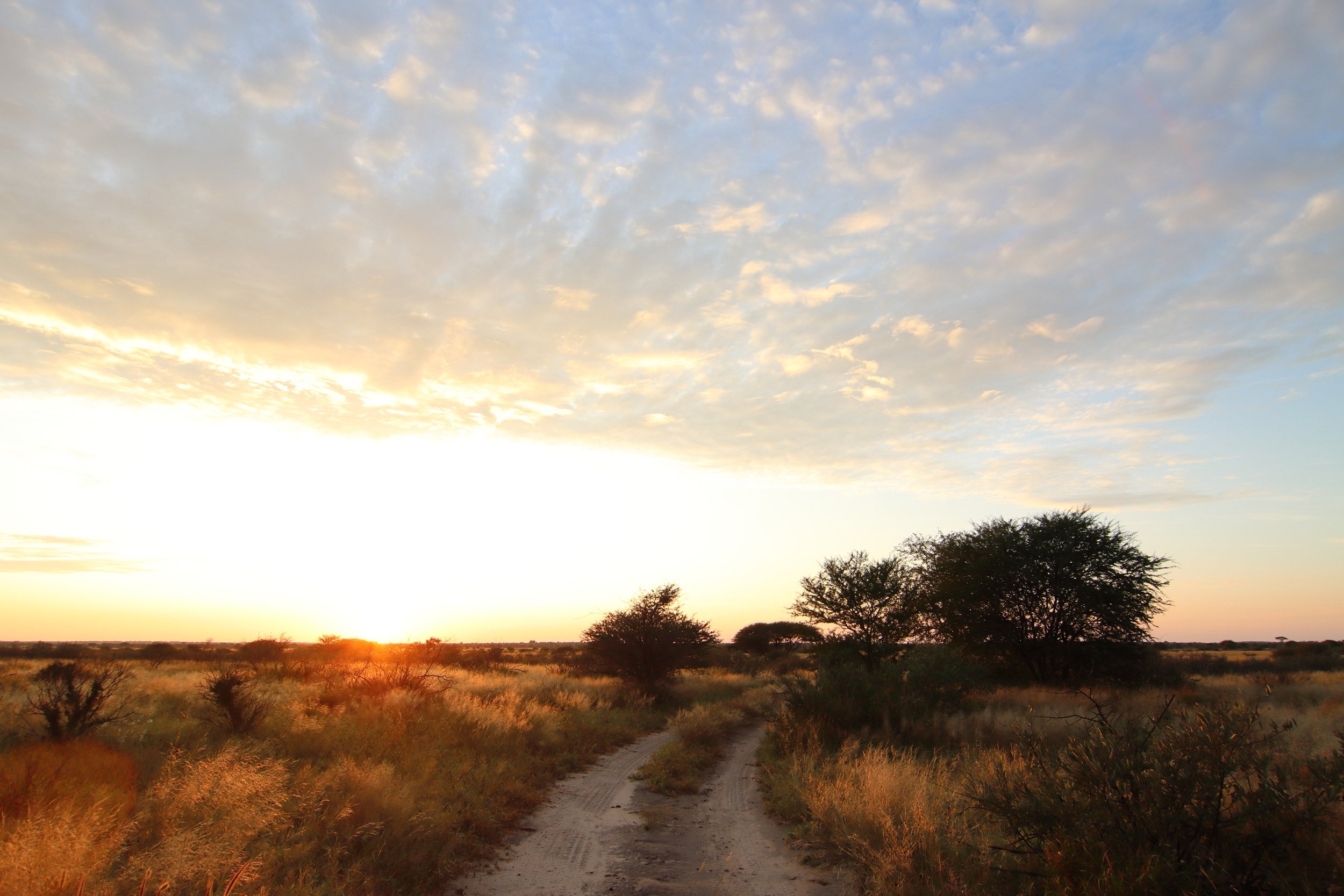
Everything mapped out. The route remains yours.
From Kasane, you follow the rivers northwards, via the Kwando to the Okavango. At Ngepi, the 4x4 stays parked for a day while you take to the water in a mokoro or simply relax at camp. The scenery then changes. Via Maun, you drive into the Central Kalahari, where three camps and long game drives take you deeper into the dry plains. Back in Maun, you stock up on supplies and fuel again for the final section: Moremi, Khwai, Savuti and Chobe. Here, the drives are often game drives in themselves: you never know what wildlife will surprise you.
The trip is available for 2 to 4 people per vehicle. For 5 people or more, the price is available on request and depends on local availability.
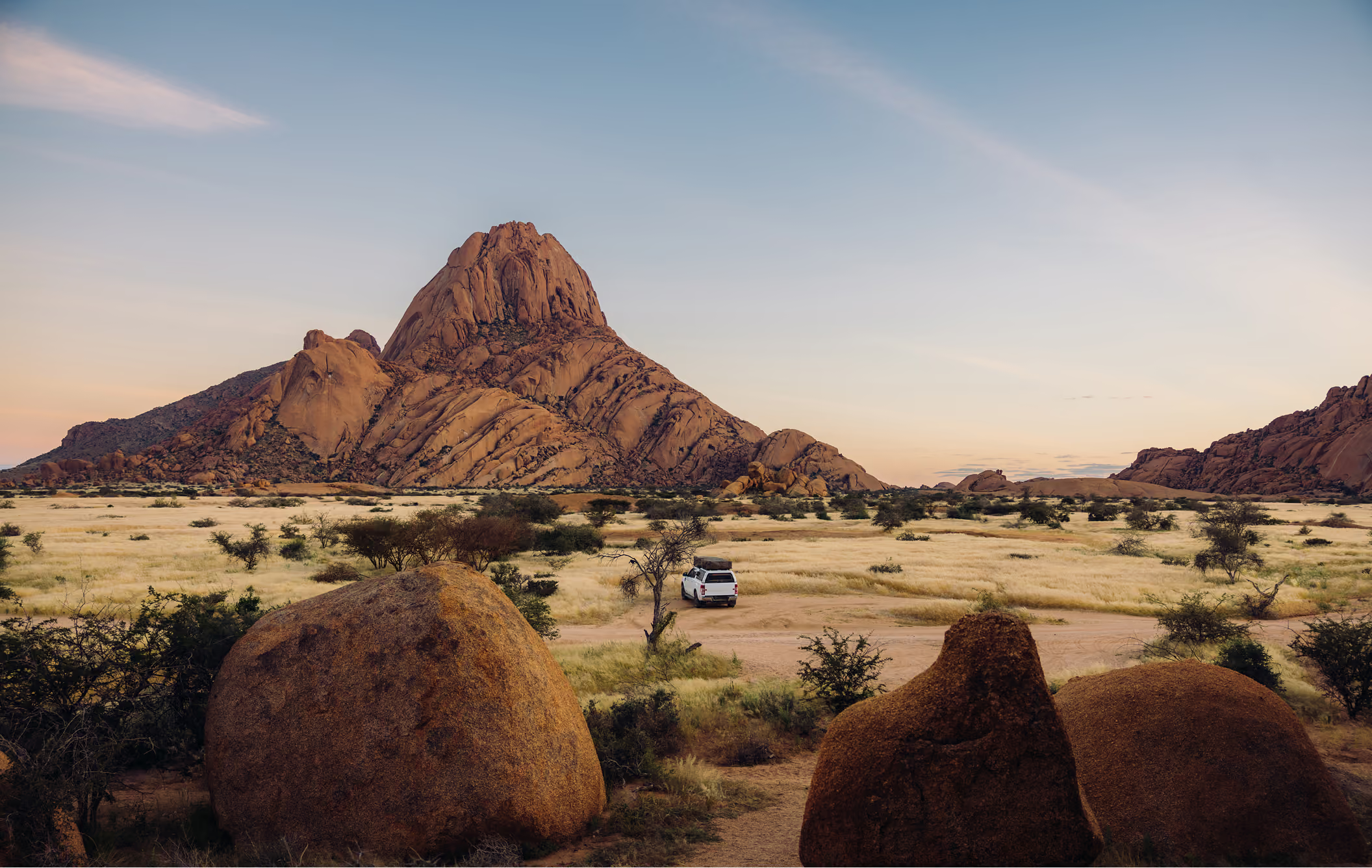
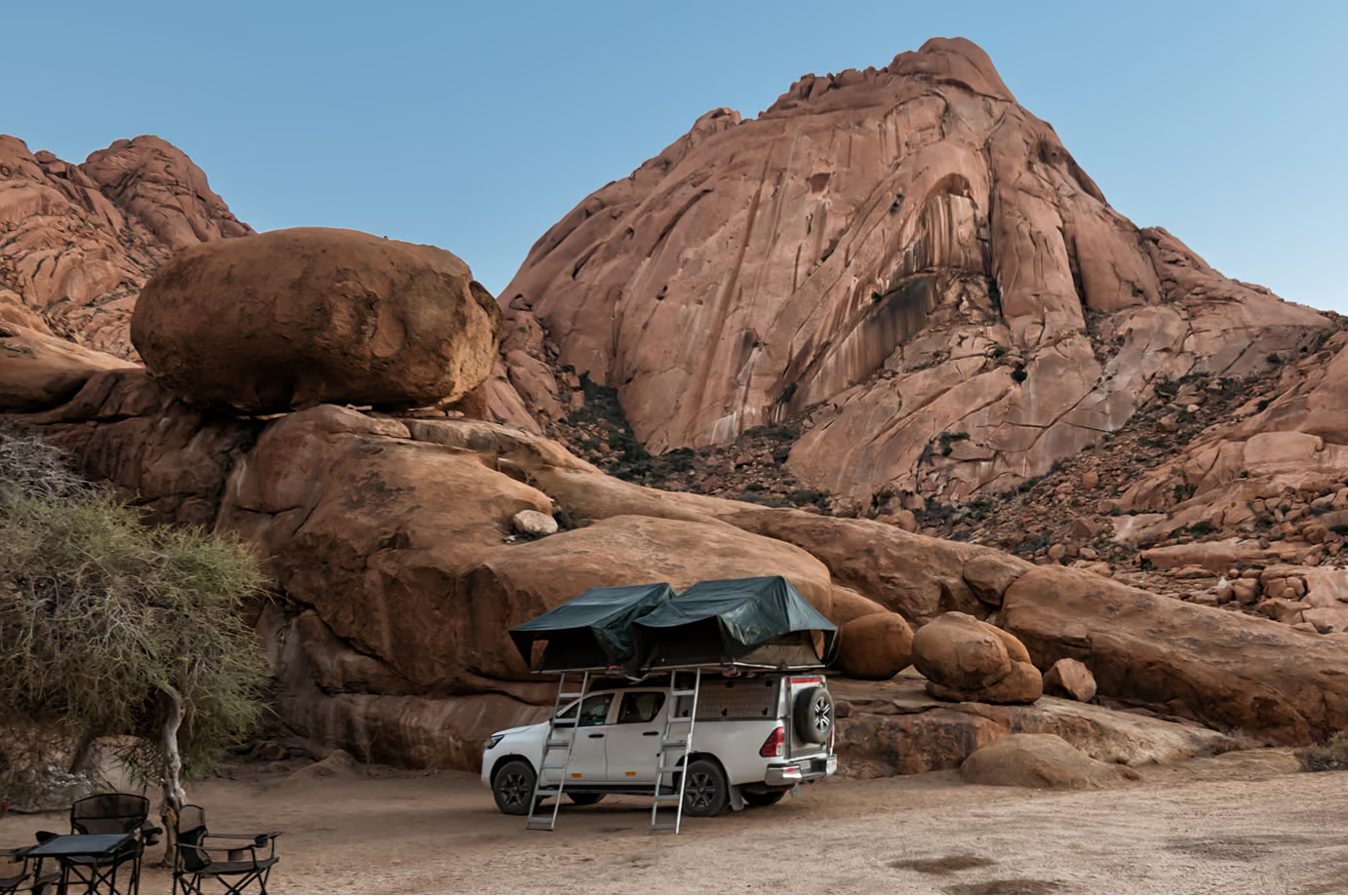
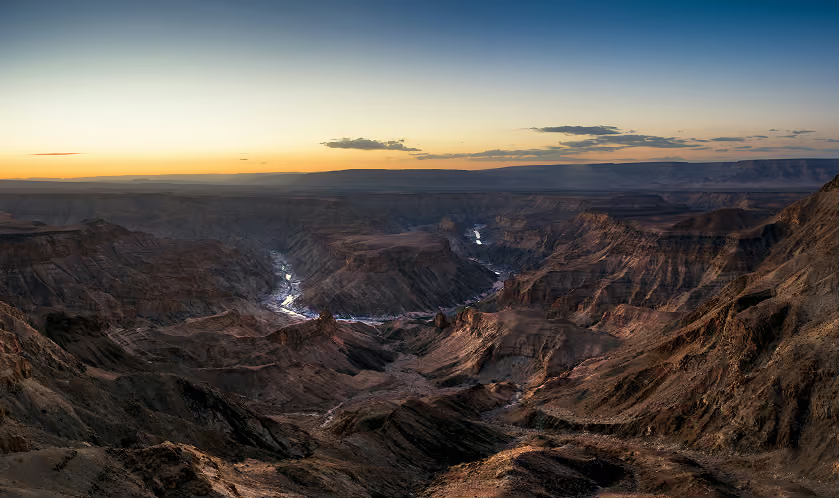
This self-drive journey is not a script, but a starting point.
Stay longer along the Okavango, add an extra night in the Kalahari or include Victoria Falls at the end? You decide. We tailor the route to your wishes, travel party and travel pace. There are also several flight options: via Kasane, Victoria Falls or Livingstone.
Everything that makes this trip unforgettable.
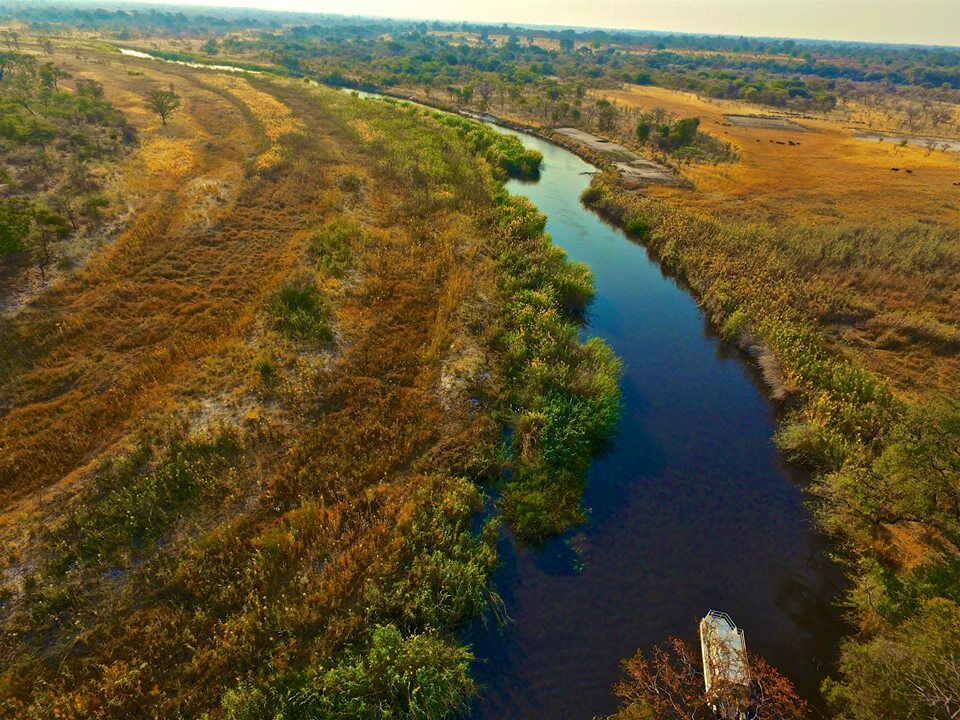
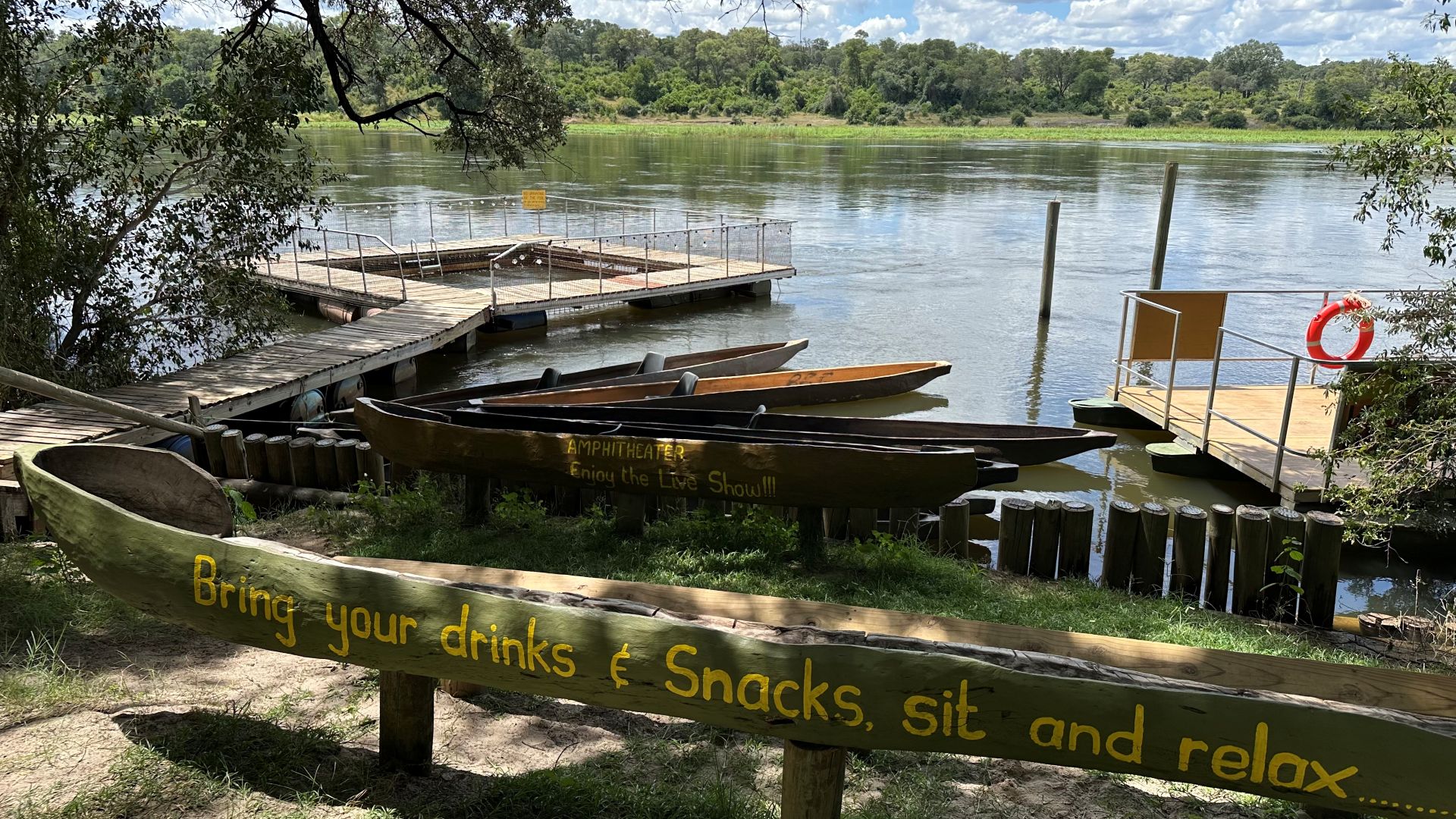
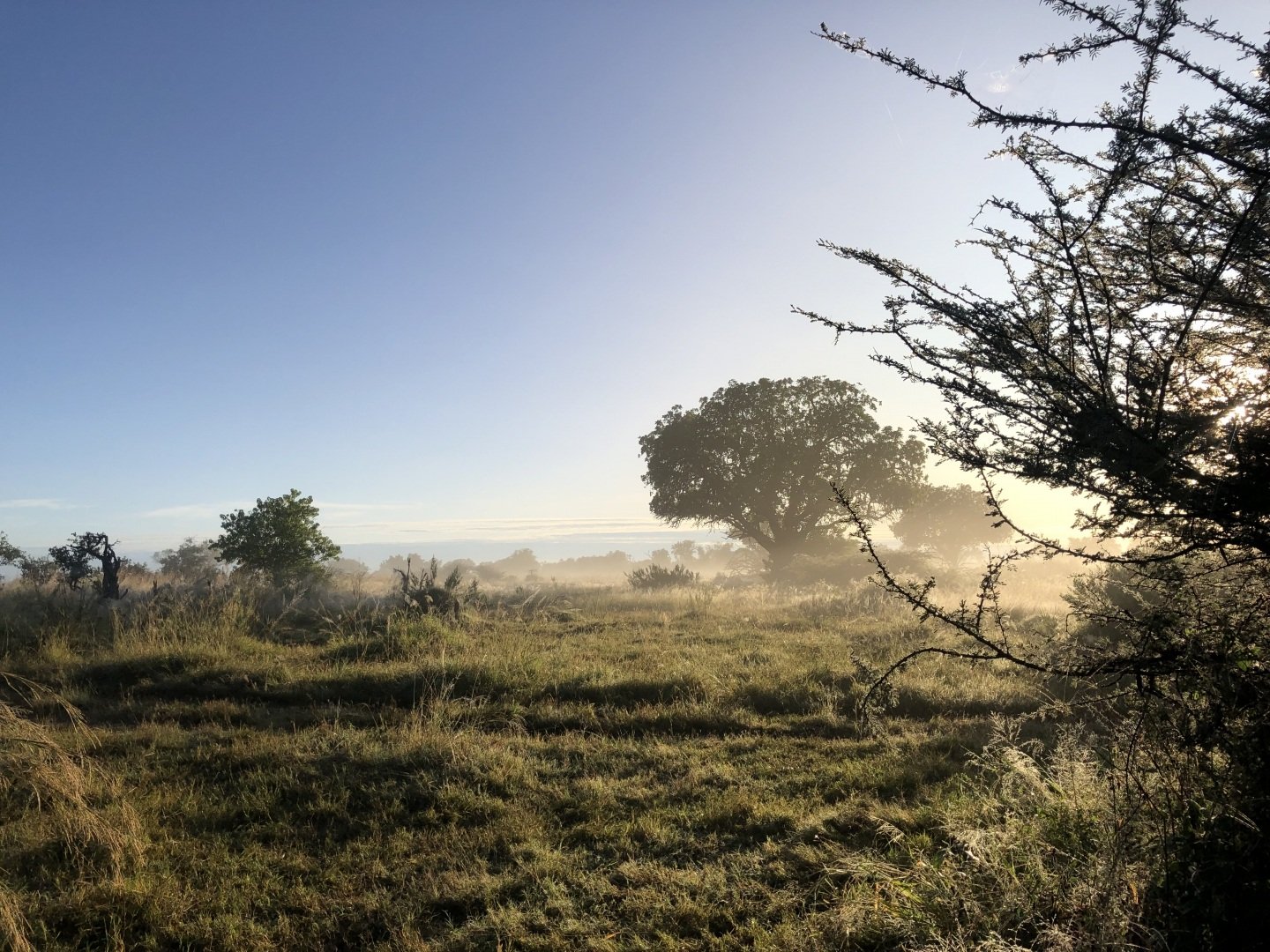

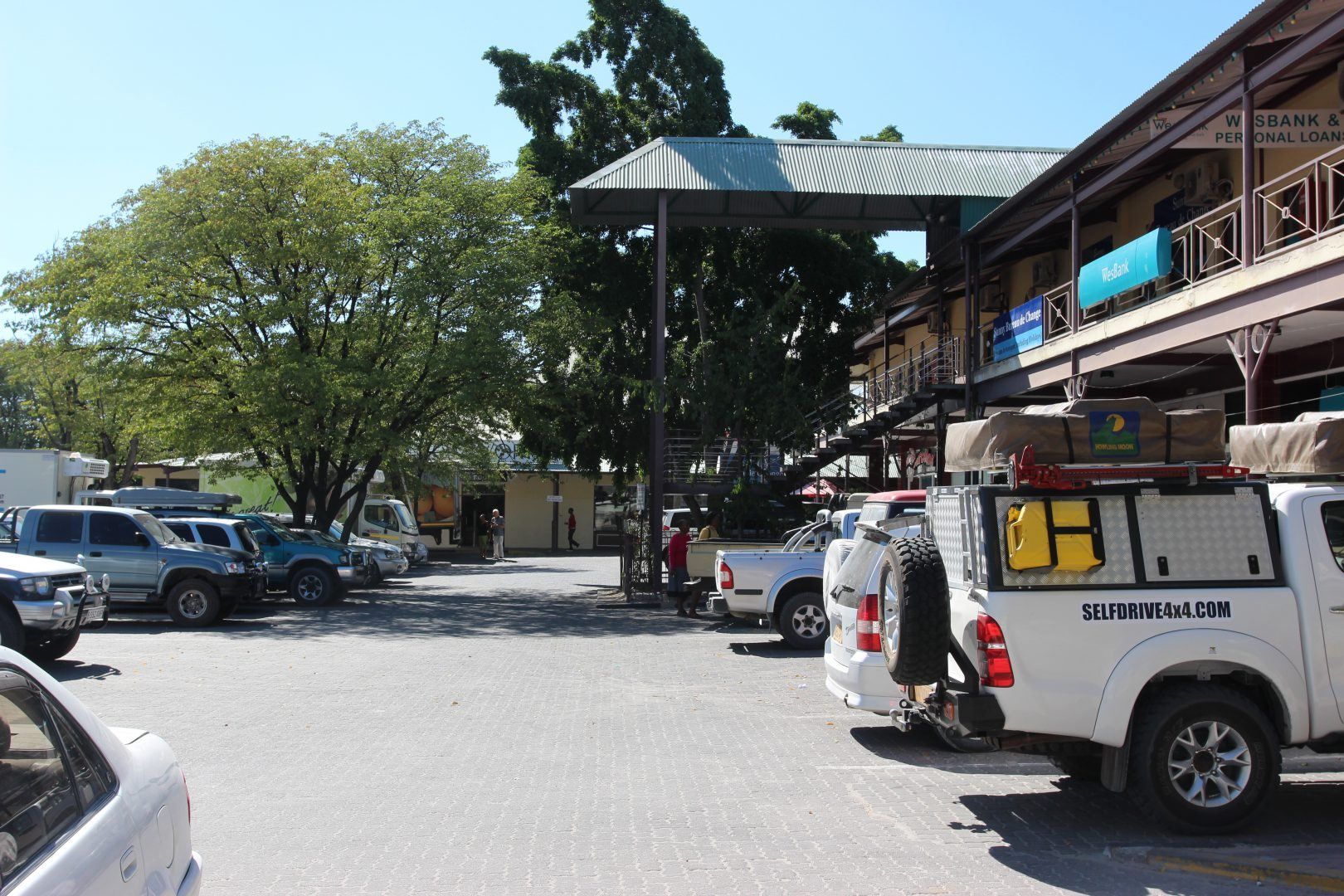
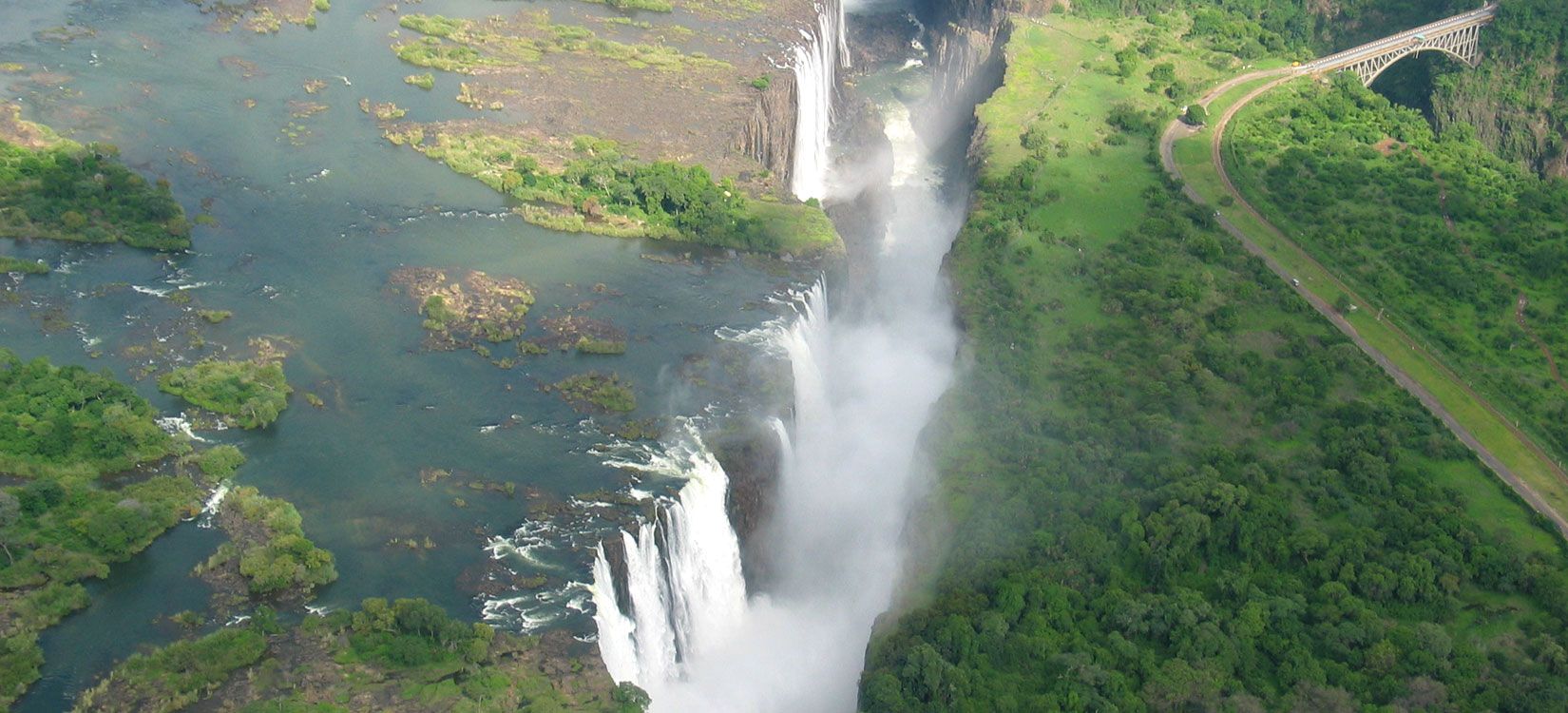

A journey filled with memorable stops.
The landscape keeps changing as you travel. From long days on the road through wide-open country to places where you park the 4x4 and lose track of time. Here’s how the journey unfolds day by day.
This trip is a starting point, not an endpoint.
Change a day or destination
Spend more time in one place, add a rest day or cover a little more ground. We adjust the route to suit your pace and the way you want to travel.
Choose a different 4x4
The right 4x4 depends on your route, who you’re travelling with and how much comfort you want along the way. Together, we’ll choose the vehicle that fits.
Add another country
Want to extend your trip into another country? We’ll look at the most practical route, border crossings and what works within the time you have.
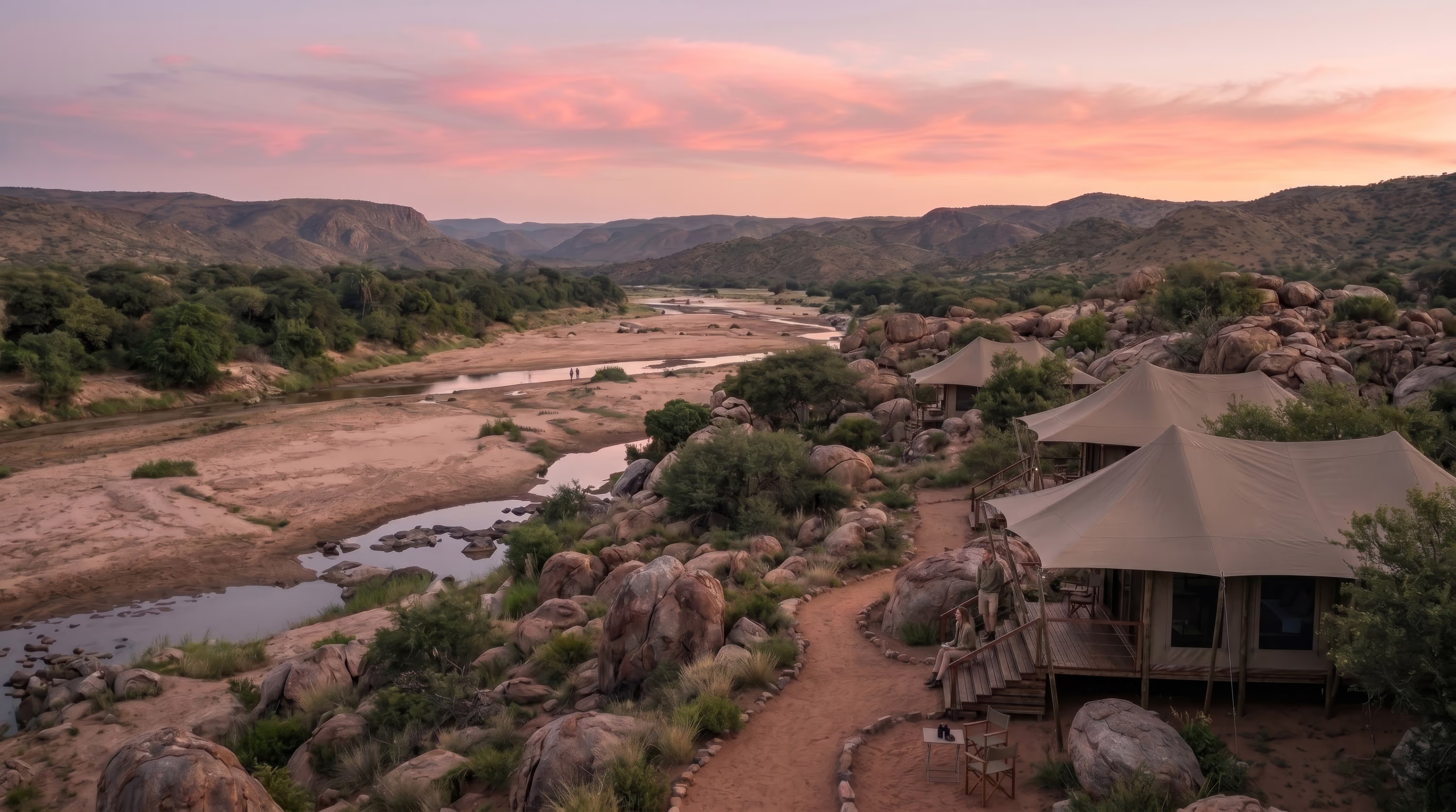
Fully prepared, no surprises.
A self-drive trip calls for clarity. That is why we are as transparent as possible about what we arrange and what you bring yourself. Everything you need for a carefree trip is on board; the rest is for you to fill in according to your own taste.
- Toyota Hilux or similar
- All accommodation listed in the quotation
- Two drivers
- GPS with Tracks4Africa software
- Botswana travel/safari guide and a clear map
- Advice from experienced self-drive specialists
- Airport transfers
- Support
- International flights
- Entrance fees
- Fuel
- Meals and drinks
- Upgrades to fixed or luxury accommodation
- Upgrade to a Toyota Land Cruiser or 4x4 camper instead of a rooftop tent
- Insurance to cover the rental excess
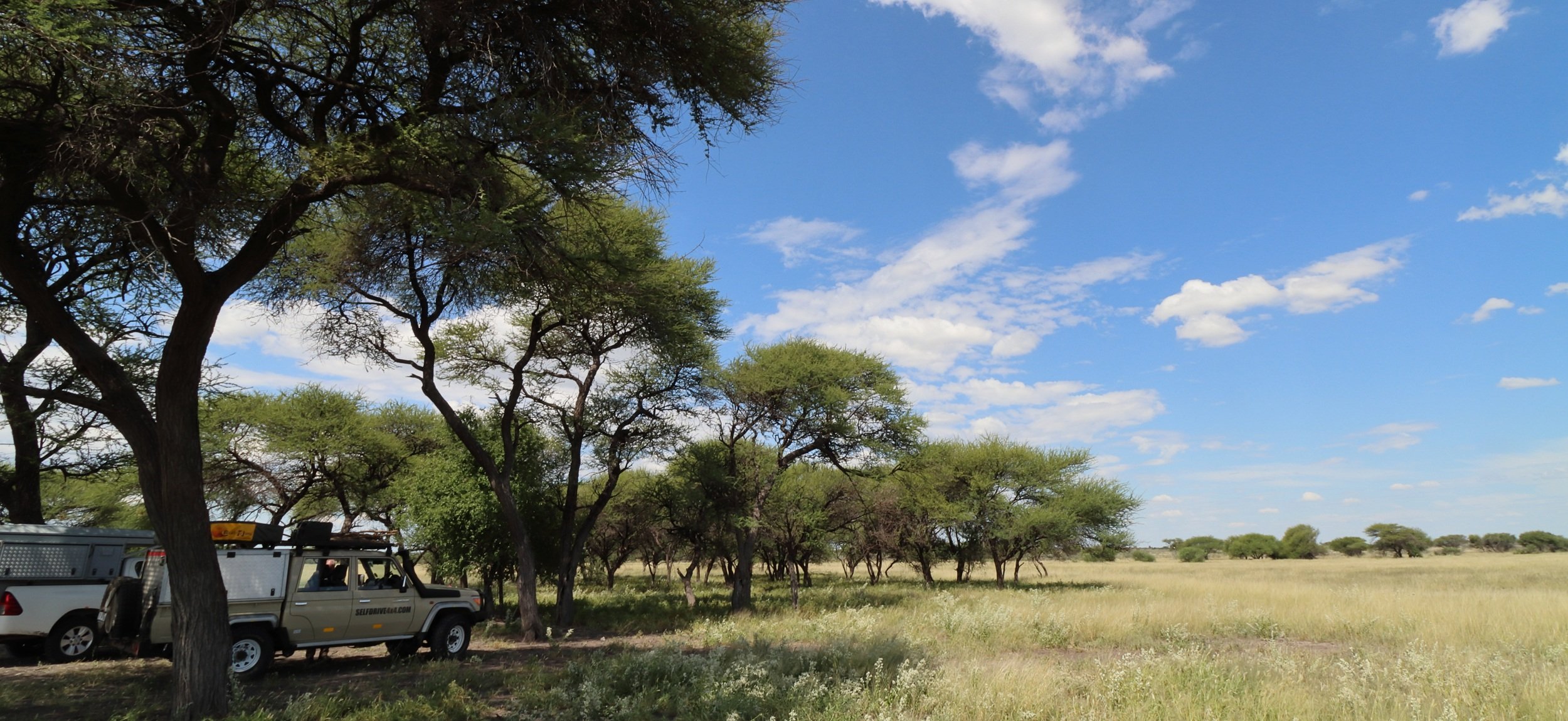
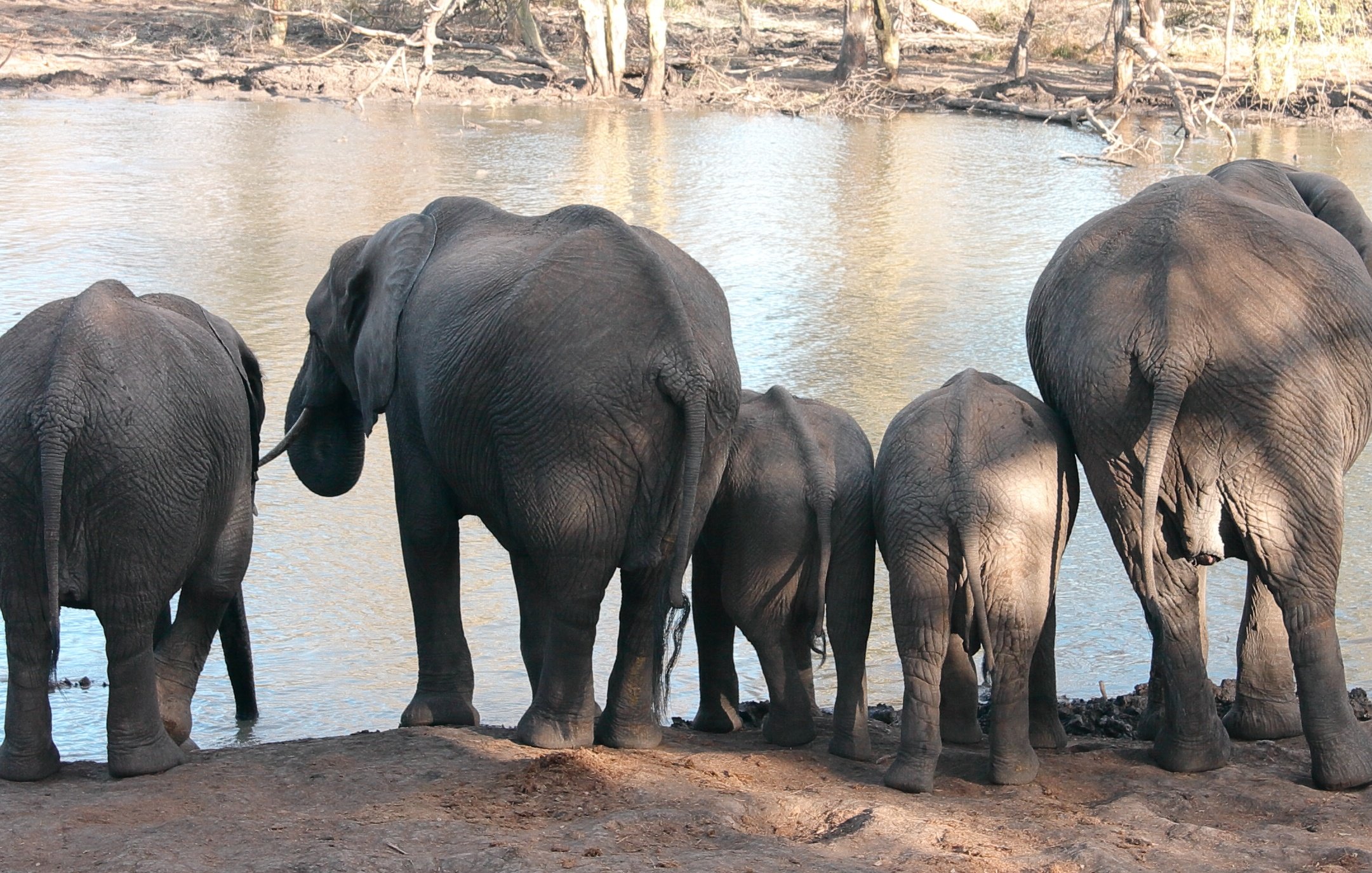
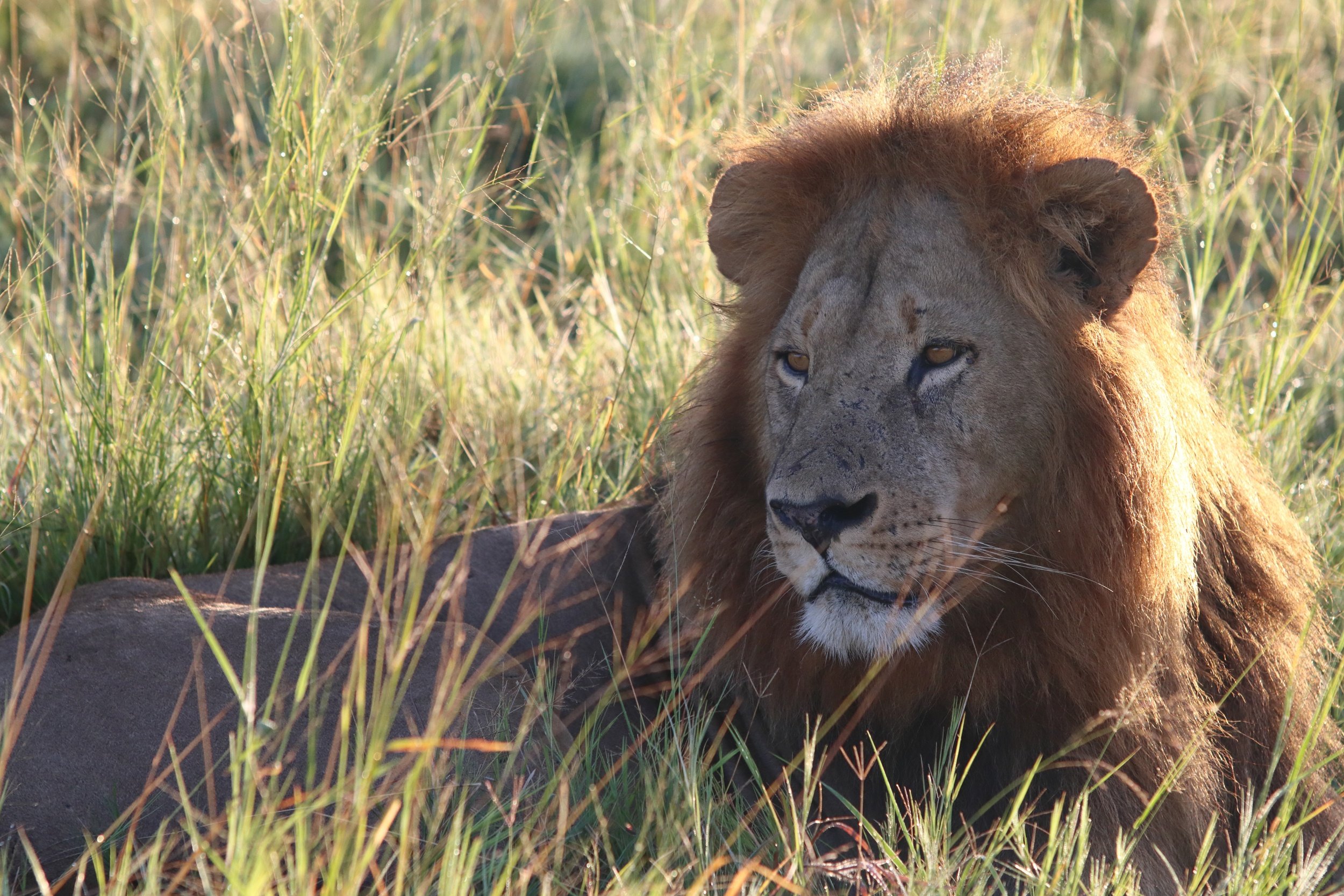
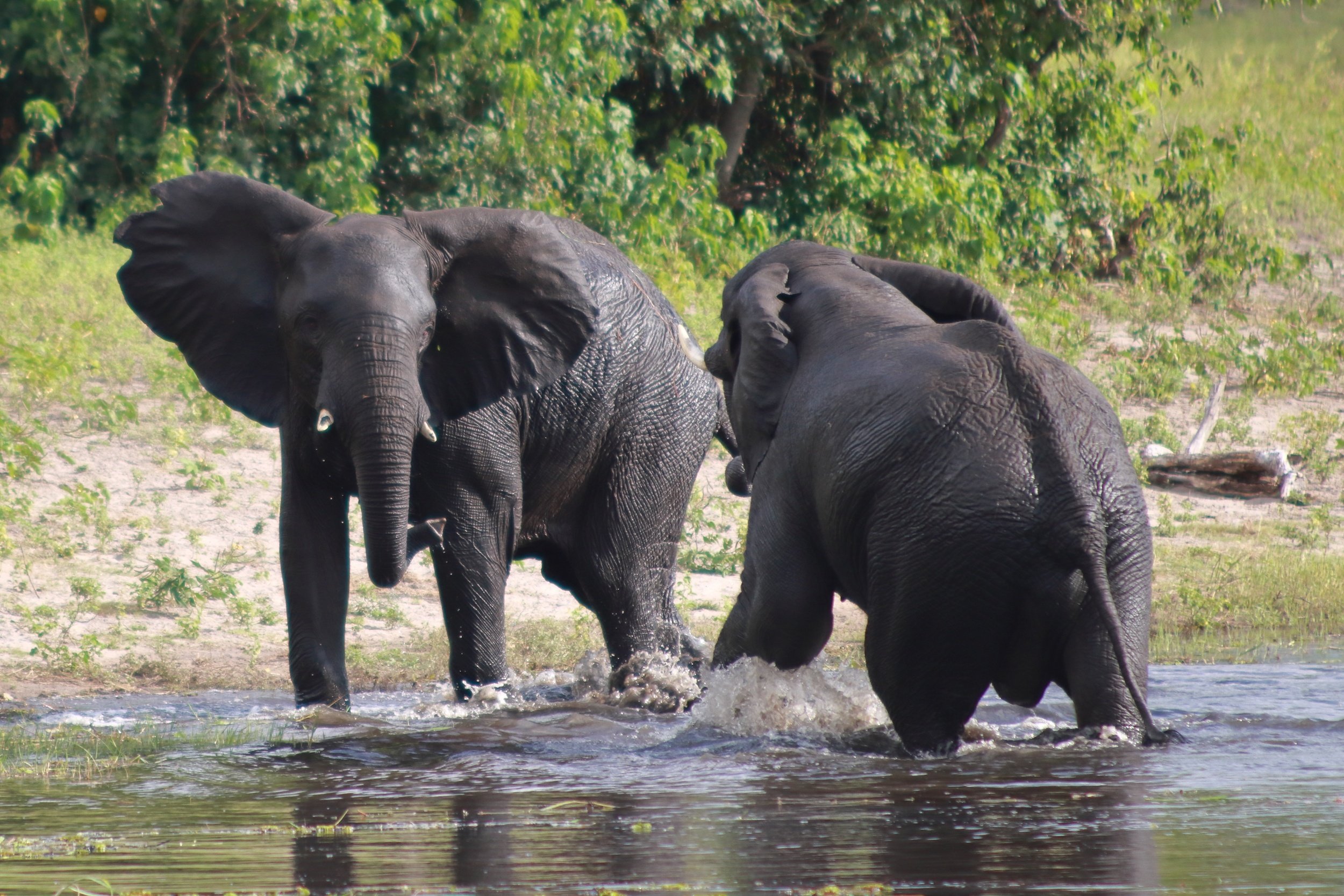
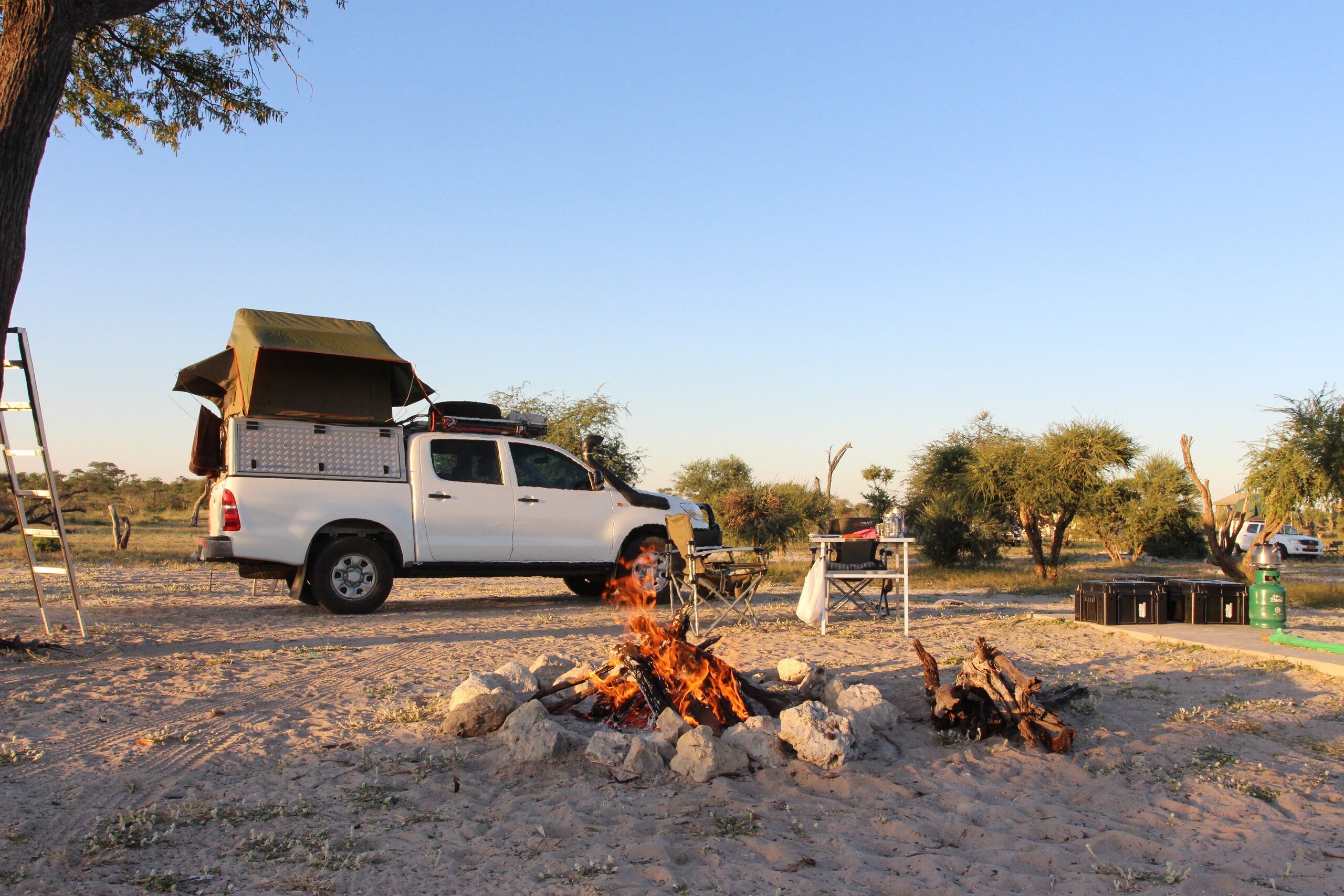
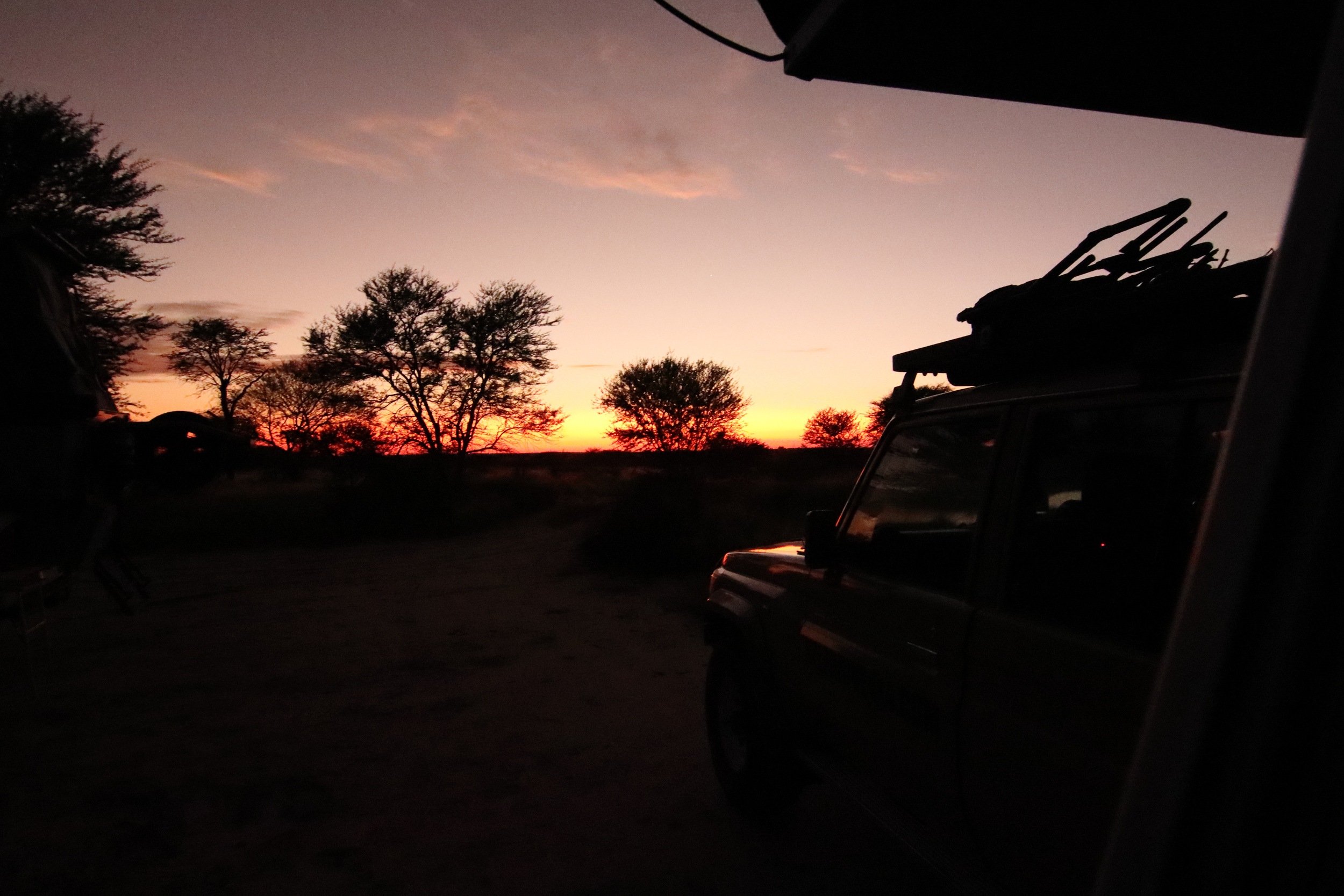
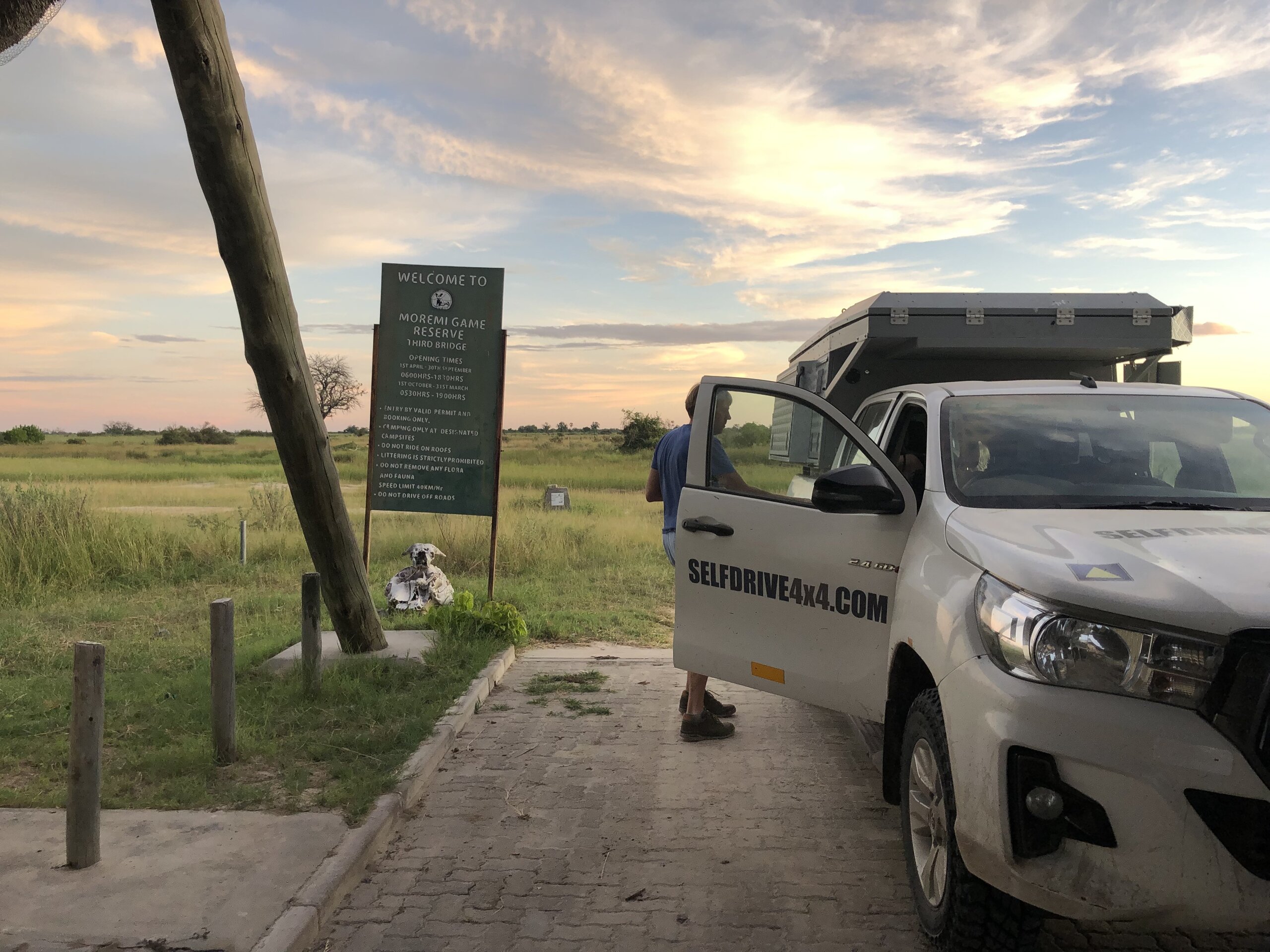
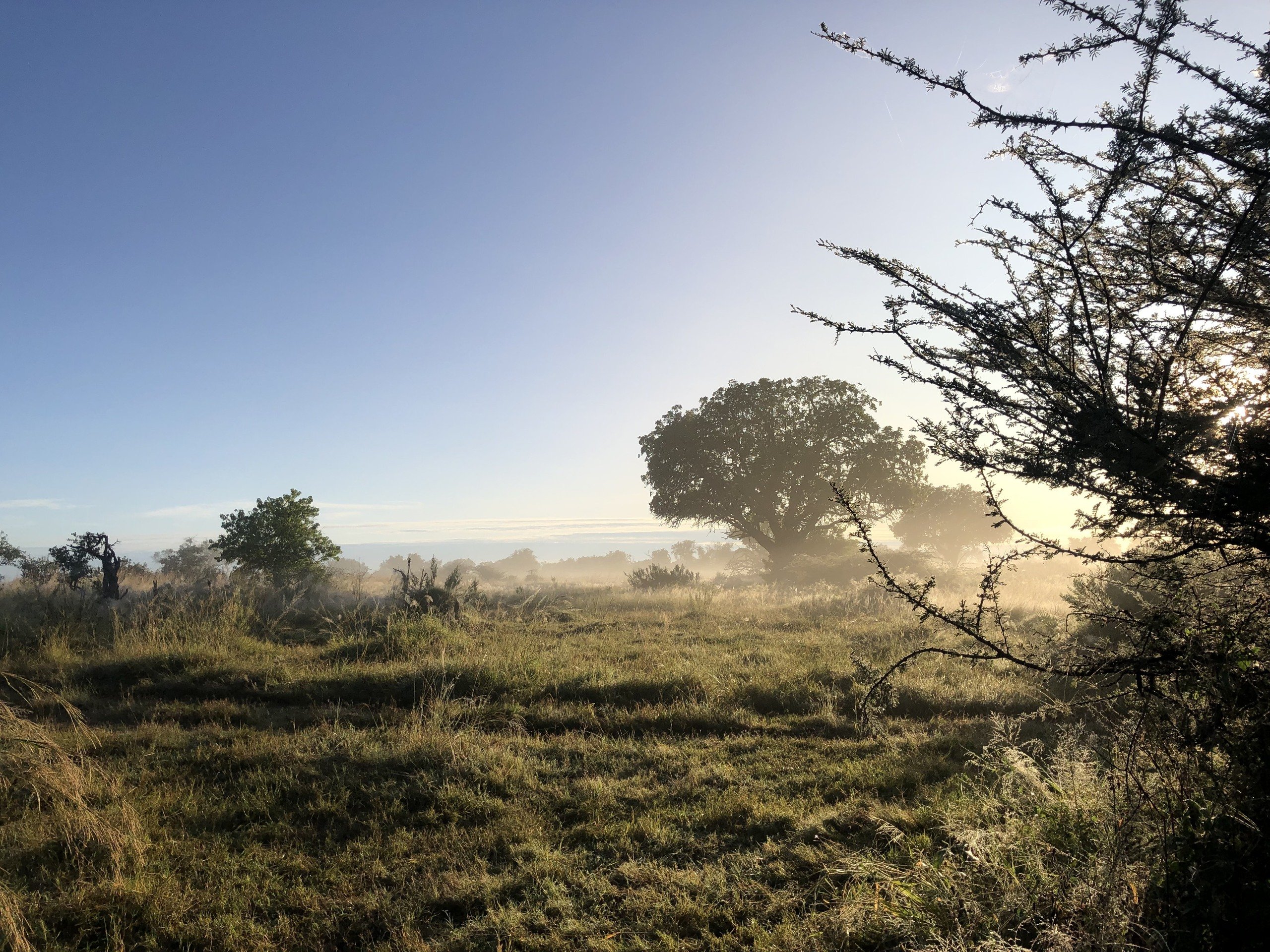
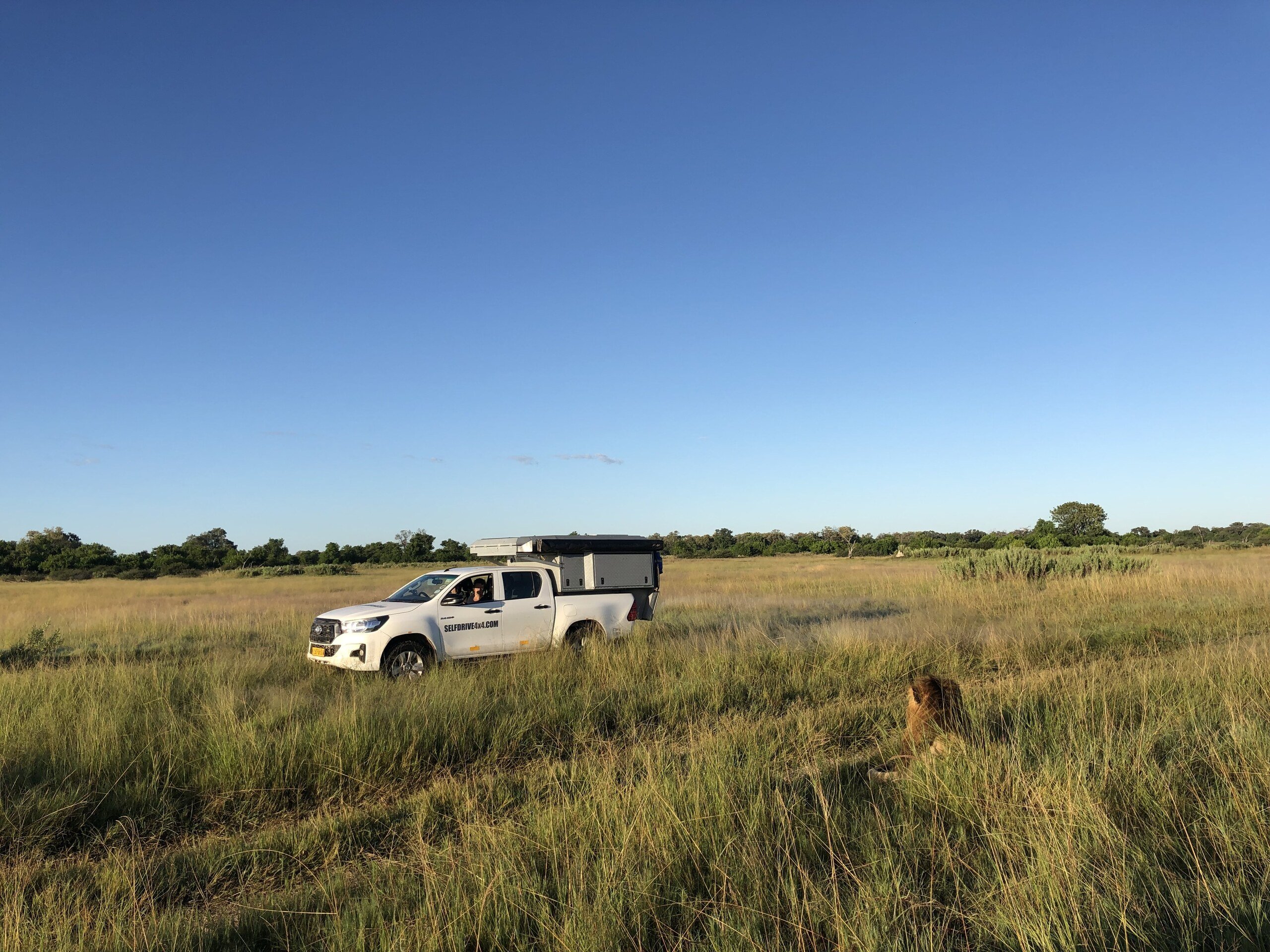
Your story begins the moment you start driving.
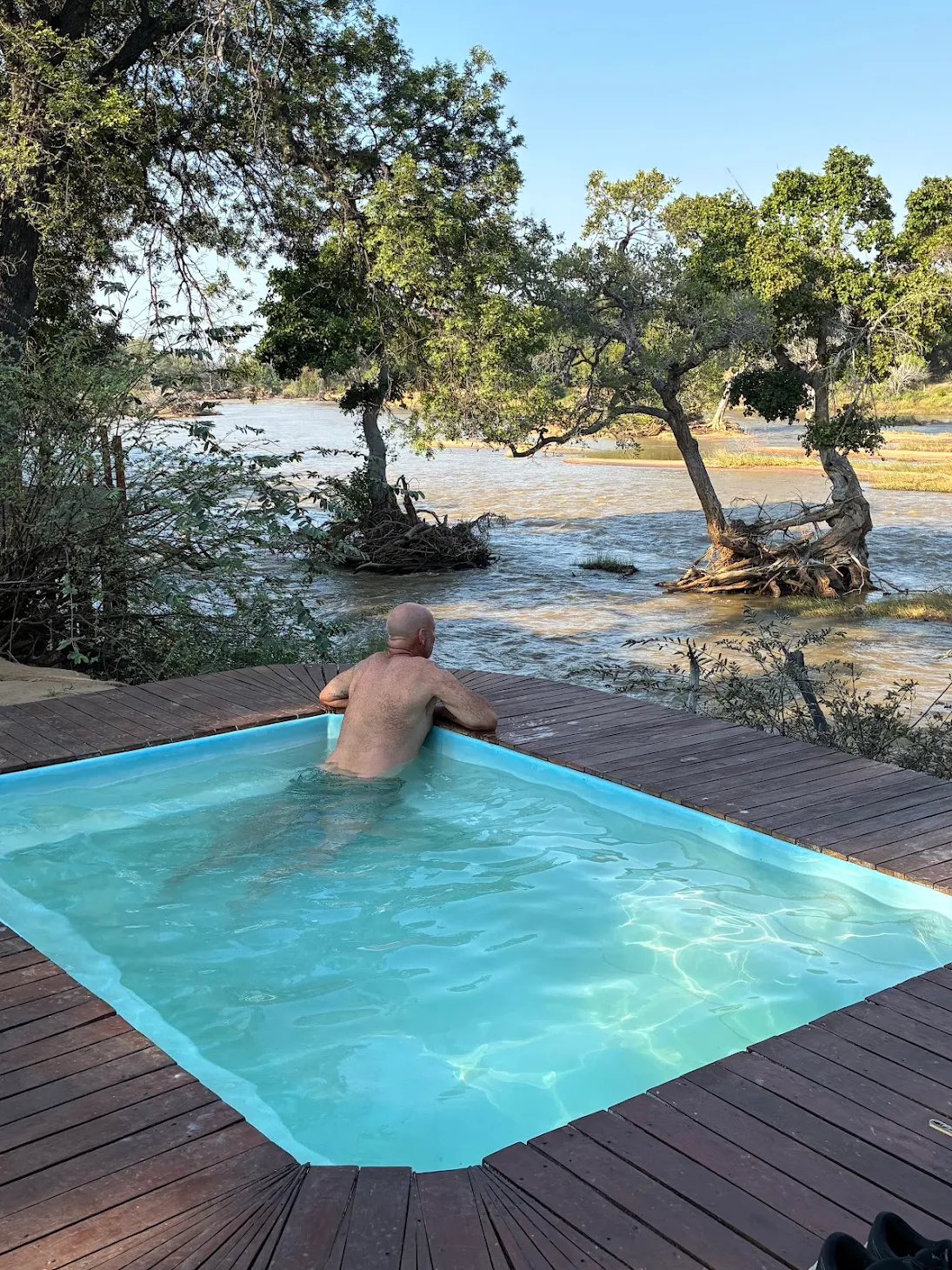
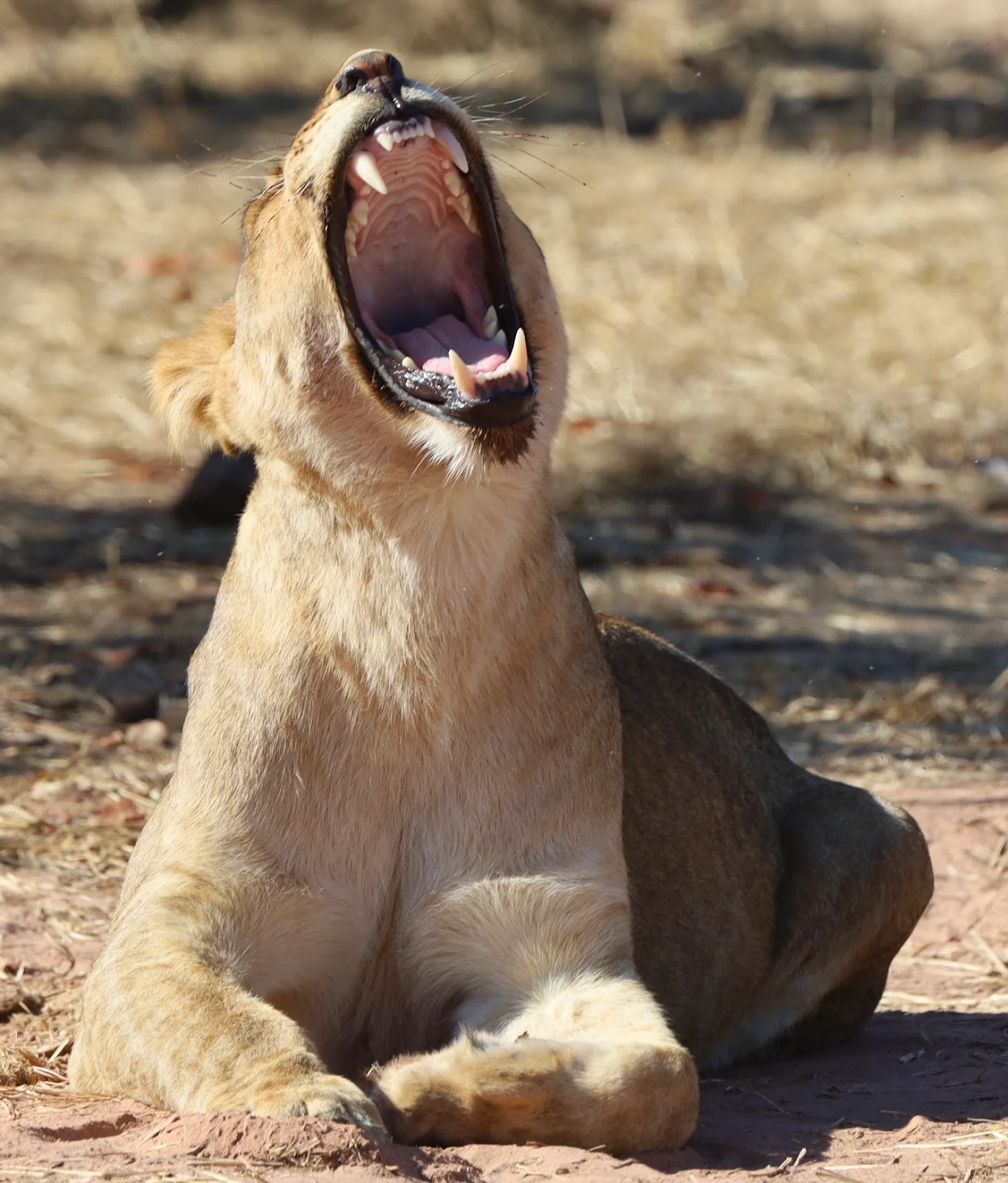
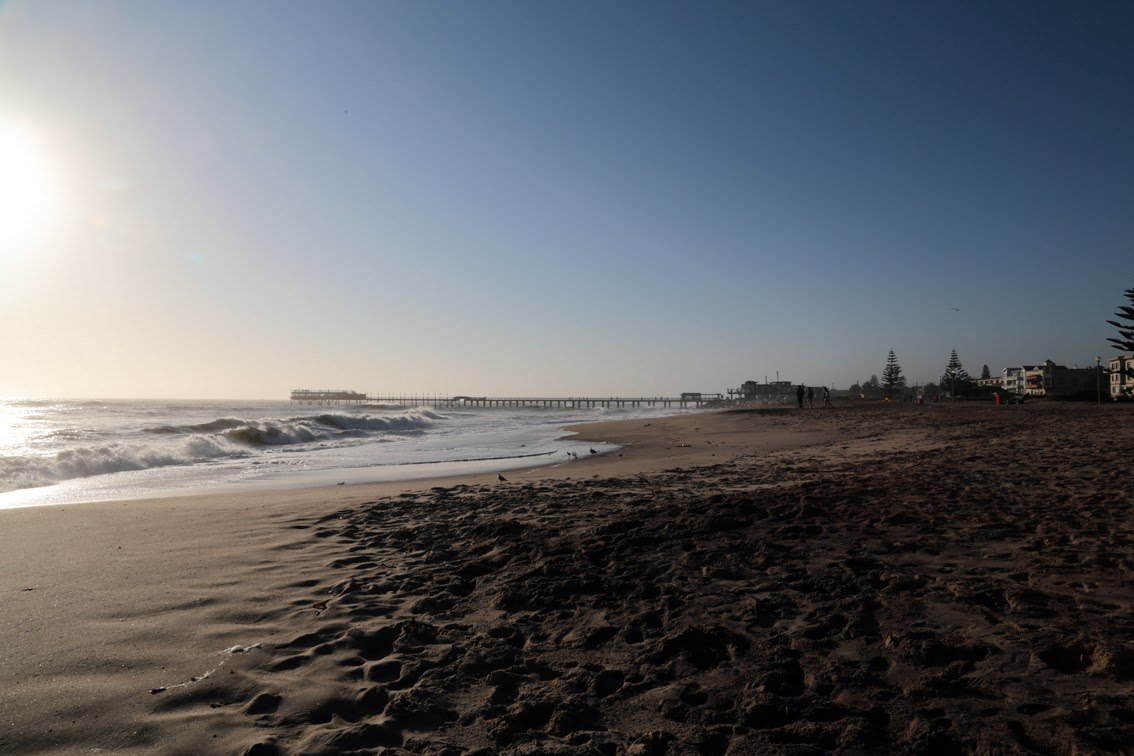
Not quite what you’re looking for?
Every self-drive trip is a starting point, not an endpoint. You can adapt an existing trip or create your own with us. We’ll help you shape the route, choose the right 4x4, find places to stay and prepare for the journey, so everything fits the way you want to travel.
Frequently asked questions.
From driving a 4x4 to routes, preparation and sleeping along the way. Here you’ll find answers to the questions that often come up before you set off.
You can easily visit Victoria Falls in Zimbabwe on a day trip from Botswana. If you're staying near Kasane, it's a rewarding addition to your self-drive journey.
At Victoria Falls, the Zambezi River plunges over a wide cliff edge. Walking along the viewpoints, you'll experience the power of the falling water and the rising mist up close.
The trip involves crossing the border into Zimbabwe, so you'll need to allow for border formalities and may have to submit certain details online in advance.
We'll help you prepare for the crossing and can also arrange transport to Victoria Falls. That way, you can leave your 4x4 behind for the day and take your time exploring the falls.
The vast Makgadikgadi Salt Pans offer a remarkable landscape to explore by 4x4. But crossing them isn't always possible. The ground needs to be completely dry and firm enough to drive on, and local advice must confirm that the route is safe to use.
Even when the surface looks dry, soft mud may still lie beneath the hard salt crust. That's why the season alone isn't enough to determine whether a crossing is safe.
We'll help you with detailed route maps, check whether your rental company permits the planned crossing and take local conditions into account.
If crossing the pans isn't advisable, we'll help you find an alternative way to experience this remarkable landscape.
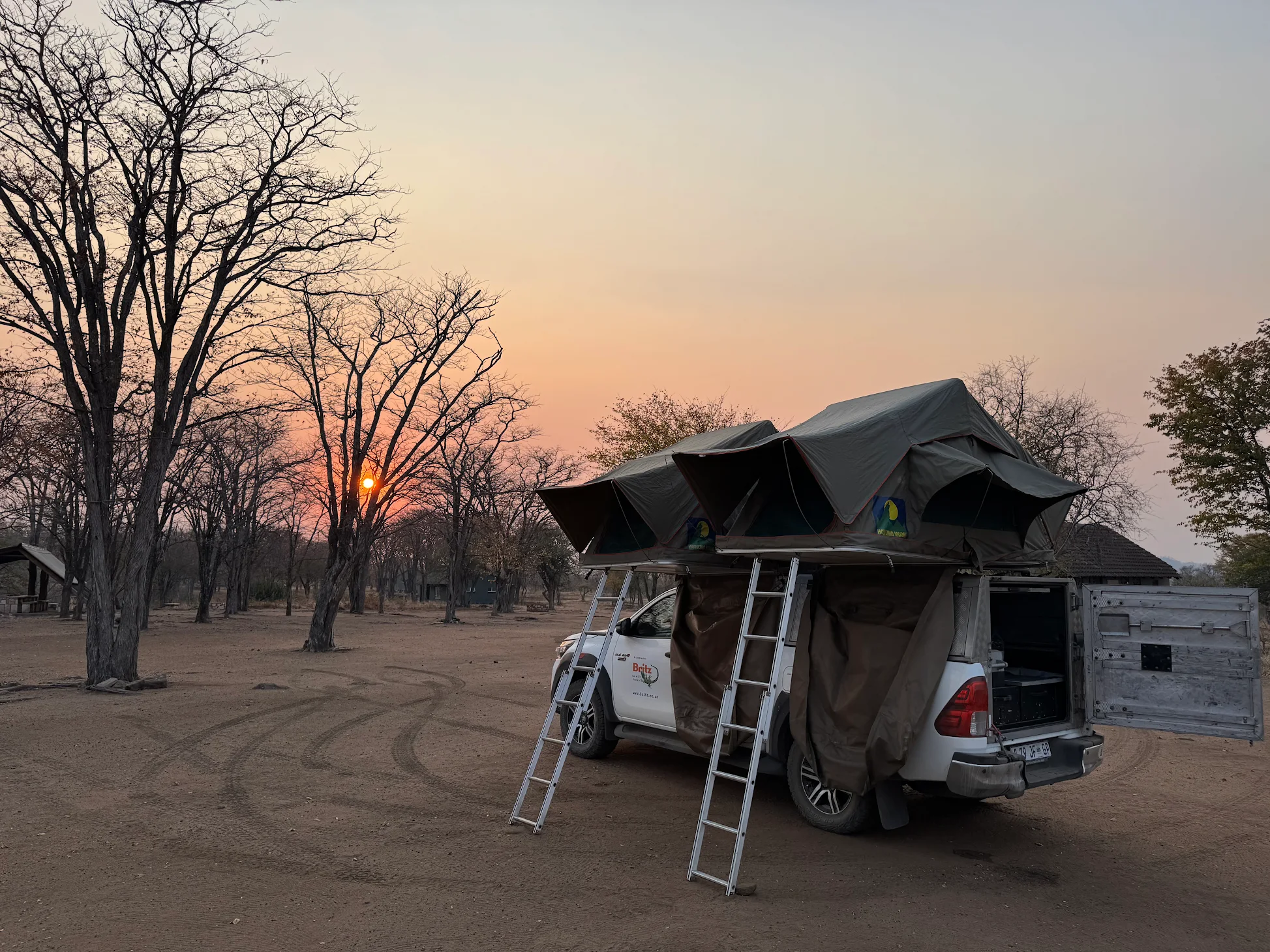
In Botswana, you camp at designated campsites. Many of these are located deep in the wilderness, far from towns and main roads. Some campsites are unfenced, which means wildlife may move through the surrounding area.
That's part of what makes camping in Botswana so special. You'll hear the sounds of the bush and experience how the landscape changes as evening falls.
Camping in areas with wildlife does require care. Always follow the rangers' instructions and the campsite's safety guidelines.
We'll help you choose and book campsites that suit your route, so you can enjoy spending the night surrounded by nature, knowing what to expect.
During your self-drive journey through Botswana, we'll arrange bookings at selected campsites along your route. This ensures your overnight stops fit the journey you're planning.
If we book your campsite in the Central Kalahari Game Reserve, we'll also arrange and pay for the required park entry fees and permits associated with that stay.
Your travel itinerary will clearly show which campsite reservations, entry fees and permits are included. It will also explain what you need to arrange yourself or pay for locally.
That way, you'll know what's been taken care of before you set off and what to expect along the way.
The deep sandy tracks of Moremi and Savuti require your full attention behind the wheel. Previous sand-driving experience isn't always necessary, but good preparation and confidence in your 4x4 make a real difference.
On some sections, you'll need to lower your tyre pressure to improve traction in the sand. We'll explain how to do this according to the rental company's guidelines and when to inflate your tyres back to the correct pressure.
Not every route is suitable for someone without off-road experience. That's why we consider your driving skills, travel season and current conditions before recommending a route.
That way, you'll know what to expect and can set off well prepared.
It's wise to book your campsites and lodges in Botswana well before your trip. In wildlife areas such as Moremi, Savuti, Khwai and Chobe, camping spaces are limited. Popular locations are often fully booked months in advance.
These remote campsites are part of what makes a self-drive journey through Botswana so memorable. You'll spend the night surrounded by nature, sometimes with wildlife nearby. Planning ahead helps ensure you stay in places that fit your route.
Through our long-standing partnerships with local campsites, we secure availability in advance. This gives our travellers access to distinctive camping locations, even where spaces are limited.
We'll take care of the reservations and plan your route around the available overnight stops. That leaves you free to focus on the landscapes, wildlife and experience of driving through Botswana.
Our 14-day Botswana self-drive trips are a good starting point for your first journey through the country. Over two weeks, you'll experience a variety of vast wildlife areas, distinctive landscapes and encounters with animals in the wild.
The route that suits you best depends partly on your 4x4 driving experience. Some sections involve deep sandy tracks and require more off-road driving skills than others.
We'll look at your experience, travel plans and preferred time of year together. That way, we can choose a route that suits you and help you prepare for the conditions along the way, including practical advice on driving through sand.
In Botswana, you can go on safari independently in a 4x4. In wildlife areas such as Chobe National Park, Moremi Game Reserve, Savuti, the Khwai region and the Central Kalahari, you'll follow unpaved tracks in search of wildlife in its natural habitat.
Driving conditions do require preparation. You may encounter deep sand, changing track conditions and, on some routes, water crossings. A suitable 4x4 is essential, along with a good understanding of off-road driving.
Self-driving gives you the freedom to travel at your own pace. You can stop when you spot wildlife and take your time observing the landscape, while staying on permitted tracks and following the rules of each wildlife area.
We'll help you plan your route, prepare for the journey and choose the right 4x4. We'll take your driving experience and the conditions along the way into account, so you know what to expect.
You can explore Botswana throughout the year. The landscape changes considerably with the seasons, and so does what you can expect along the way.
If wildlife viewing is a priority, May to October is often a good time for a self-drive journey. As the dry season progresses, animals gather more frequently around the remaining water sources, making them easier to observe during your drives through the national parks.
Temperatures vary considerably throughout this period. Nights can be cold in June, July and August, particularly if you're camping. By October, daytime temperatures can become very hot.
Water levels in the Okavango Delta are another important factor. Even during the dry season, high water levels can make certain tracks difficult or impossible to drive.
We'll plan your route around the season, current conditions and your 4x4 driving experience, so you have a clear idea of what to expect along the way.
For a self-drive journey through Botswana's wildlife areas, a 4x4 is essential. Many of the places where you can see wildlife in its natural habitat are reached via deep sandy tracks and unpaved park roads.
In areas such as Moremi, Savuti, Chobe and the Central Kalahari, driving conditions can vary considerably. Soft sand, deep ruts and remote tracks require a suitable 4x4, proper preparation and some understanding of off-road driving.
A 4x4 allows you to explore these areas independently and travel at your own pace. Which routes are suitable depends on your driving experience and the conditions during your travel season.
We'll help you choose a suitable 4x4 and plan a route that matches your experience and travel plans.
Related trips
Namibia Self-Drive 14 Days
Namibia Himba and Kaokoland