
Makgadikgadi Pans National Park
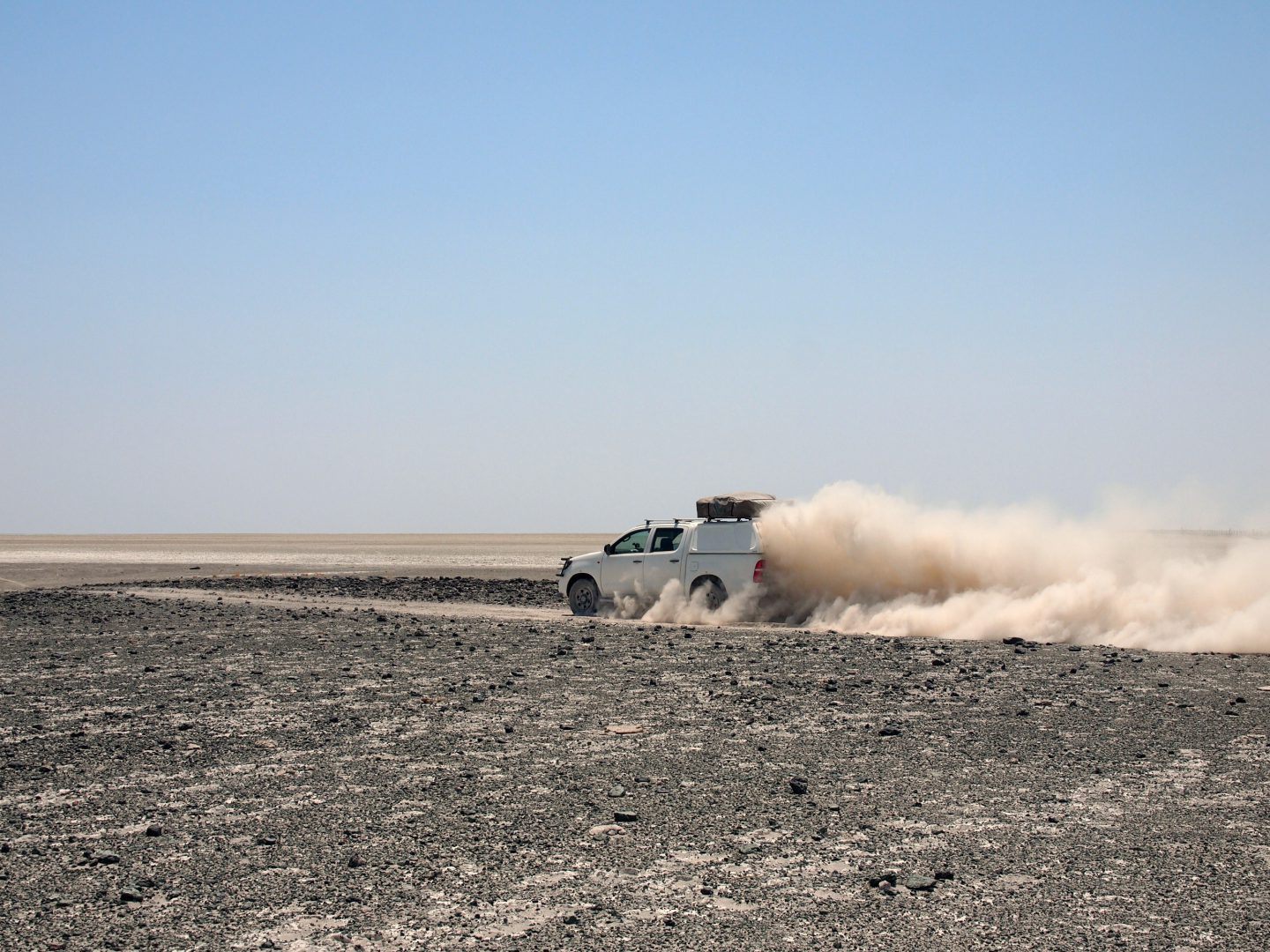
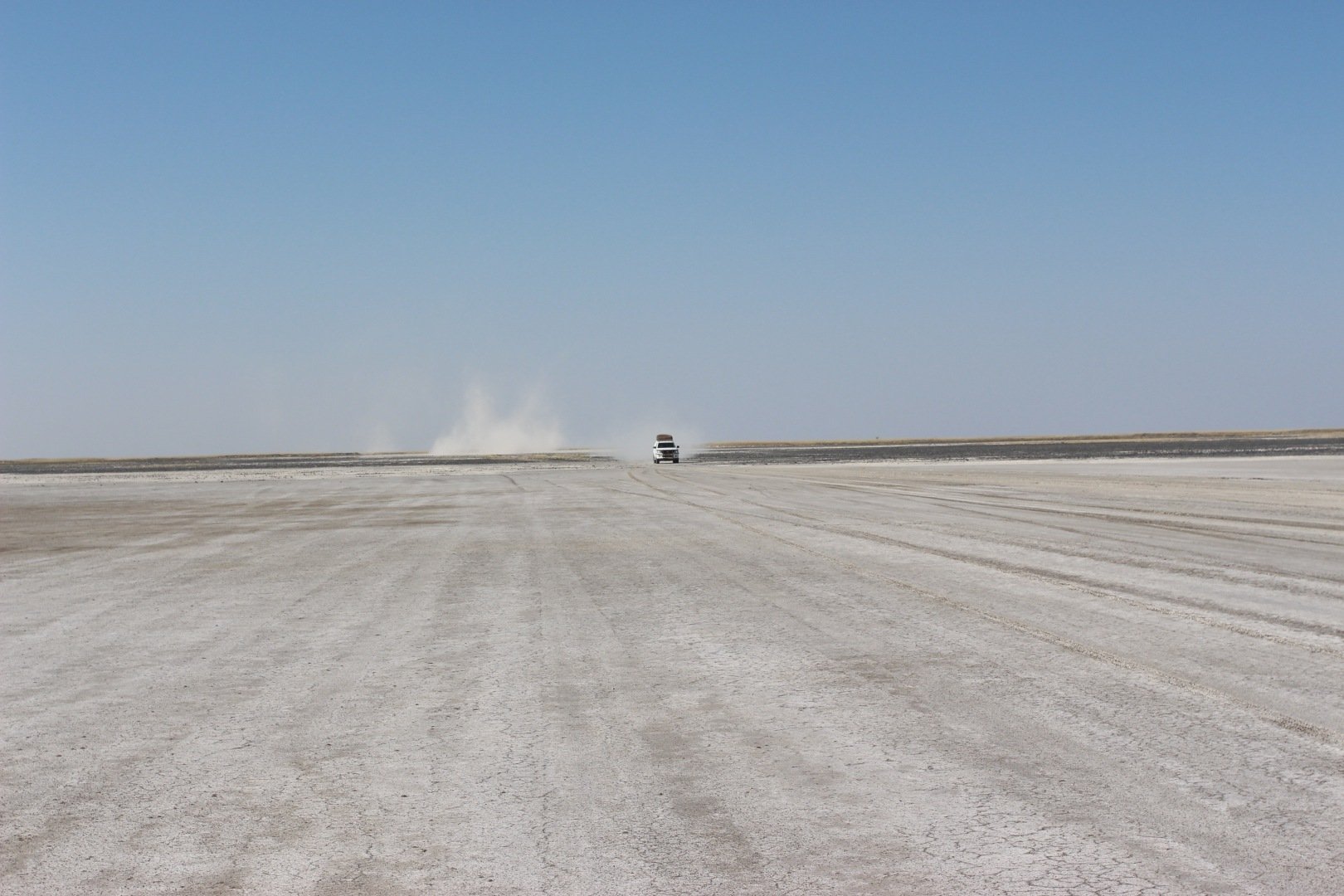
White all the way to the horizon. The Makgadikgadi salt pans consist of the Sowa, Nxai and Nwetwe pans and together cover 12,000 km². Dry and empty in summer. Very different once the rain falls.
Discover everything about this location.
Makgadikgadi Salt Pans
The Makgadikgadi Salt Pans form an endless-looking white expanse. The Sowa, Nxai, and Nwetwe pans together make up the 12,000 km² Makgadikgadi Salt Pans. The plains were formed by extreme weather changes about 10,000 years ago, when heat dried up the great lake and left only salt crystals behind. In summer, there is little life due to the drought, but as soon as the rain falls, it becomes an area that attracts many unique animals. Grasses and acacias grow on the edges of the barren salt pans. Near the famous Kubu Island, impressive baobab trees grow.
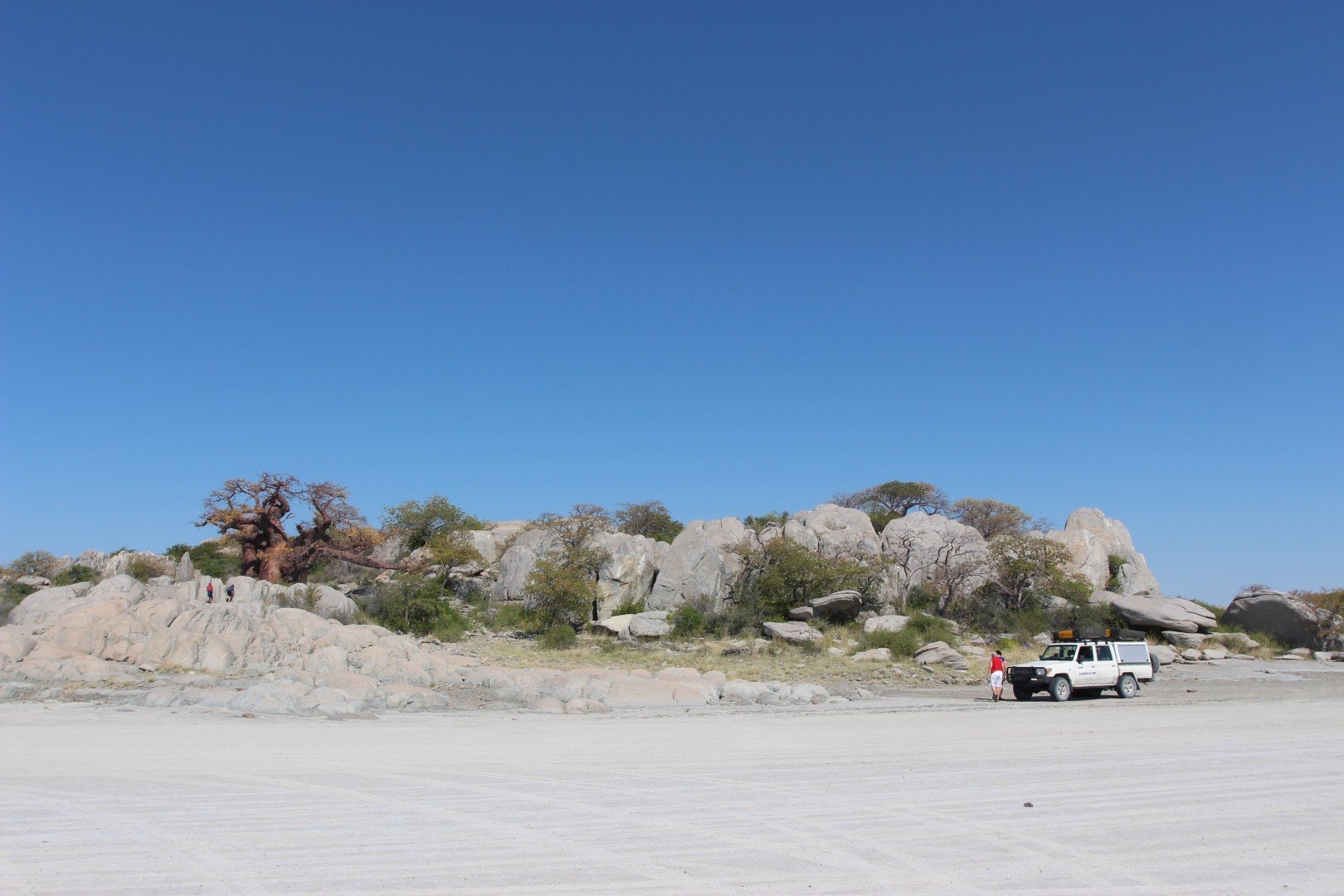
You will find Kubu Island in the southwestern part of the Sua salt pan. It is quite remote and difficult to reach. This is what makes Kubu Island so special. Staying overnight on Kubu Island makes you feel as though you are alone on the salt flats, where you can witness an incredible starry sky. From here, you have a stunning view over the salt pans. The 'island' owes its name to the hippos that used to live here. Kubu means hippo in Setswana.
Selfdrive4x4 offers various trips along the Makgadikgadi Salt Pans.
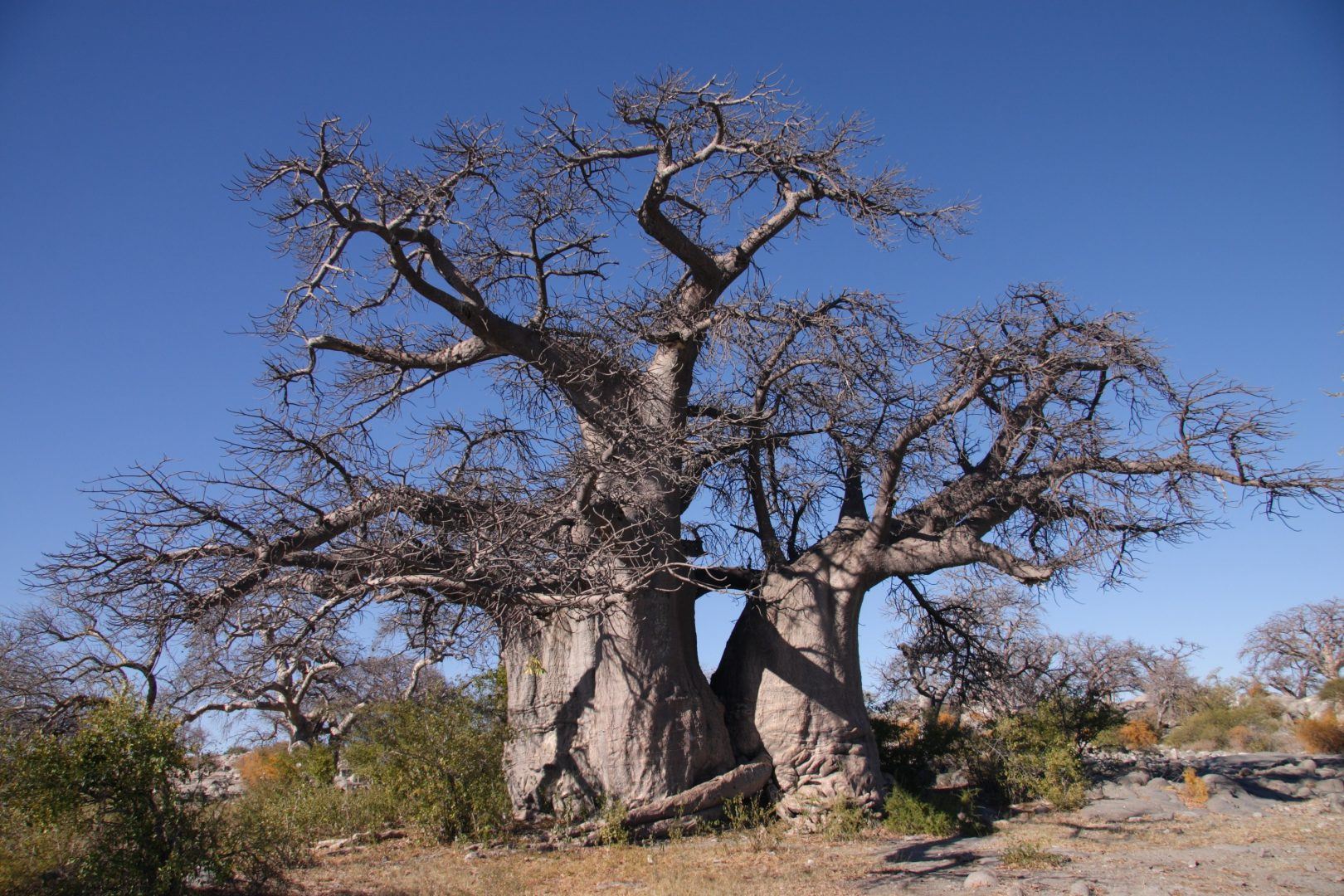
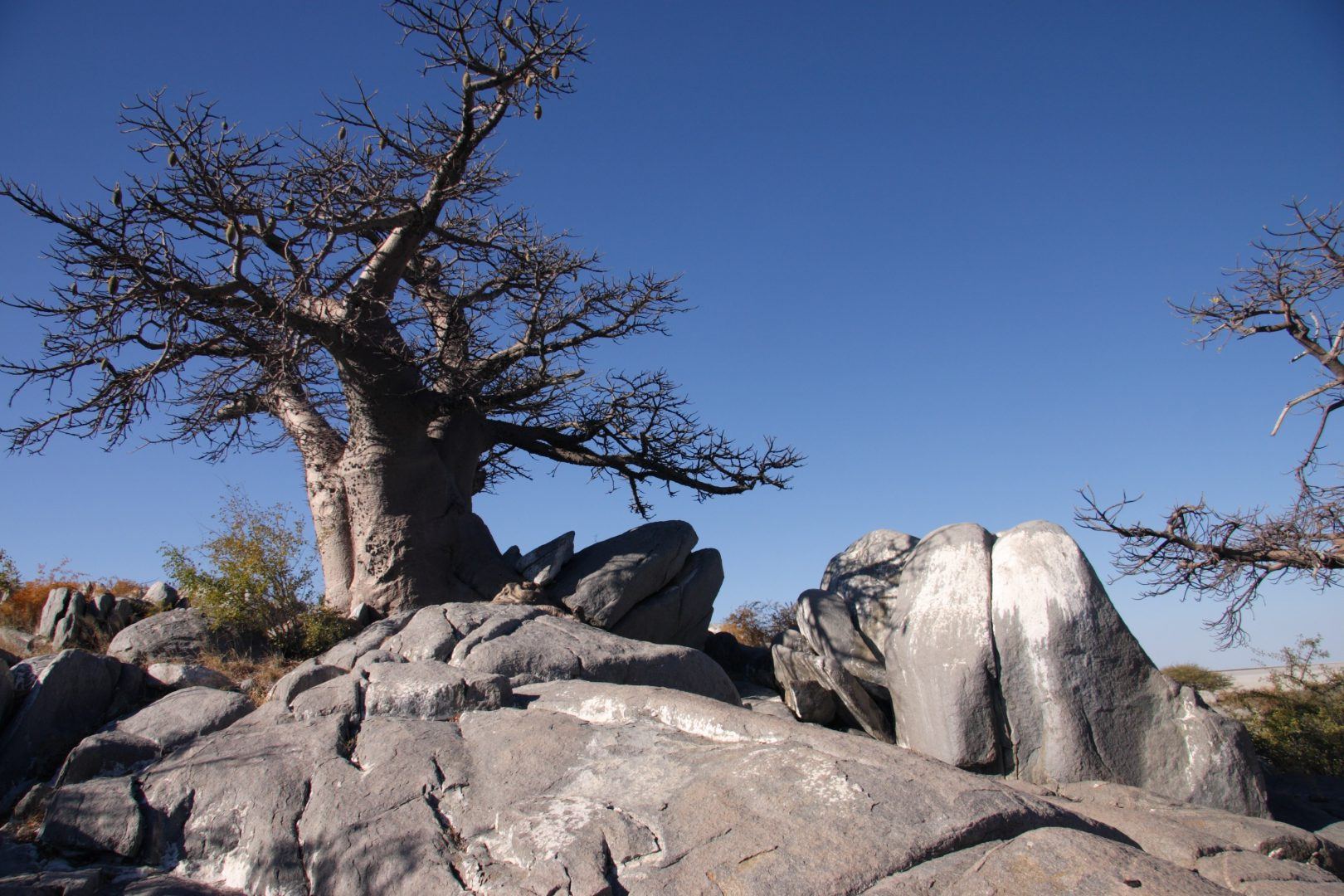
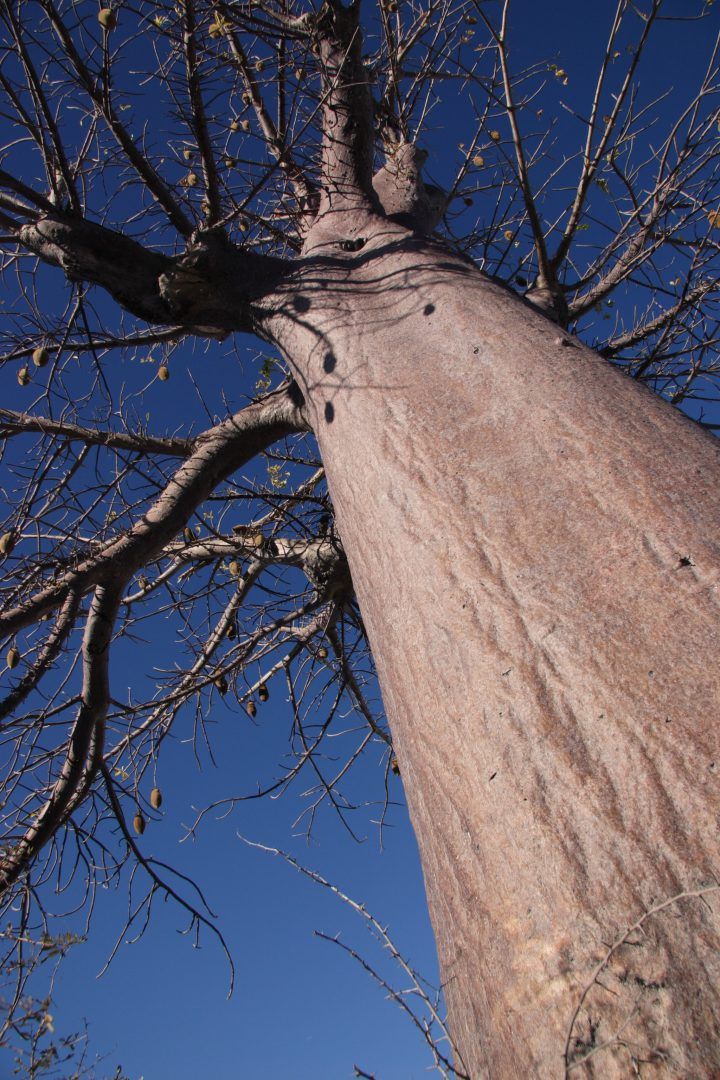
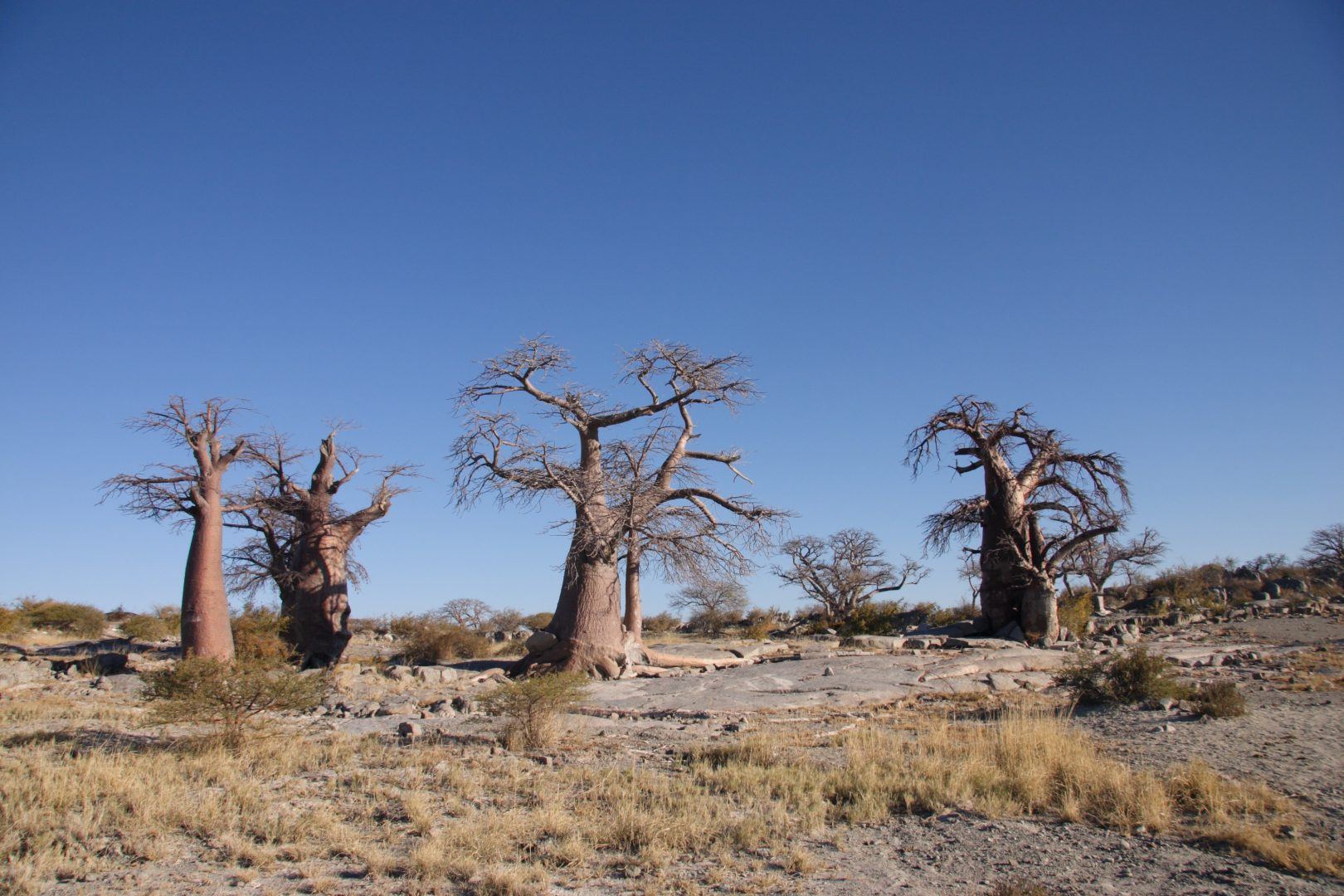
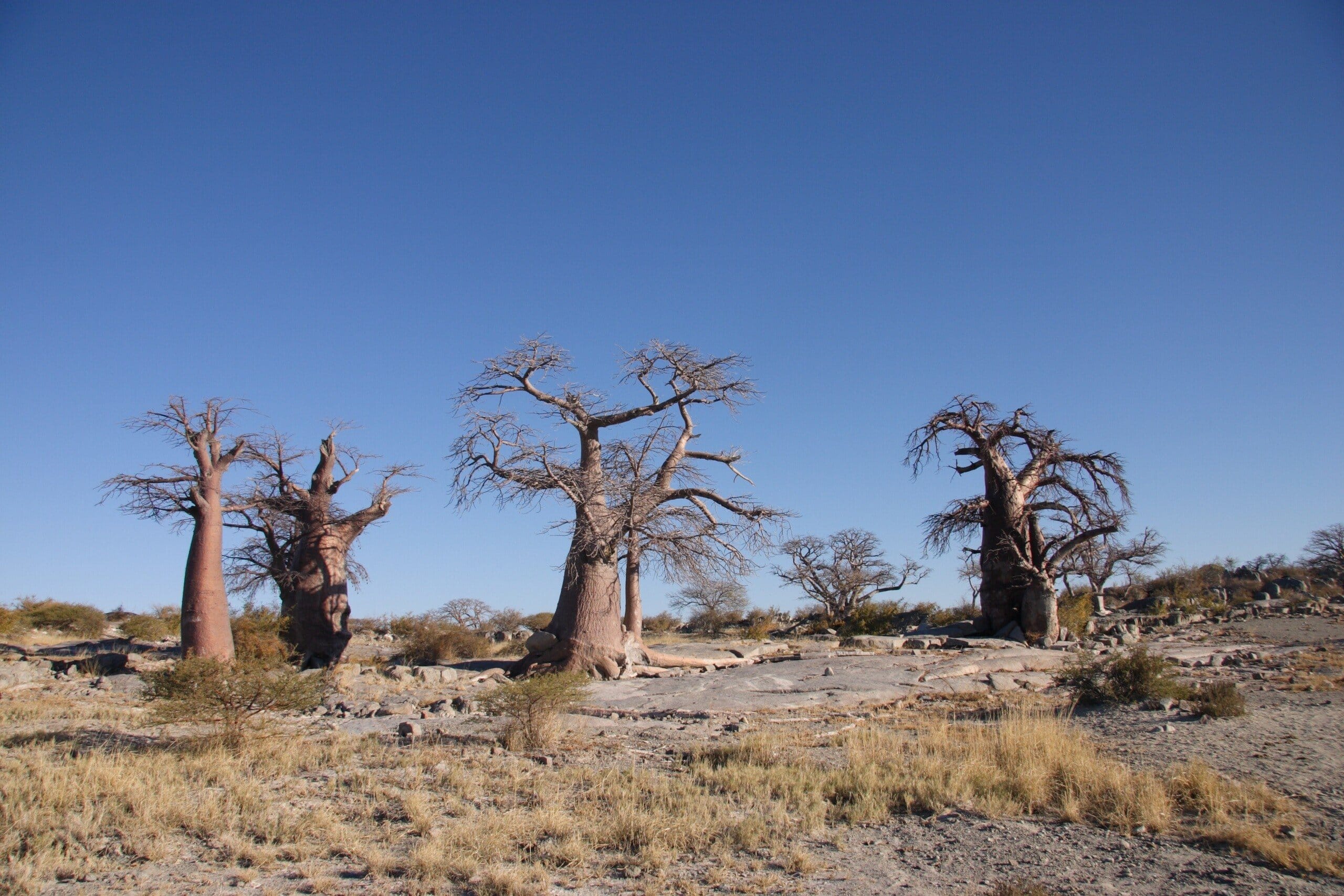
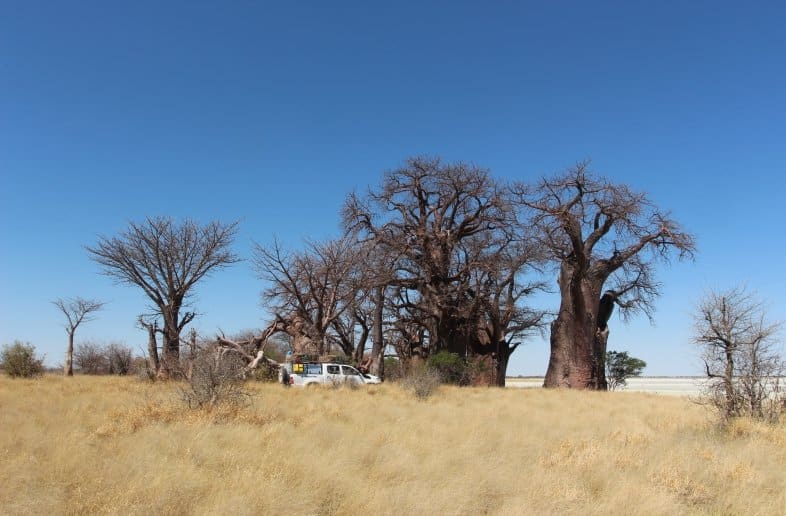
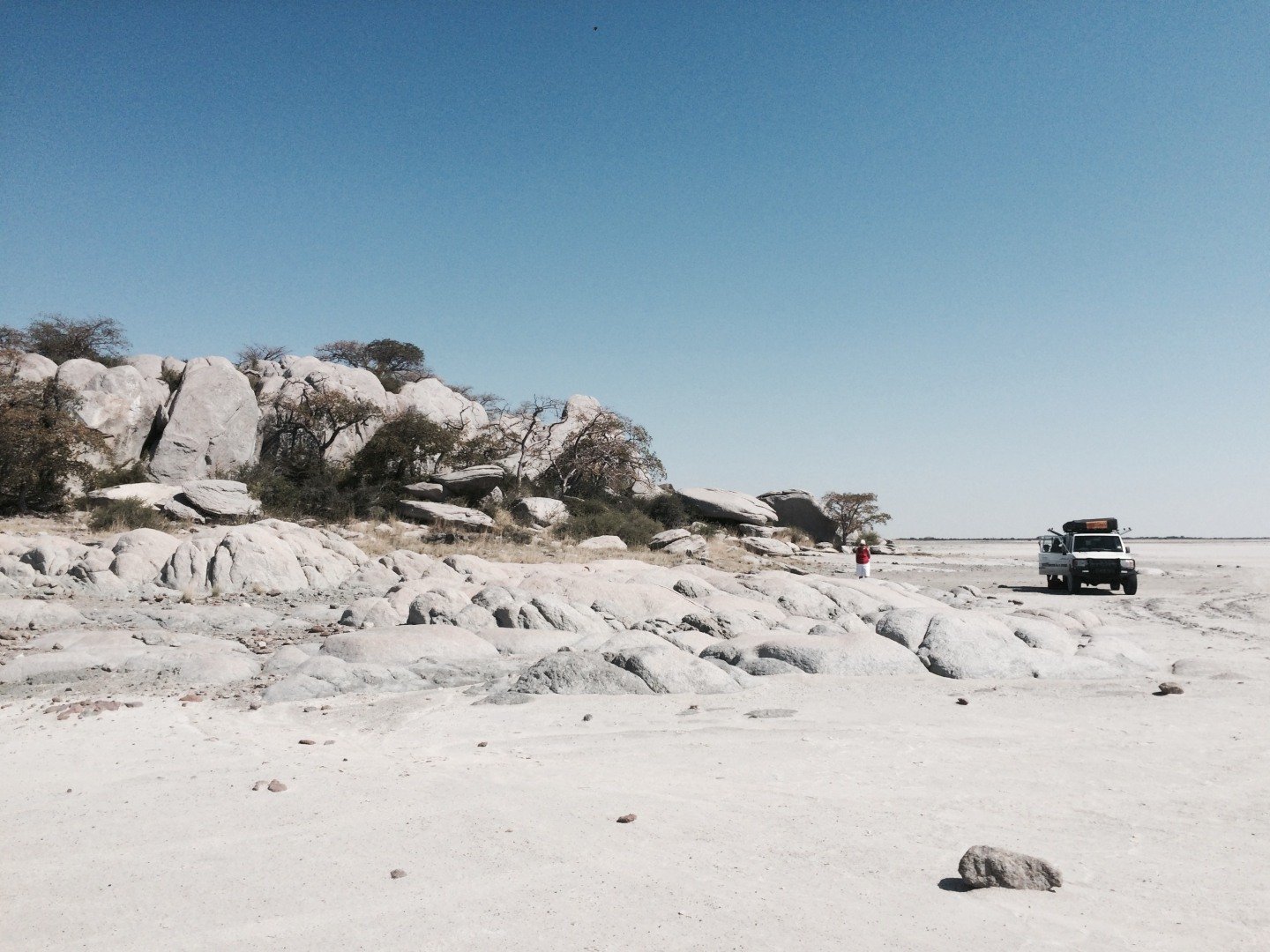
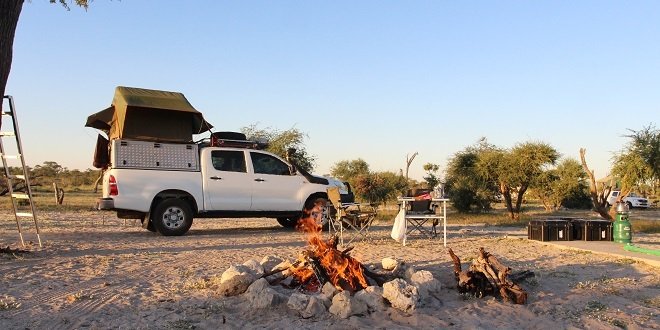
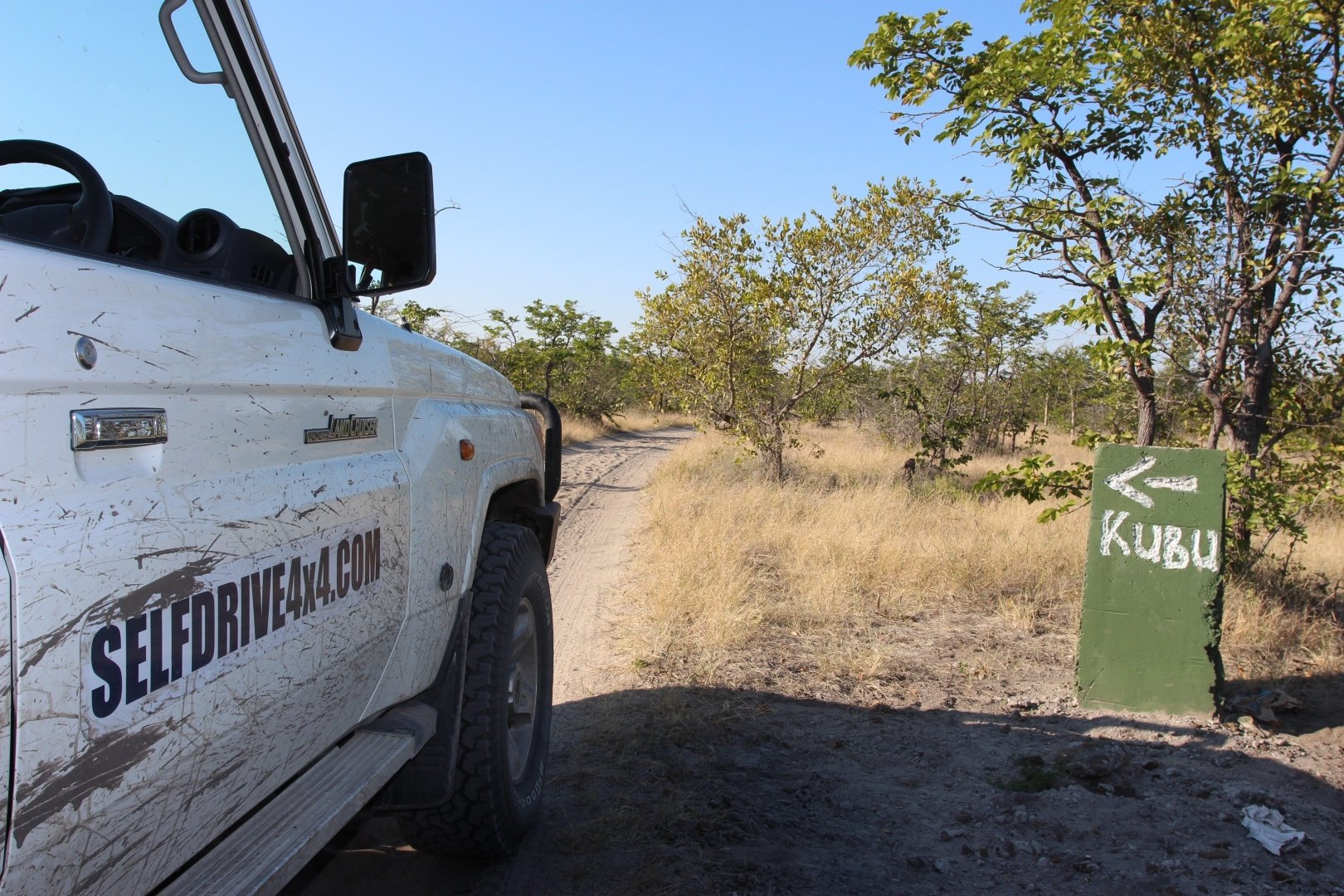
Between salt, acacias, and baobabs.
Kubu Island is located in a remote area in the southwestern part of the Sua Pan. The route there is challenging, but that very isolation is what defines the experience. Large baobabs grow around the island, with the open salt pan stretching out before you.
If you stay the night, what strikes you most is what isn’t there. There is almost nothing between you and the horizon. As soon as it gets dark, all that remains is the starry sky. The name Kubu refers to the hippos that once lived here. In Setswana, ‘kubu’ means hippo.
You can also camp in other spots around the salt pans. At Baines Baobabs, you stay among the large baobabs in Nxai Pan National Park. Khumaga Campsite has ten pitches along the Boteti River in Makgadikgadi National Park. Kubu Island Campsite is situated directly on the vast salt flats.
- Walking trails, game drives, and Kubu Island are among the activities in the area.
- Kubu Island is remote and difficult to reach. That is precisely where a different kind of silence begins.
Bijzondere feiten over
Makgadikgadi Pans National Park
- Grasses and acacias grow along the edges.
- After the rain, the area attracts many unique animals.
- During the dry summer months, there is little life on the plains.
- The salt pan was formed about 10,000 years ago when the great lake dried up.
- The Sowa, Nxai, and Nwetwe salt pans together form an area of 12,000 km².
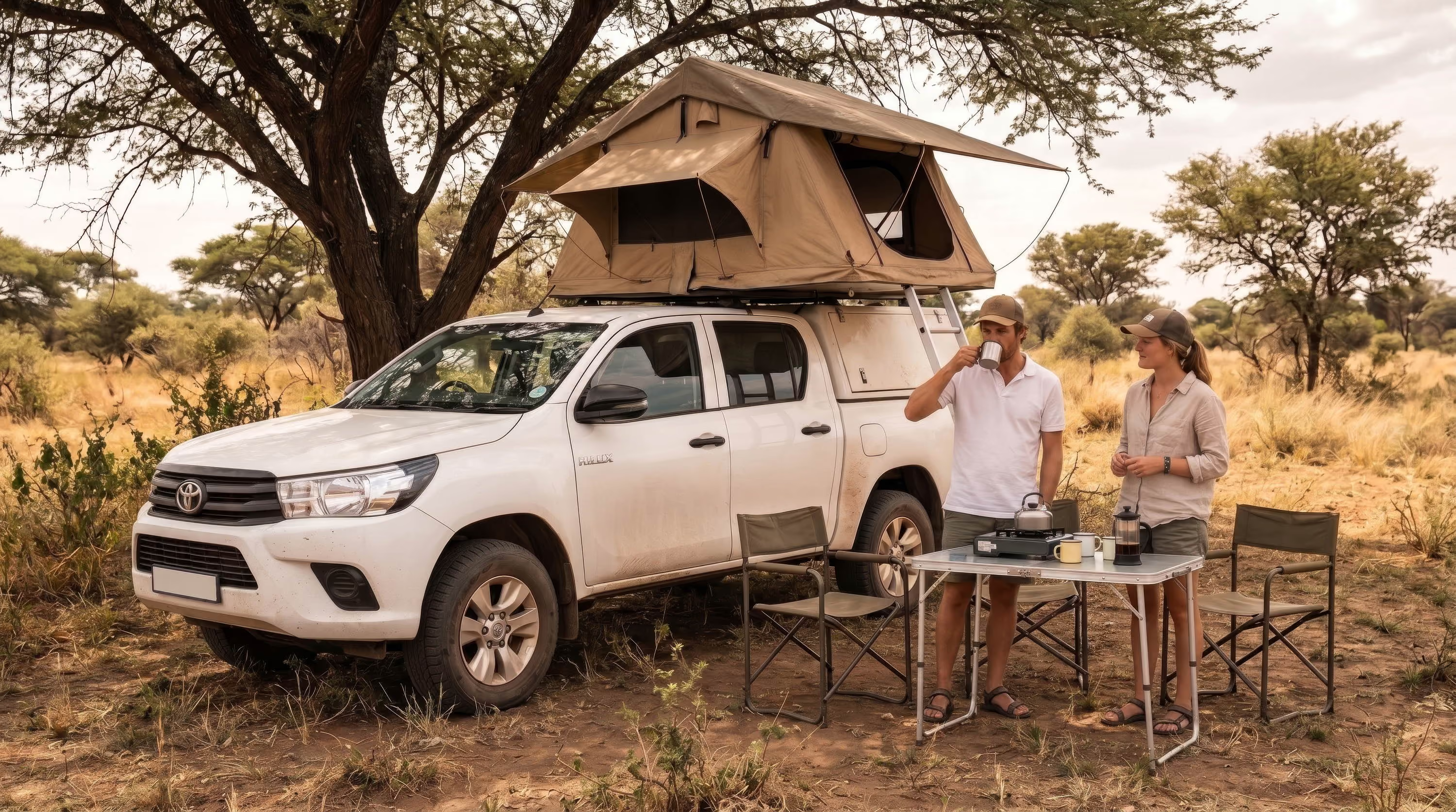
Self-drive trips in the region
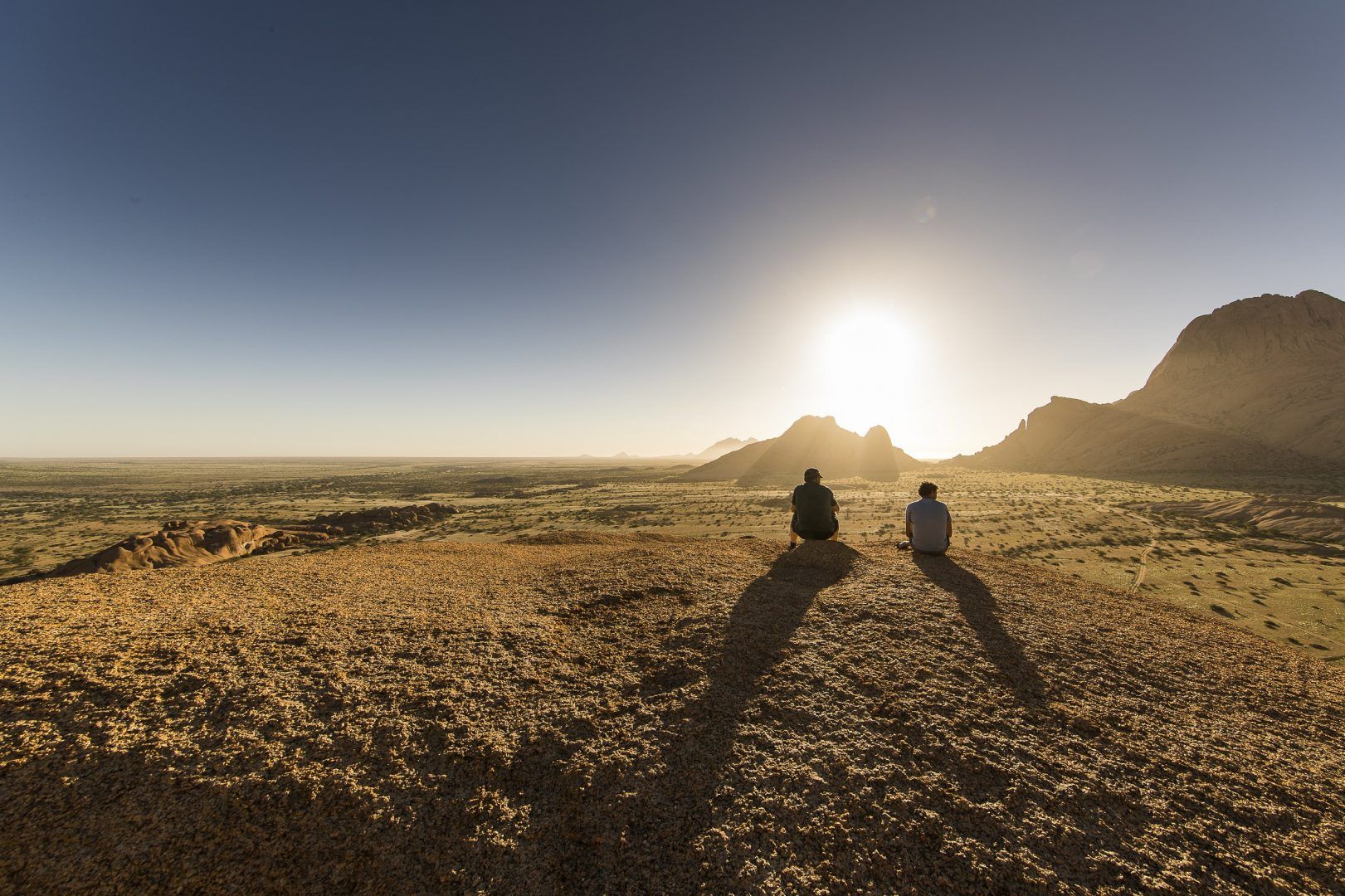


Namibia, Botswana and Victoria Falls self drive
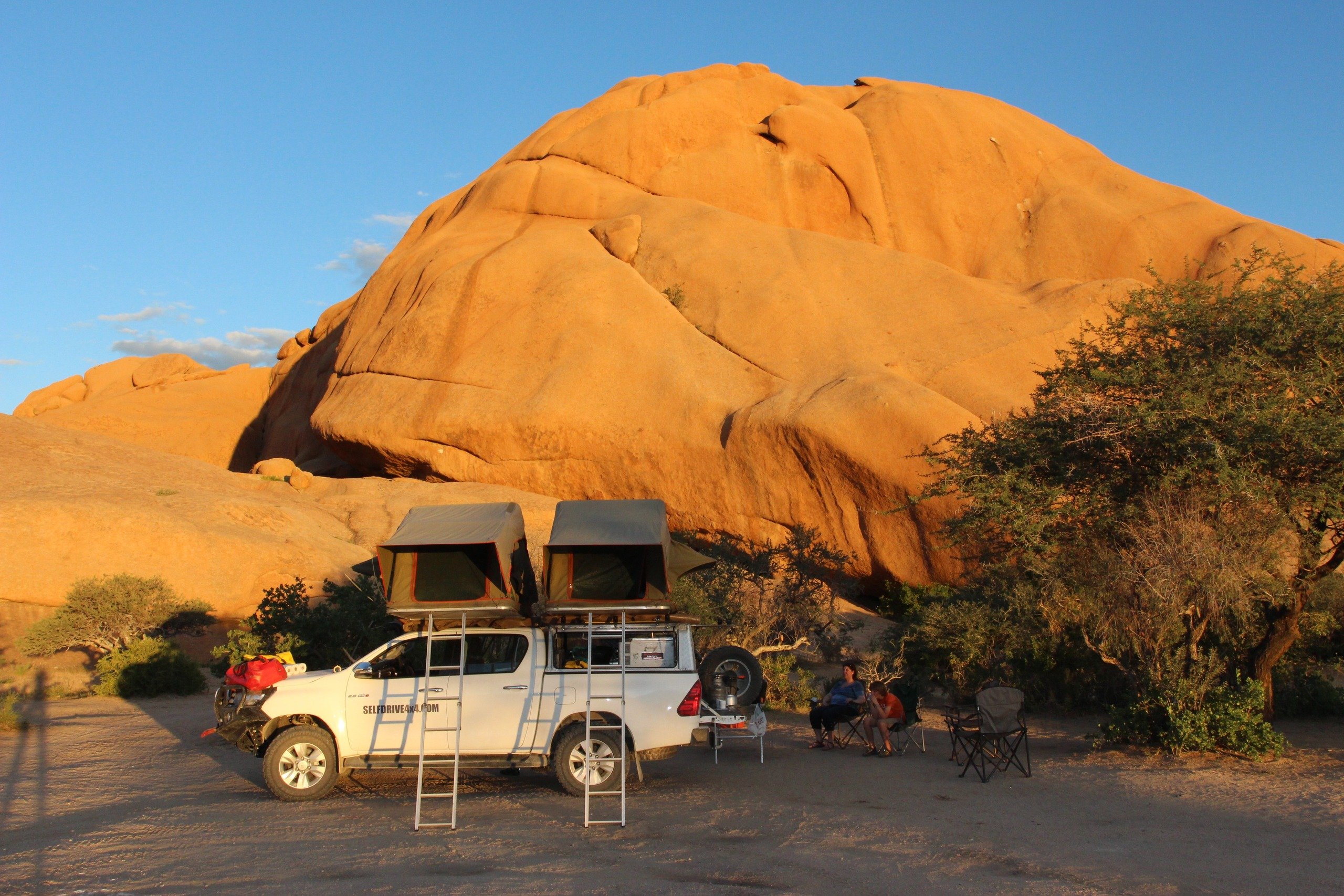
Windhoek - Victoria Falls self-drive