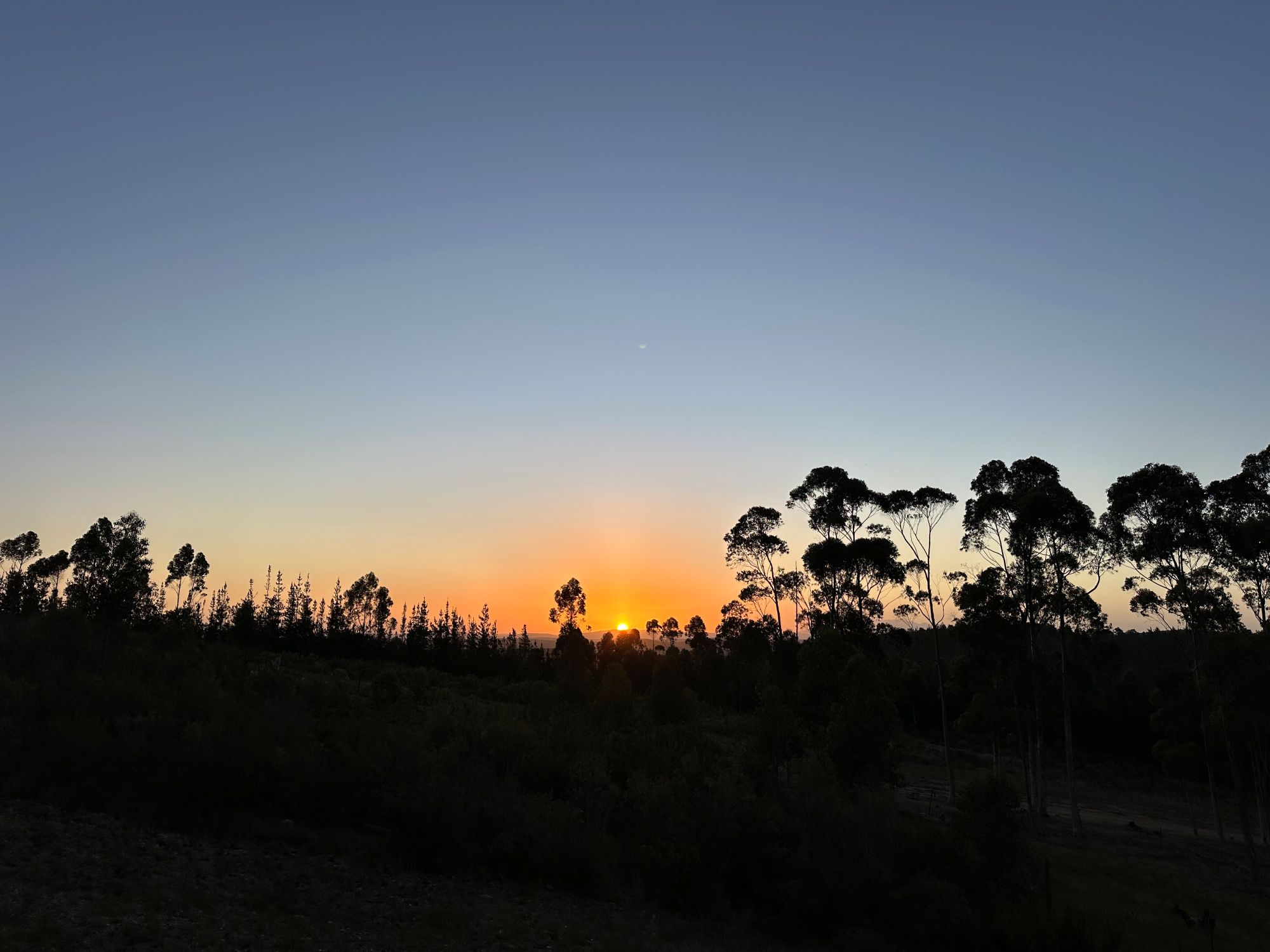

Baviaanskloof Nature Reserve
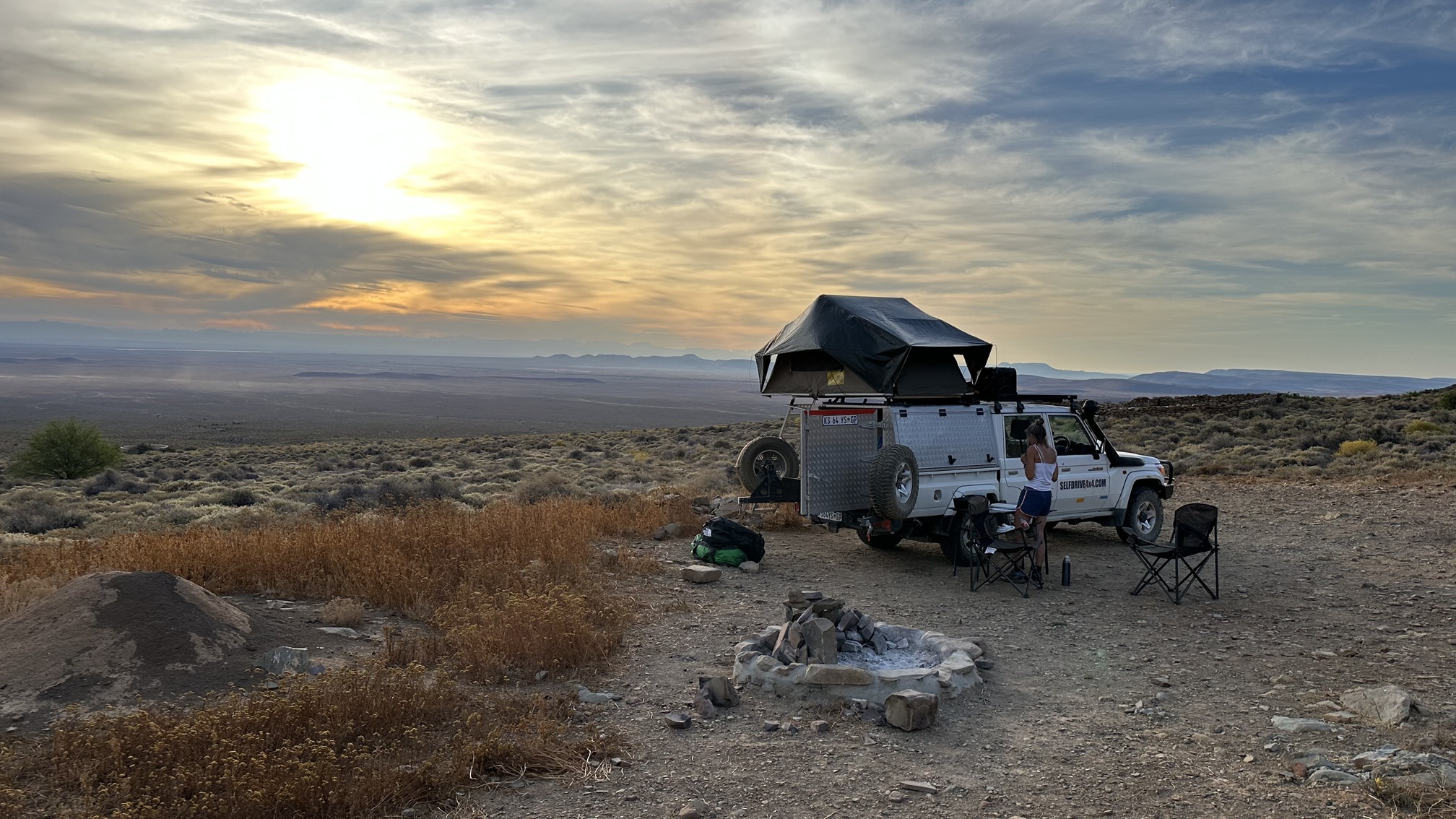
Rivers wind between steep cliffs. The road climbs over mountain passes before dropping back into the valley. In Baviaanskloof Nature Reserve, the landscape sets the pace.
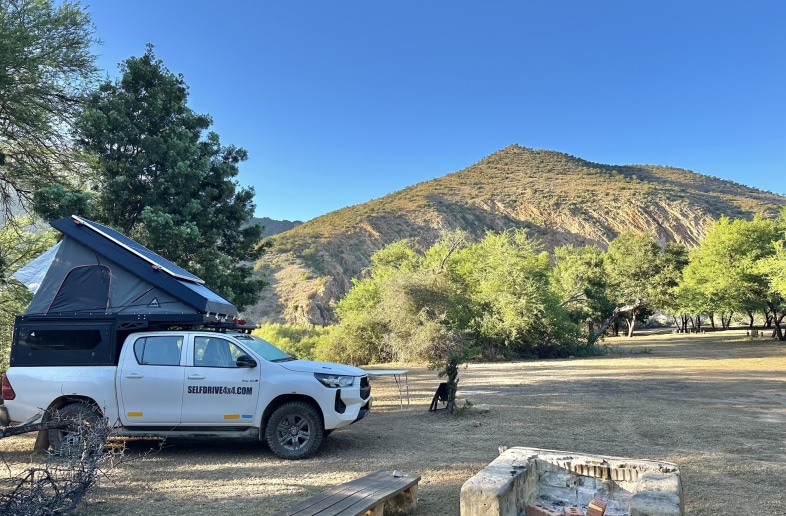
Discover everything about this location.
Out here, the landscape leads the way.
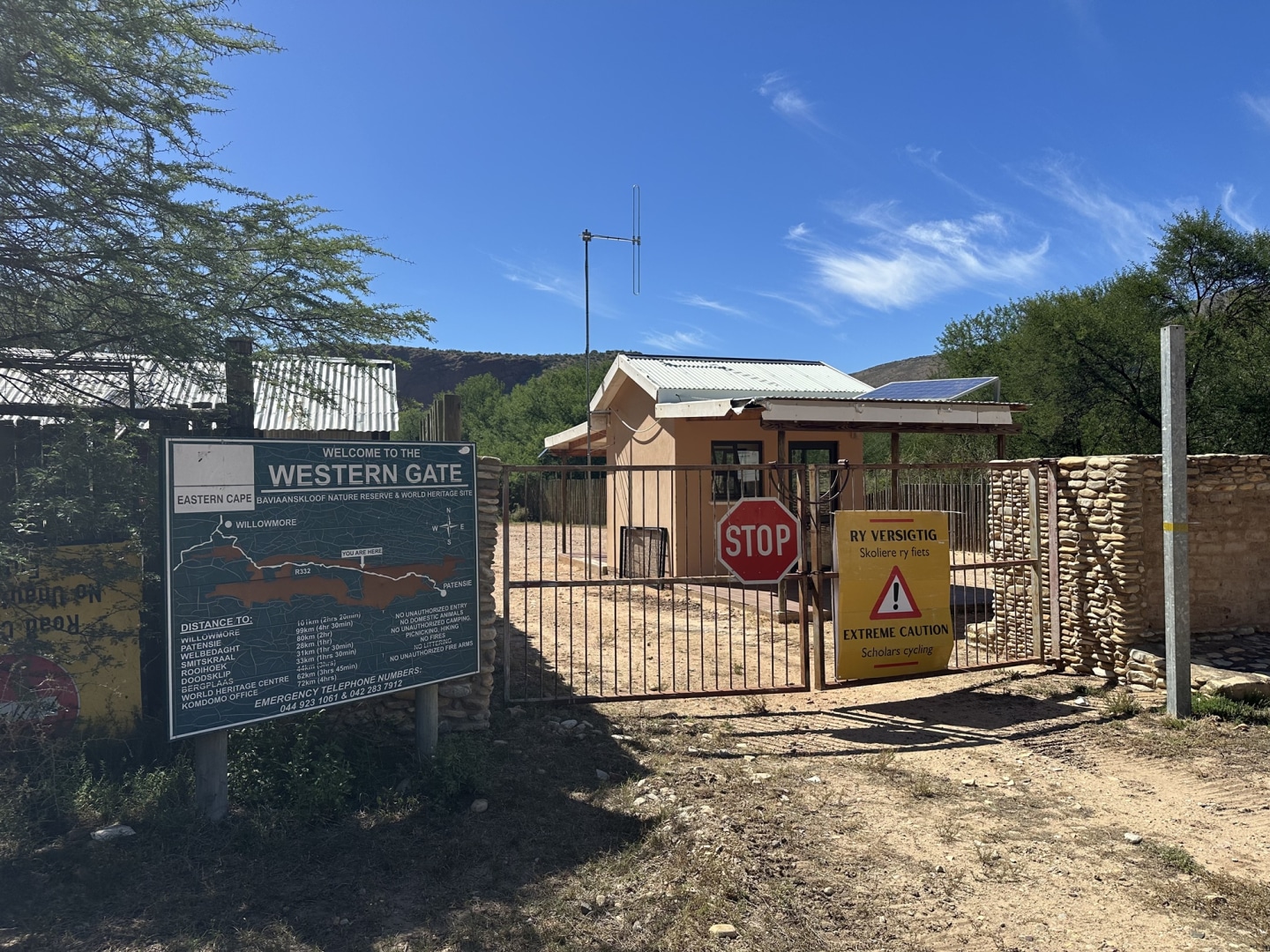
Baviaanskloof Nature Reserve lies in the Eastern Cape, around 120 kilometres west of Port Elizabeth. The protected area stretches from Willowmore in the west to Komdomo campsite in the east.
Between them lie 200 square kilometres of rugged mountain country. Baviaanskloof is the third-largest nature reserve in South Africa and forms part of the Cape Floral Region.
The drive takes you alongside winding rivers, between cliffs and up mountain passes before descending into the valley again. Here, the landscape does more than surround you. It shapes the road ahead.
From mountain pass to valley floor.
A drive through Baviaanskloof keeps changing perspective. Rivers cut their way between cliffs as the road climbs higher into the mountains.
From there, the route drops back towards the valley. The changing terrain means Baviaanskloof rarely looks the same for long, even when you are simply following the road ahead.
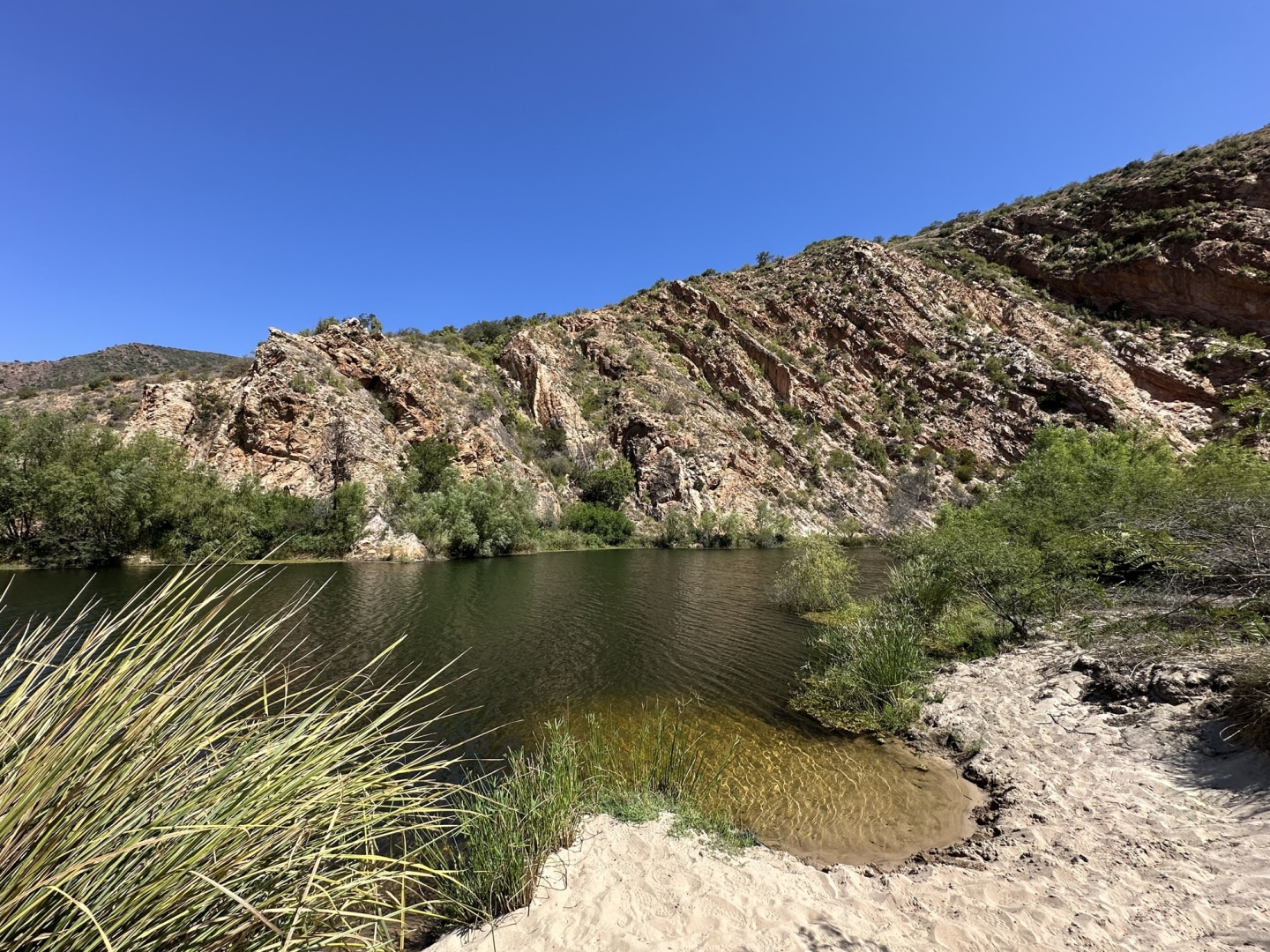
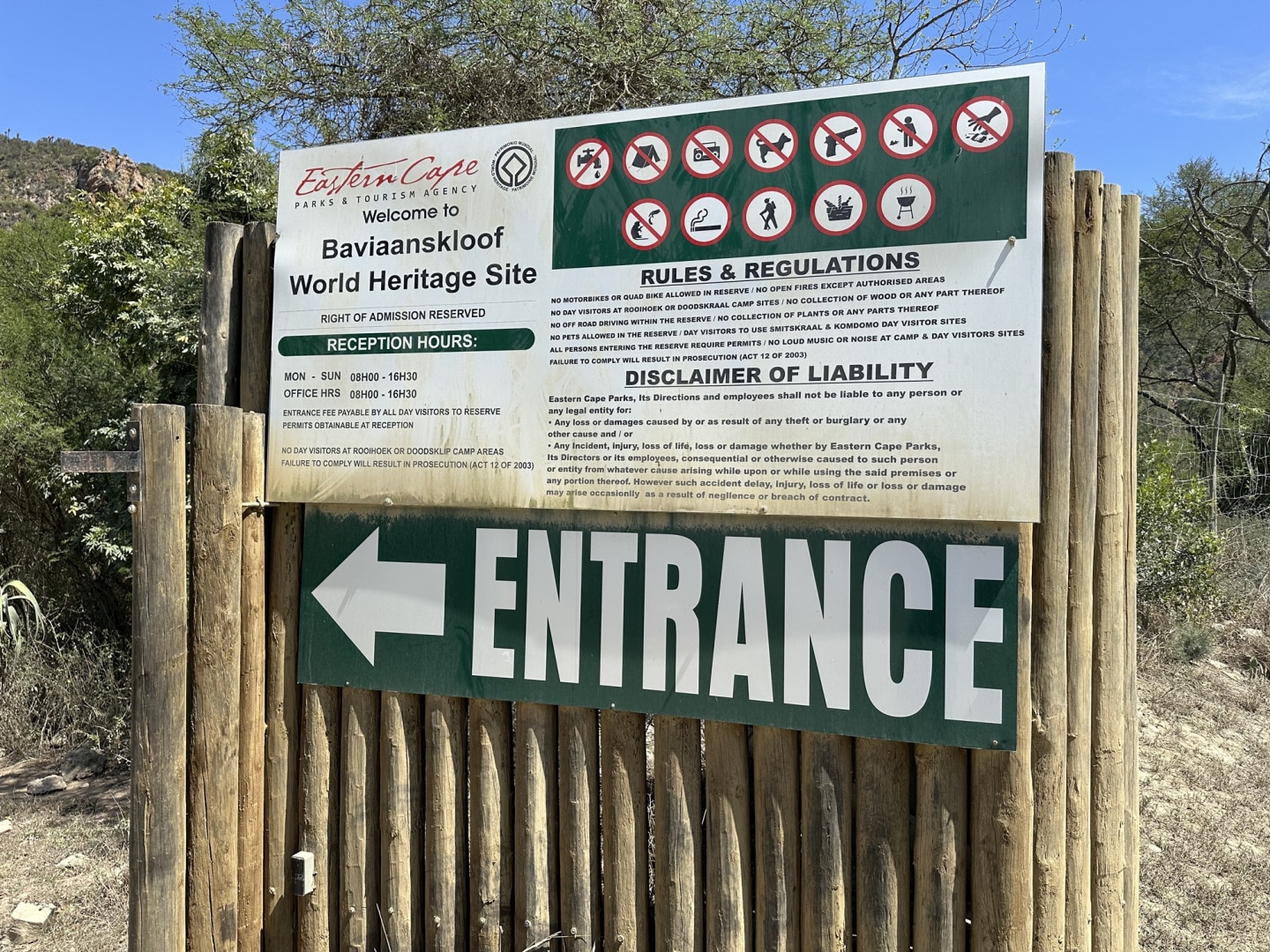
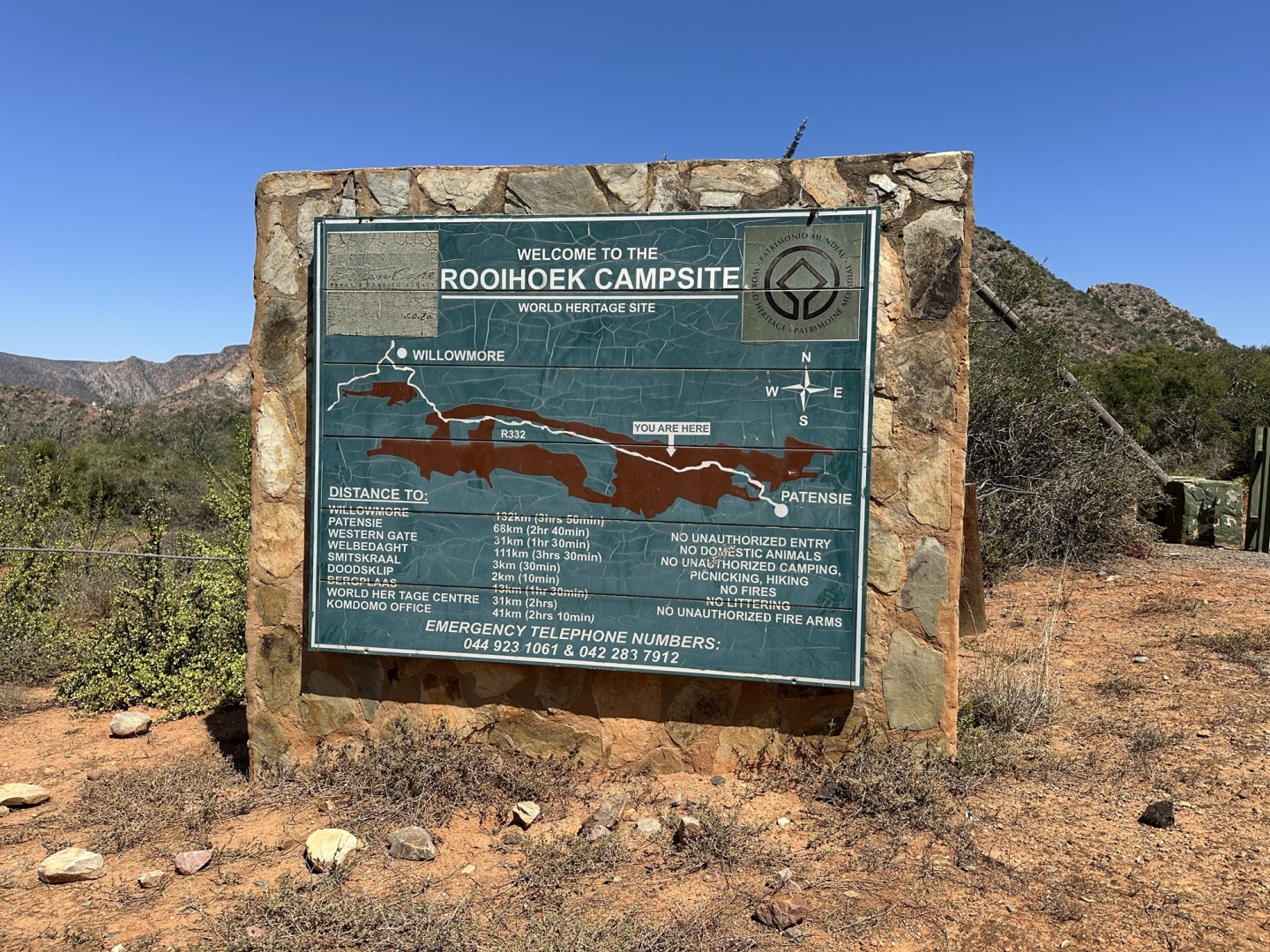
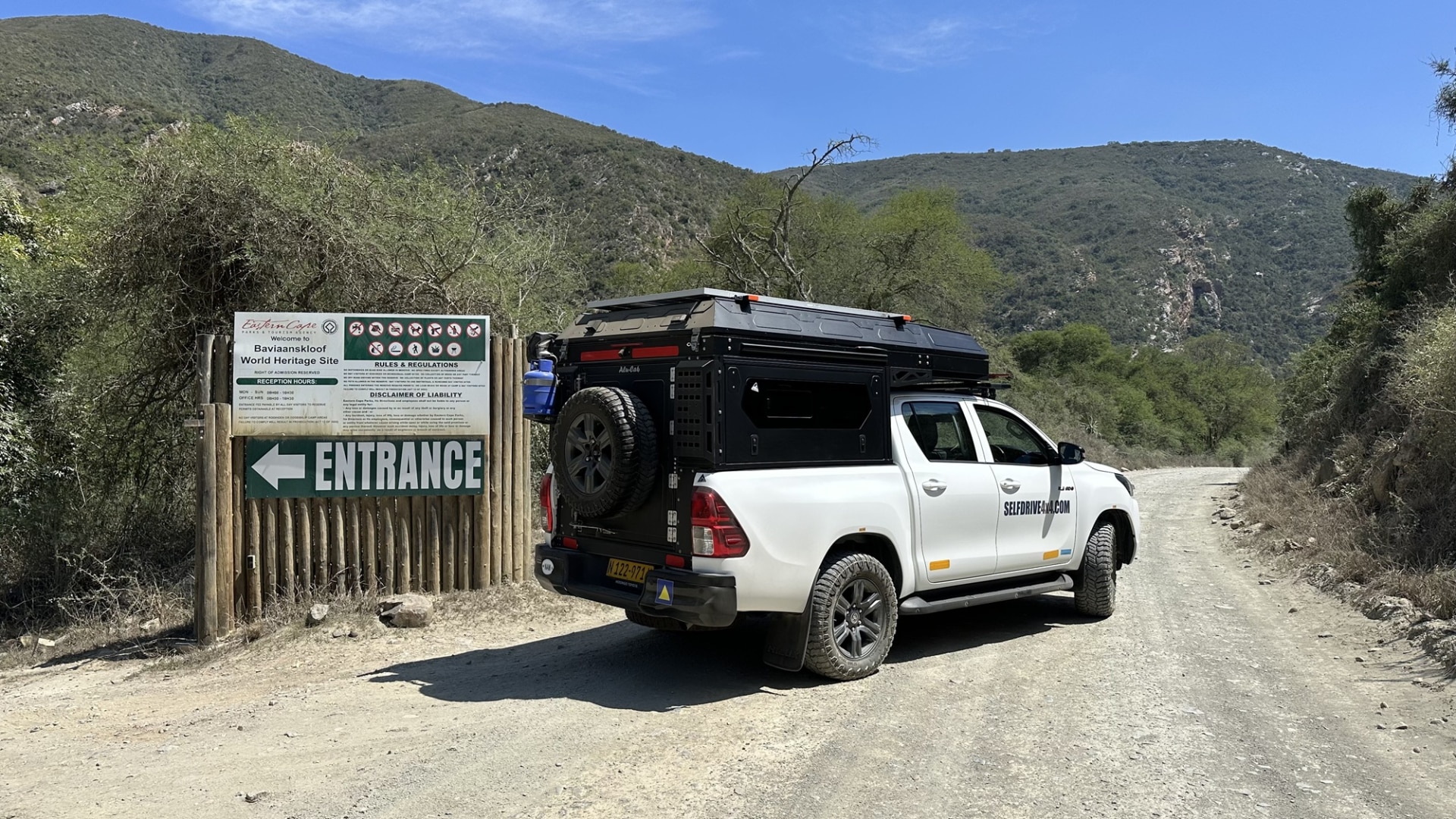
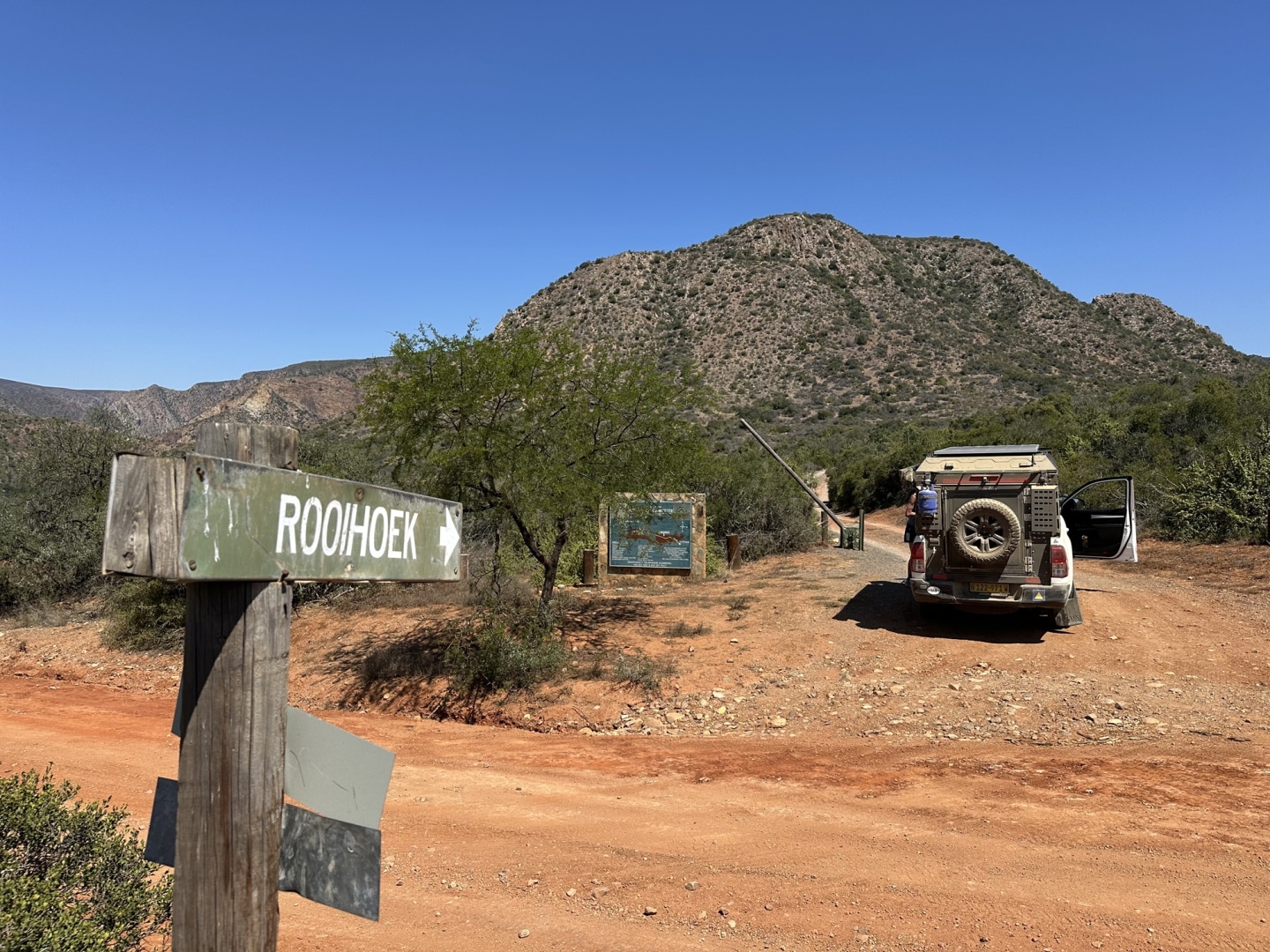

More than 1,000 plant species grow here.
Baviaanskloof’s varied habitats support more than 1,000 plant species, including 17 species of protea. The reserve is also home to 50 mammal species and more than 300 bird species.
There is plenty of reason to stop and look around, particularly if birds catch your eye. Baviaanskloof is also part of the Cape Floral Region, a World Heritage Site made up of eight protected areas covering a total of 553,000 hectares.
Bijzondere feiten over
Baviaanskloof Nature Reserve
- Baviaanskloof Nature Reserve lies in the Eastern Cape.
- The reserve is around 120 kilometres west of Port Elizabeth.
- It stretches from Willowmore in the west to Komdomo campsite in the east.
- The protected area covers 200 square kilometres.
- Baviaanskloof is the third-largest nature reserve in South Africa.
- It forms part of the Cape Floral Region.
- More than 1,000 plant species grow here, including 17 species of protea.
- The reserve is home to 50 mammal species and more than 300 bird species.
- The drive passes rivers, cliffs, mountain passes and valleys.
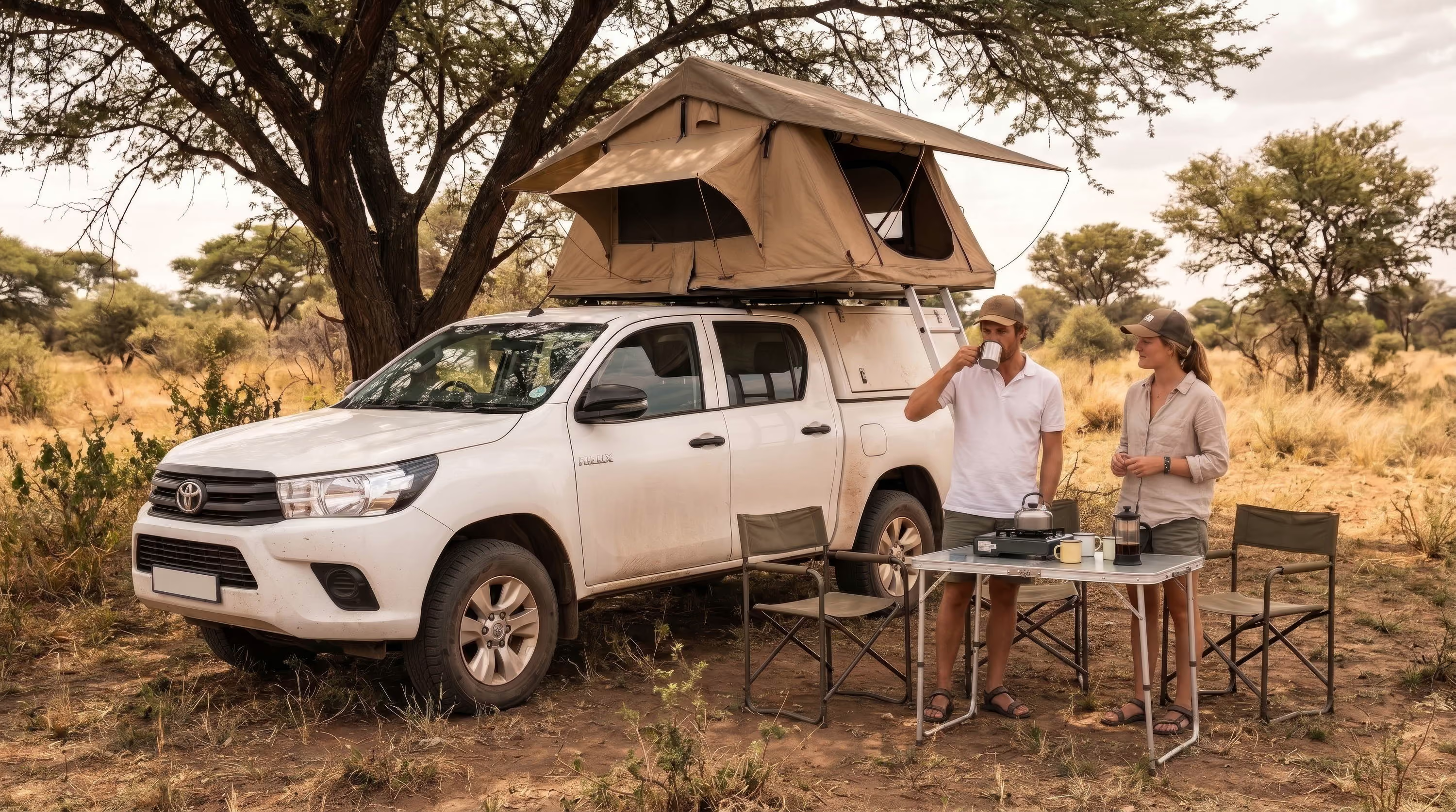
Self-drive trips in the region
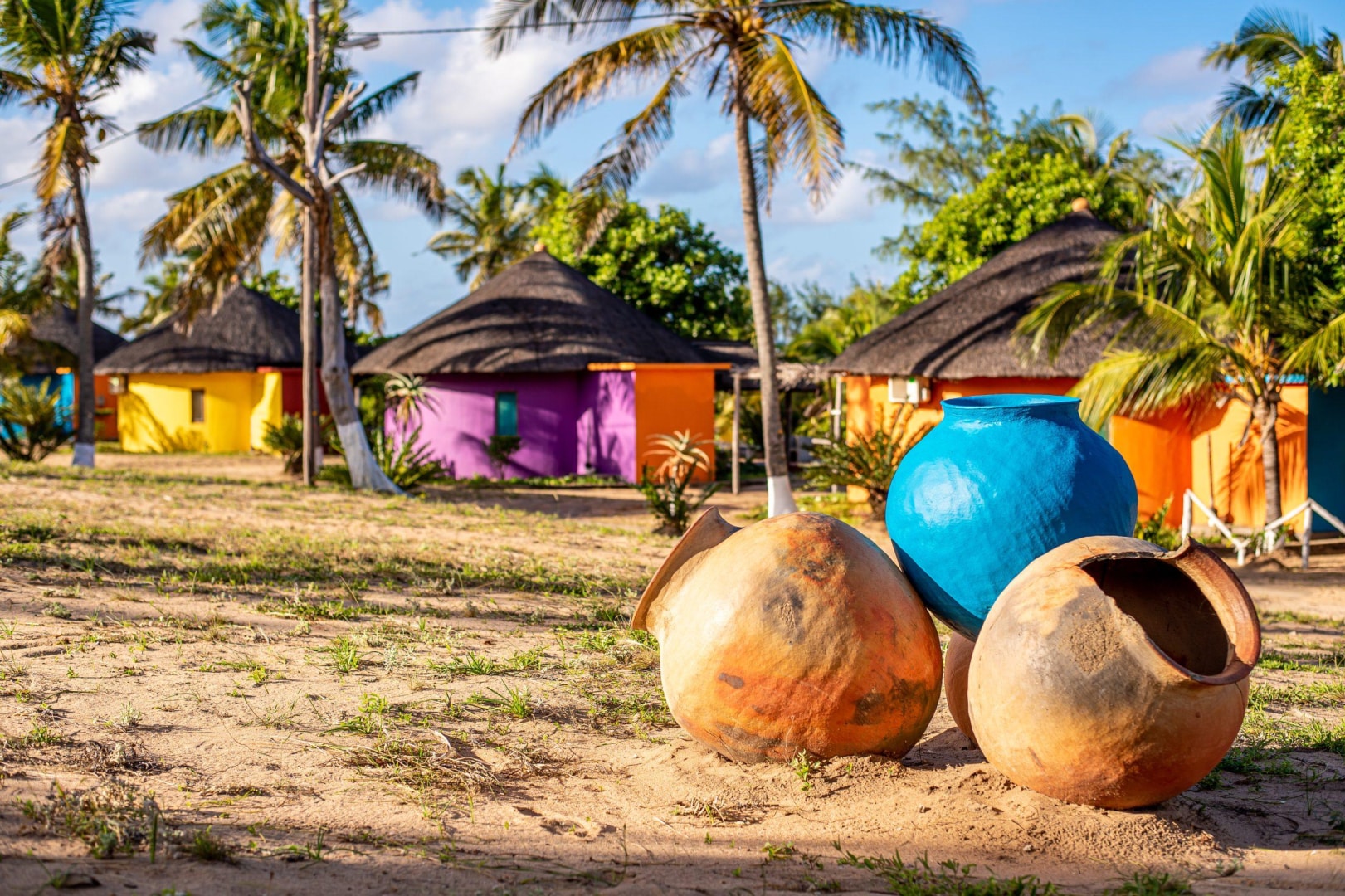


South Africa, eSwatini and Mozambique Beach & Safari
Western Cape and Namaqualand Hiking & 4x4