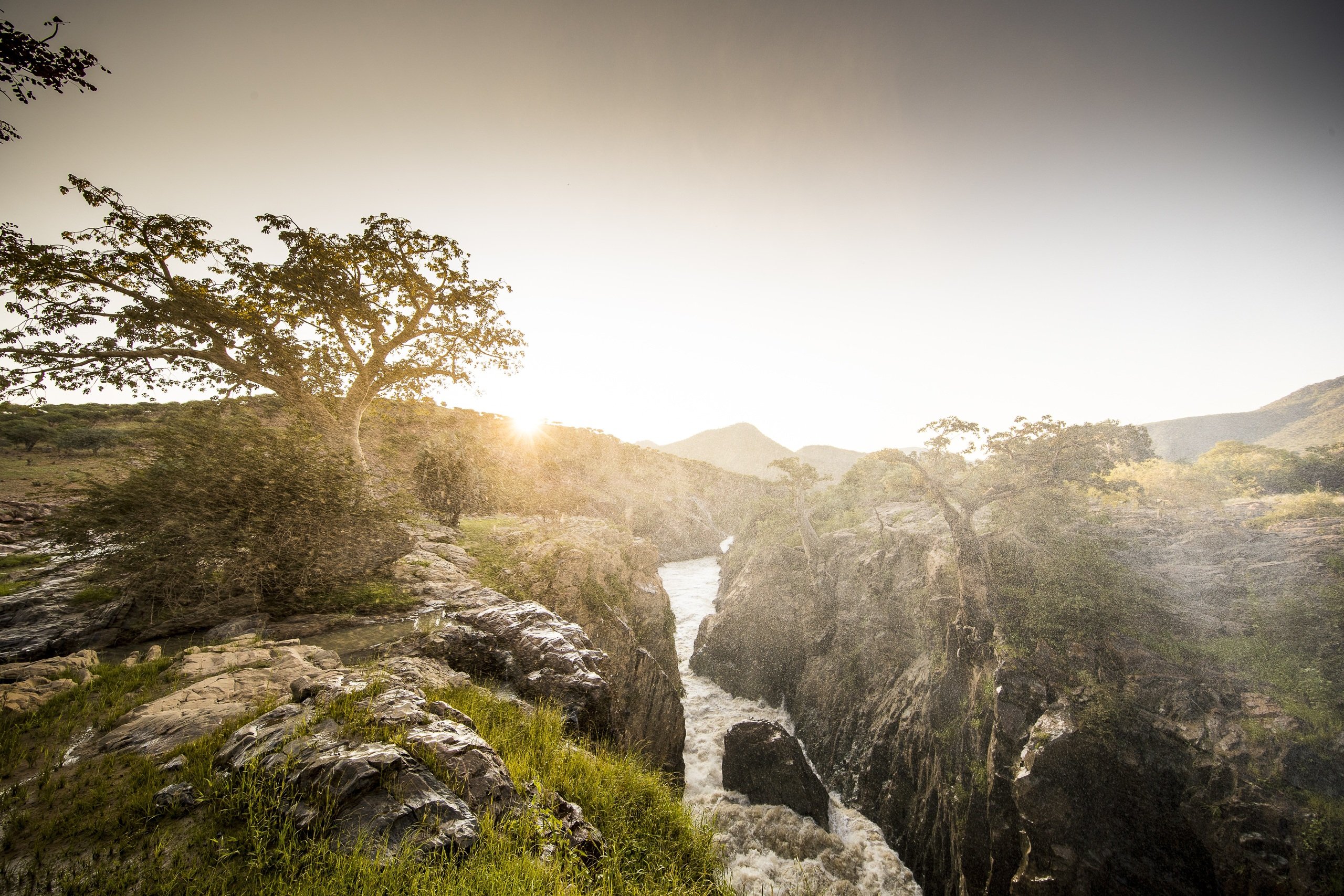
Your self drive safari Namibia journey begins in Windhoek. After landing, the local rental partner collects you for the 4x4 handover. You receive a detailed vehicle briefing and complete the formalities before setting off.

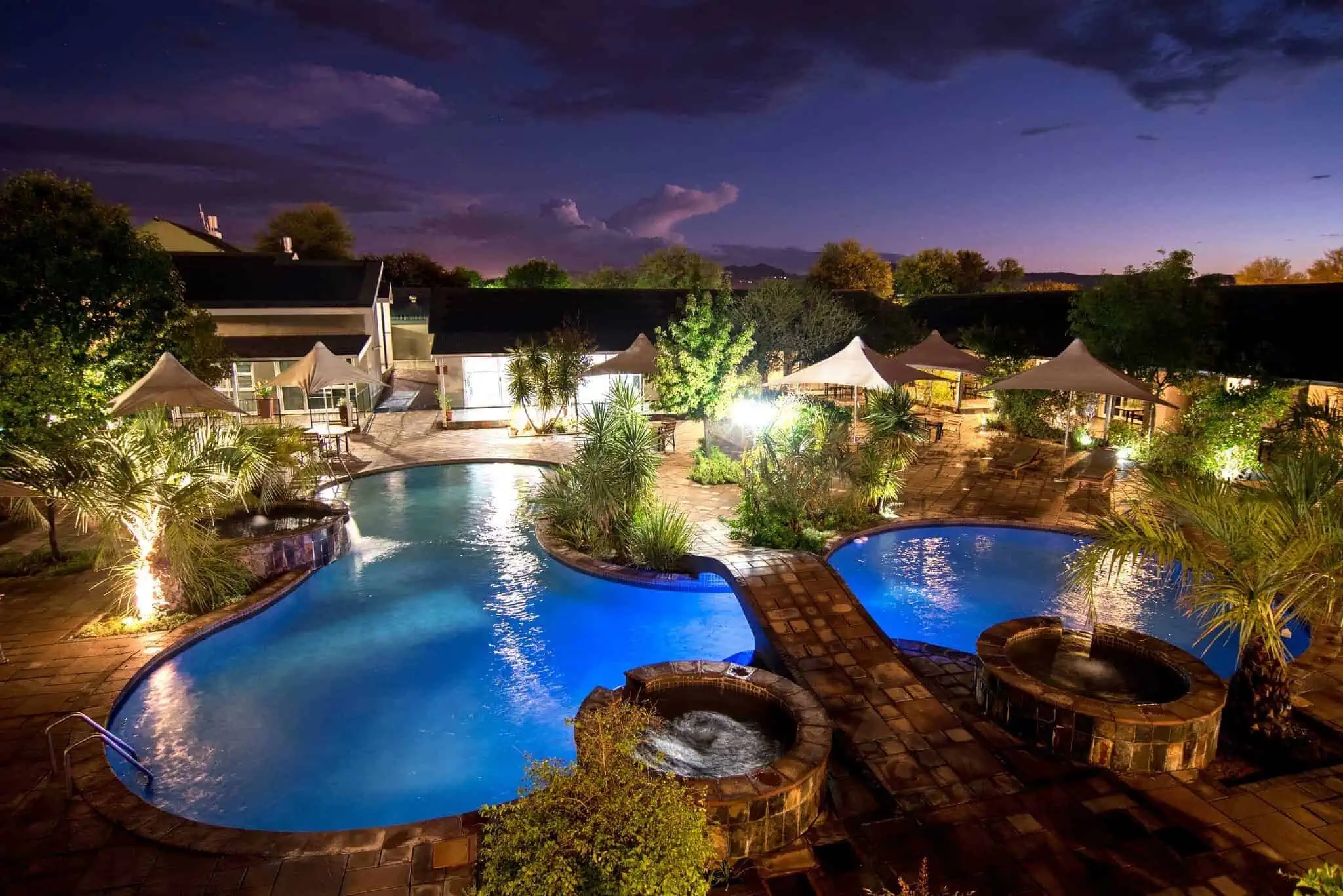
The first night is deliberately planned in Windhoek. It gives you time to settle in, get familiar with the vehicle and buy most of the supplies for the days ahead. You stay at Arebbusch Travel Lodge.

If your shopping is already done, you can leave early for Marienthal. As the road approaches the Kalahari, the landscape opens up quickly.

This first full driving day is straightforward. It gives you time to adjust to the vehicle, left-hand driving and the rhythm of the road. You can reach Kalahari Anib Campsite in the early afternoon.

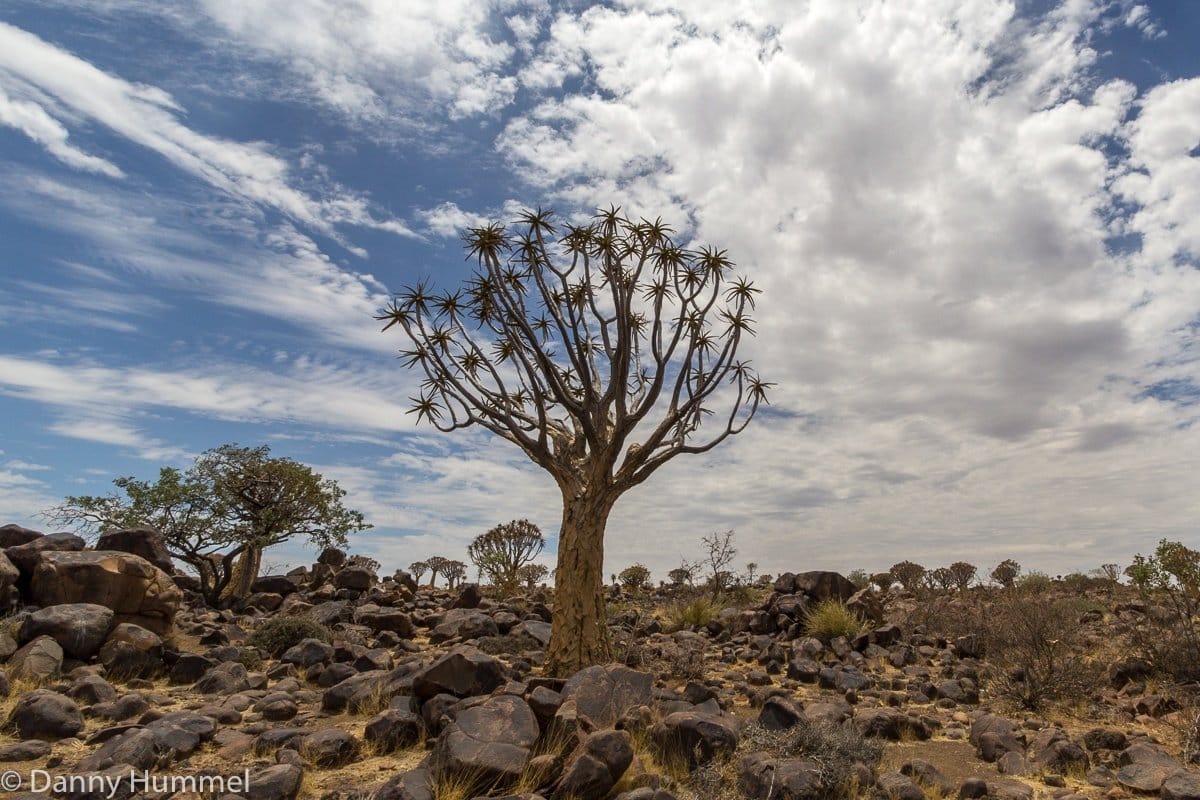
Continue south towards Keetmanshoop. The Quiver Tree Forest and Giant’s Playground, a distinctive rock formation, are both found in this area.

The quiver trees are aloe-like trees with hollow trunks once used by Bushmen to store arrows. The landscape is well suited to photography. You stay at Quivertree Forest Restcamp.

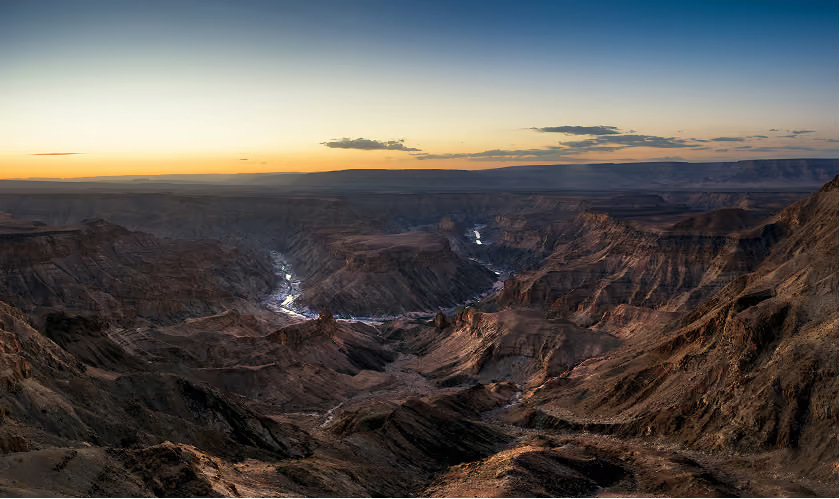
After leaving camp, drive towards Fish River Canyon, the second-largest canyon in the world.

Continue across the landscape to the hot springs at Ai Ais. The indoor and outdoor pools are around 45 degrees Celsius. You stay at Ai-Ais Hotsprings Spa Campsite.

After an early morning at the hot springs, a longer drive takes you northwest. Today the scale and quiet of Namibia become a larger part of the journey.

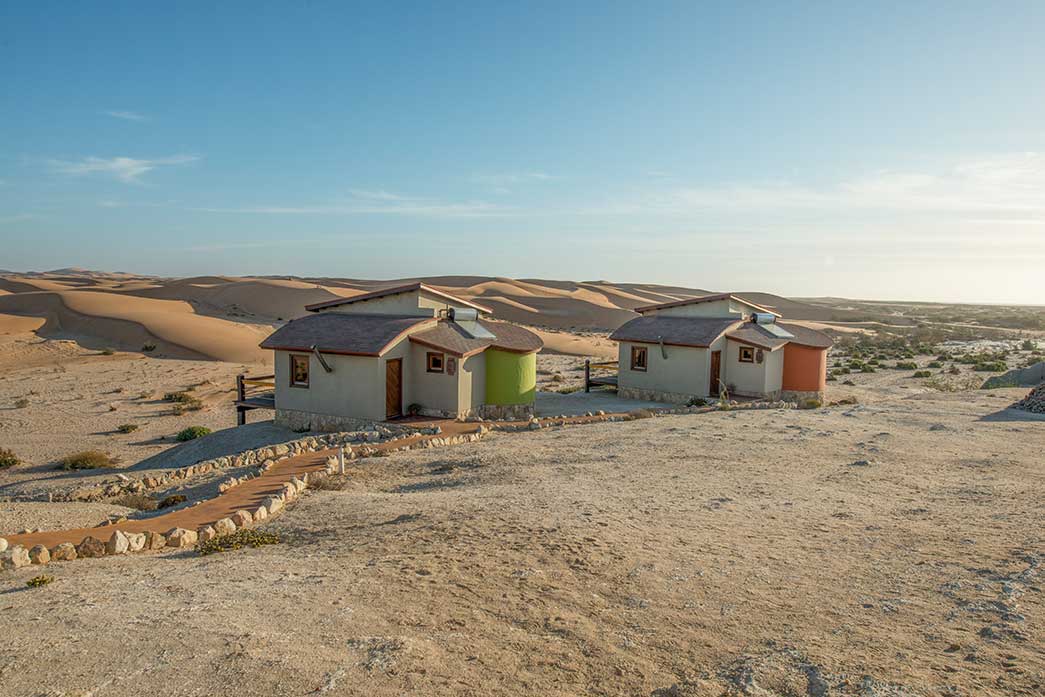
Around Klein Aus, you can walk and look for Namibia’s wild horses. A mountain-bike trail is another option. You stay at Desert Horse Campsite in Klein Aus Vista.

Today the route turns towards Sesriem and Sossusvlei. The drive is part of the day: gravel roads, open country and long views set the pace.

You stay at Sesriem Campsite.

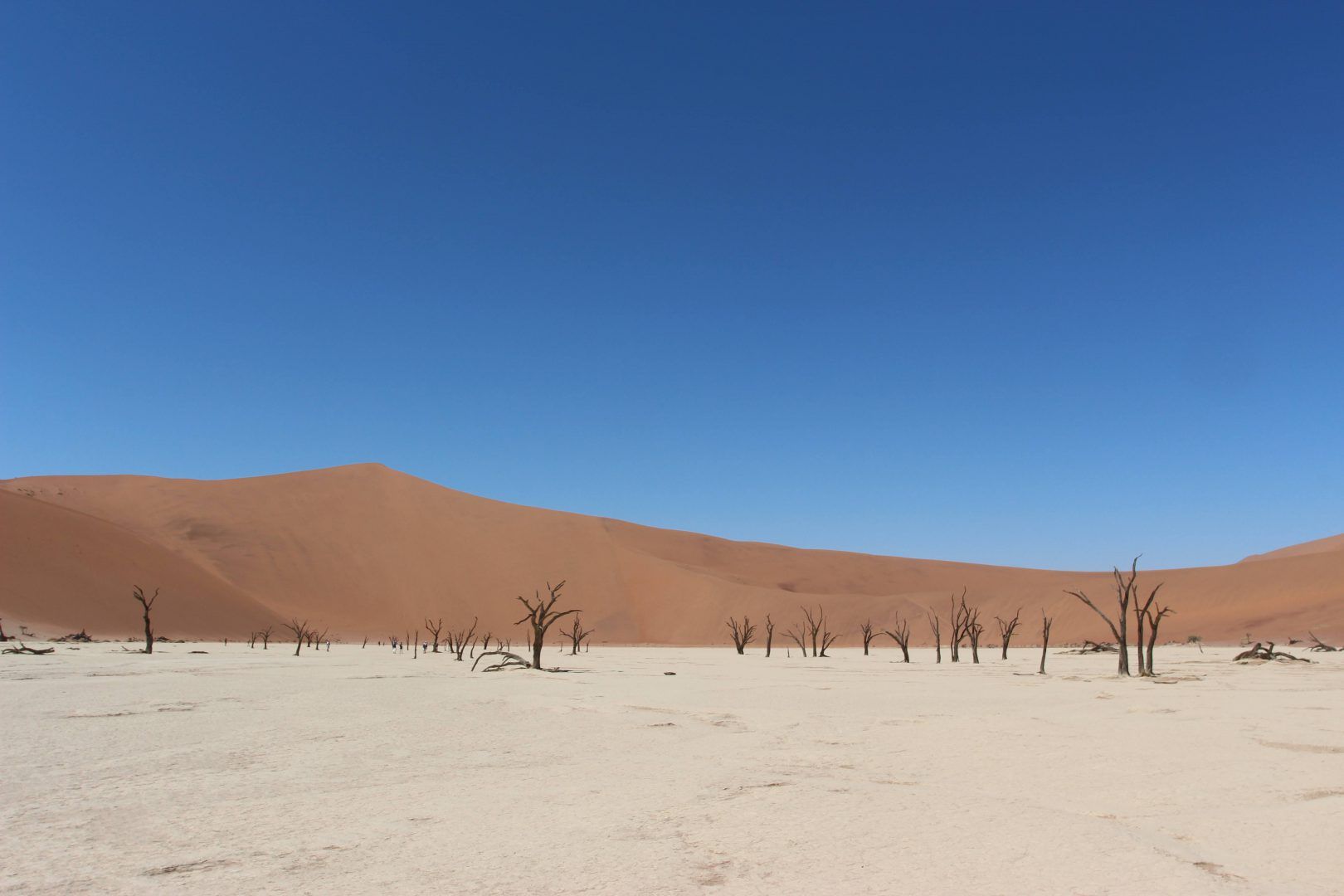
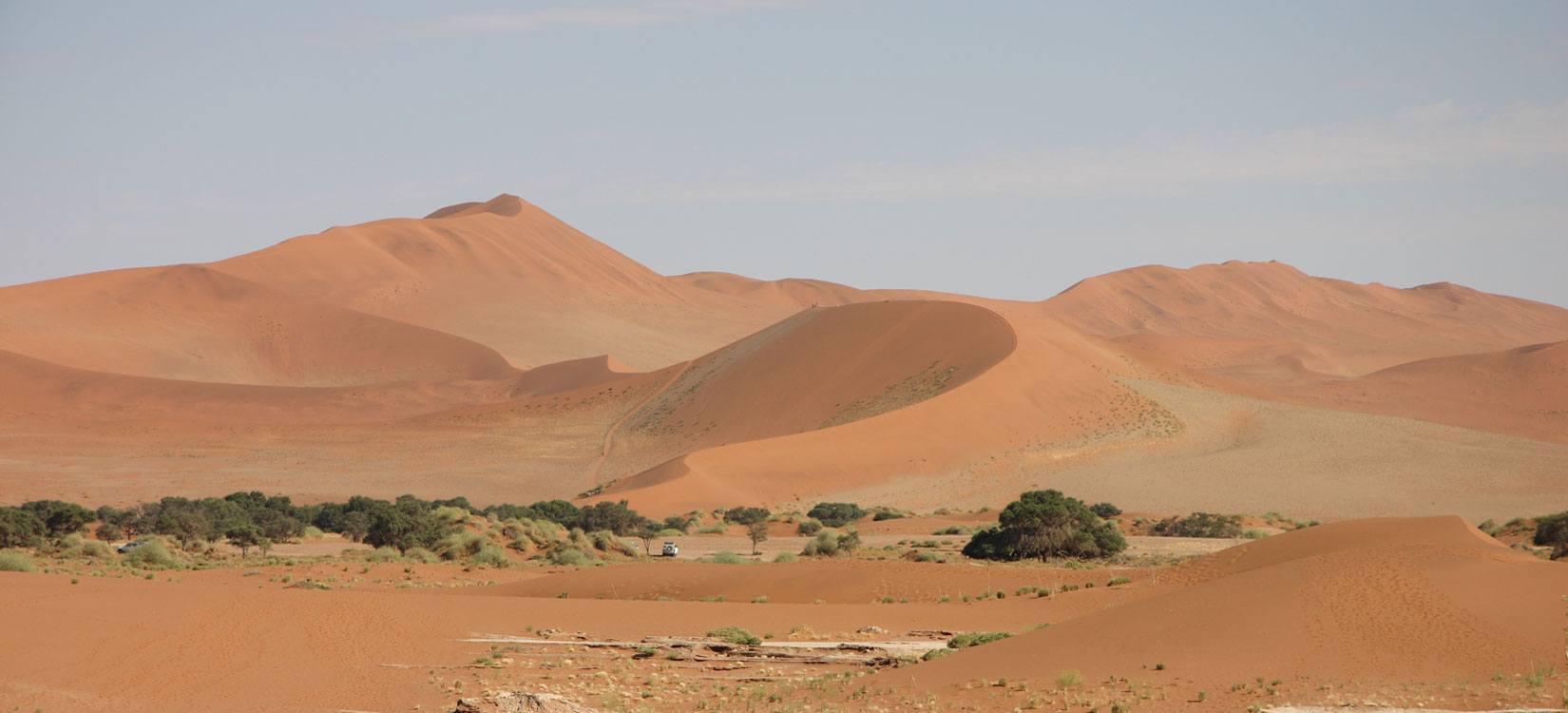
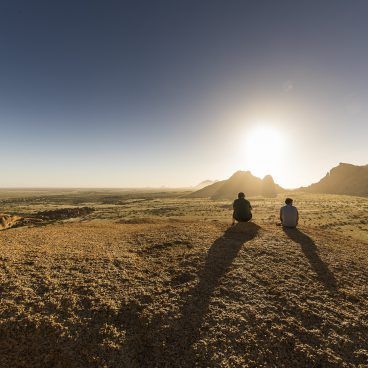
A full day for Sossusvlei and Deadvlei. An early start gives you the chance to see the dunes at sunrise, when red and orange light creates deep shadows across the sand.

The return drive to the dunes is about 120 kilometres. Afterwards, continue roughly 110 kilometres from Sesriem to the foot of Spreetshoogte Pass. You stay at Camp Gecko.

After the days around Sesriem, the landscape shifts again. Drive through Kuiseb Canyon and across the wide gravel plains of the Namib Desert towards the Atlantic coast.

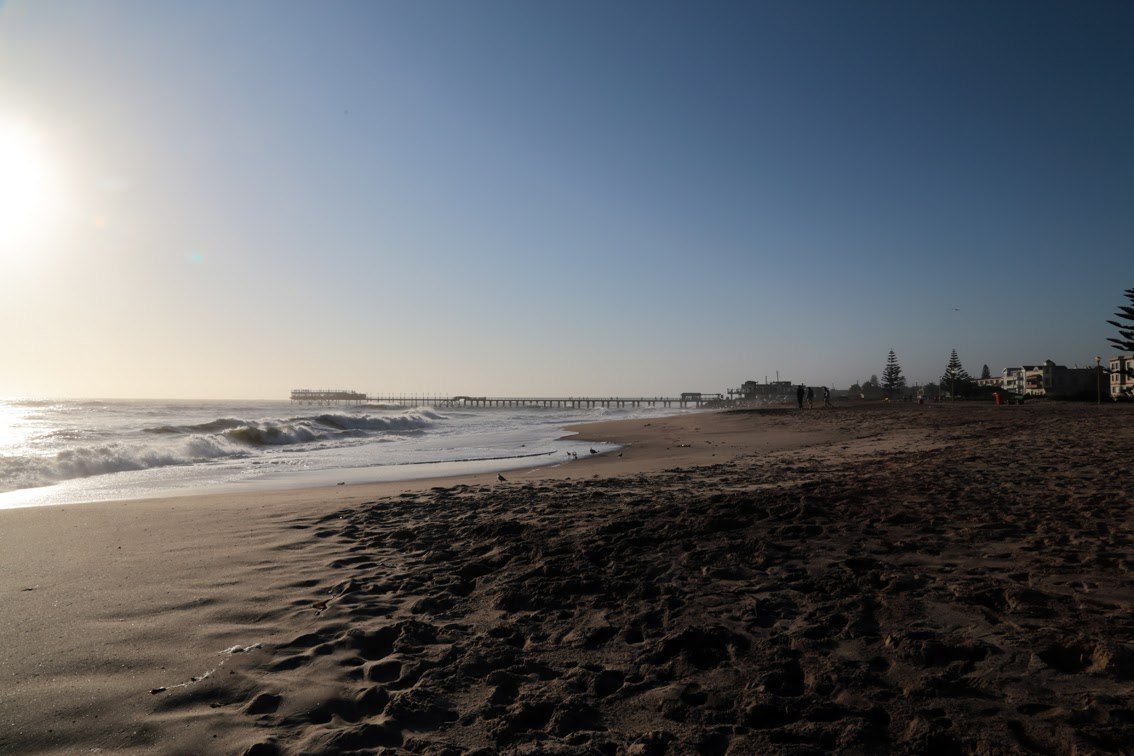
You can reach Swakopmund in the early afternoon. You stay at Desert Breeze on a bed-and-breakfast basis. Dinner in town is an option in the evening.

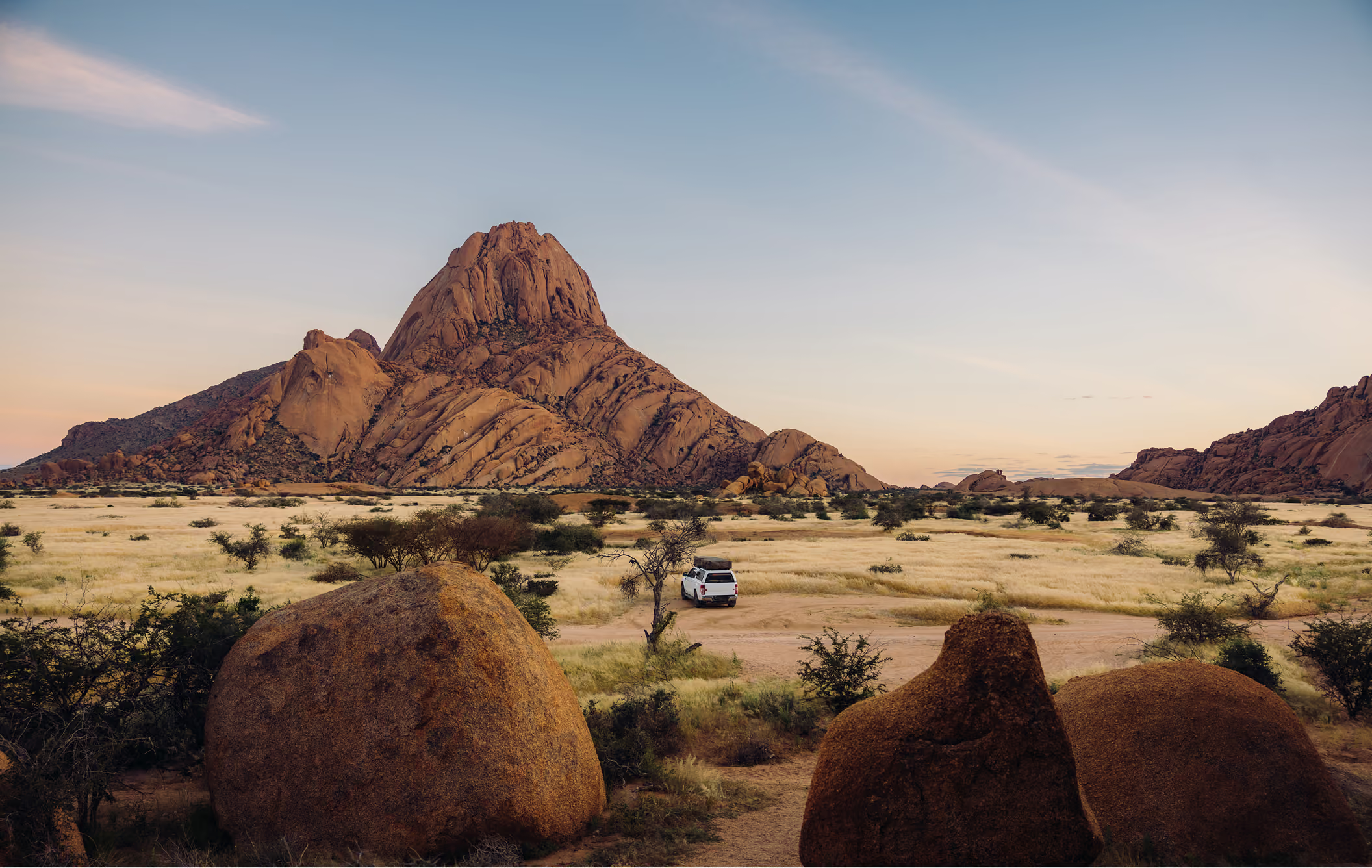
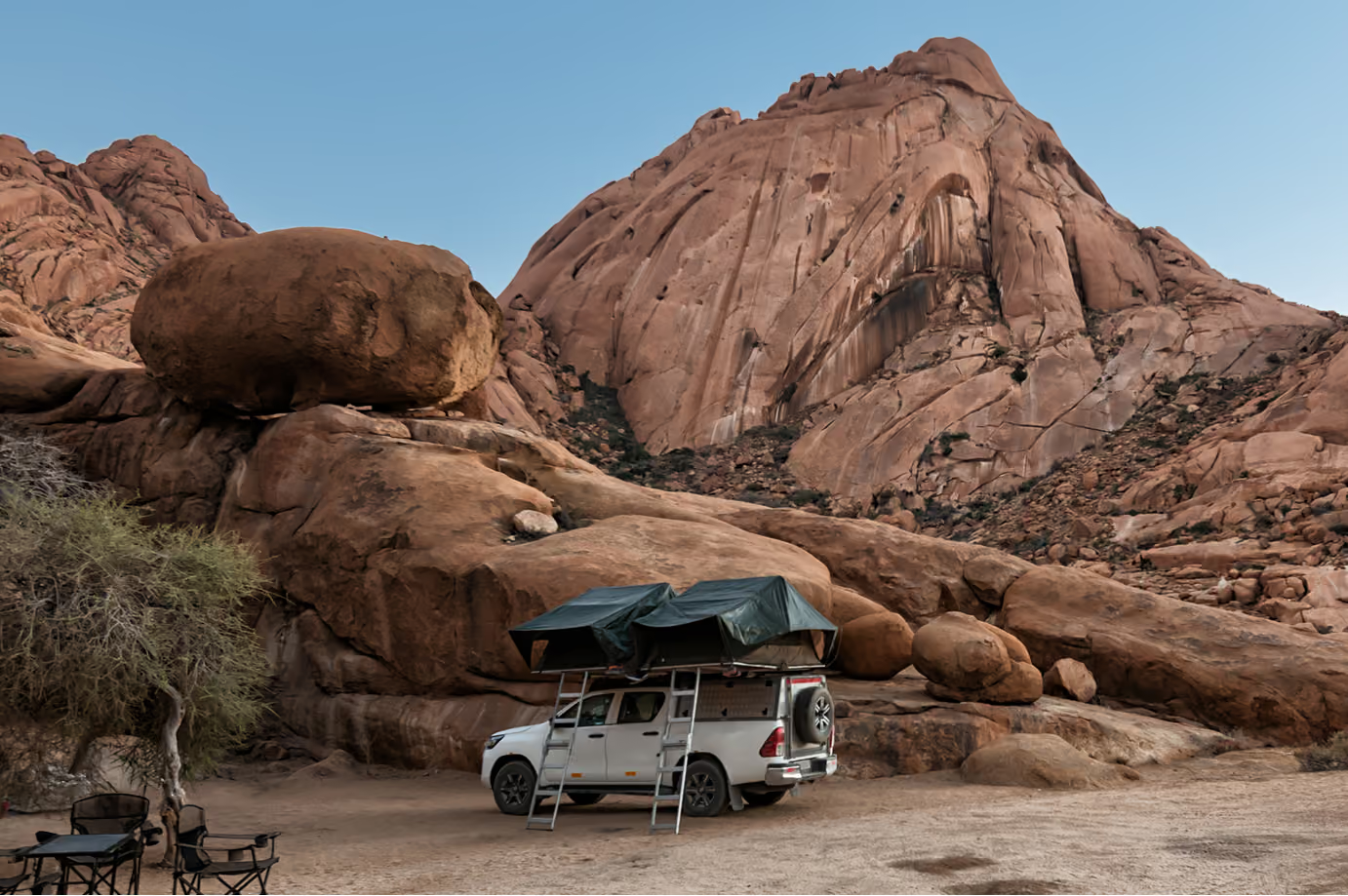
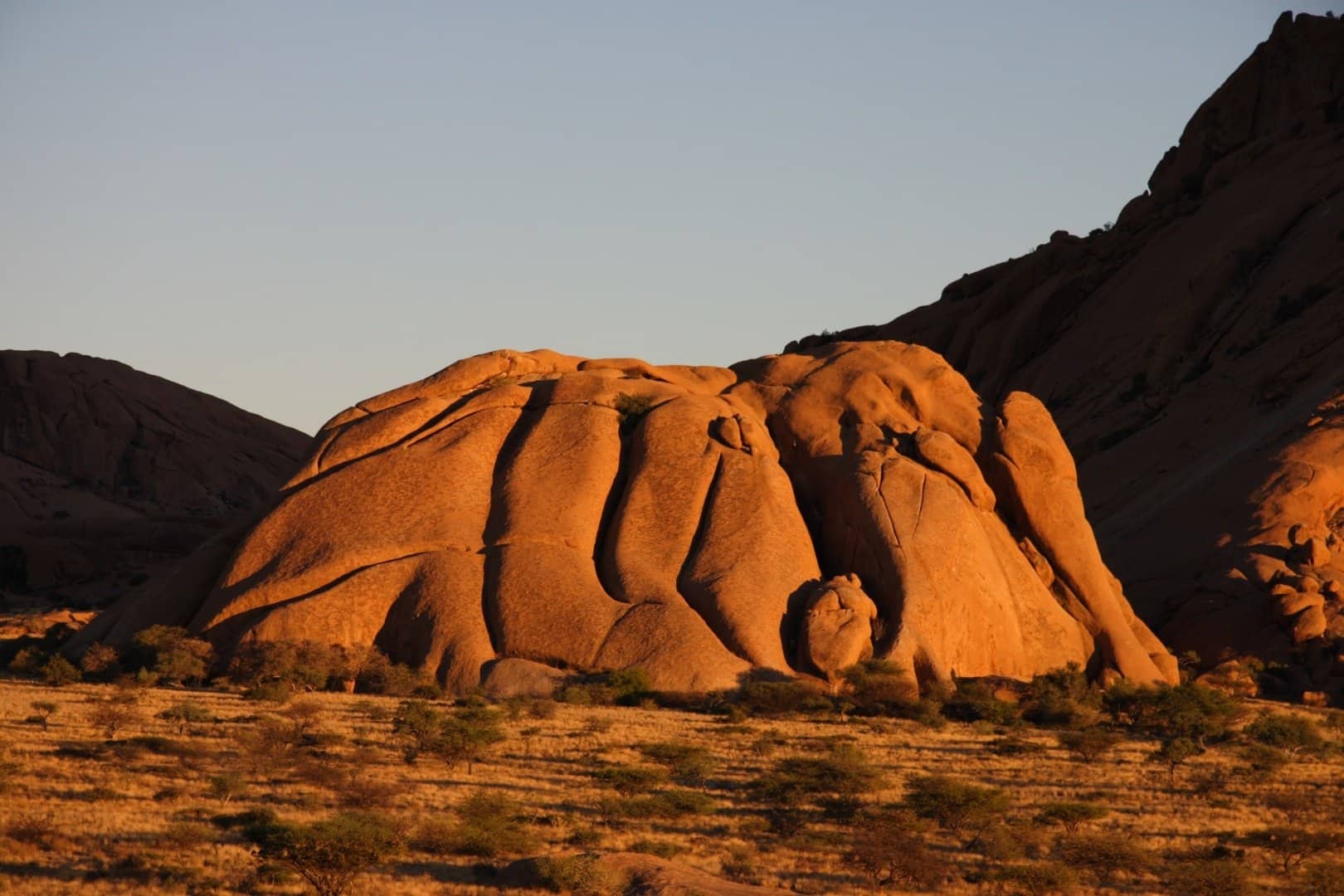
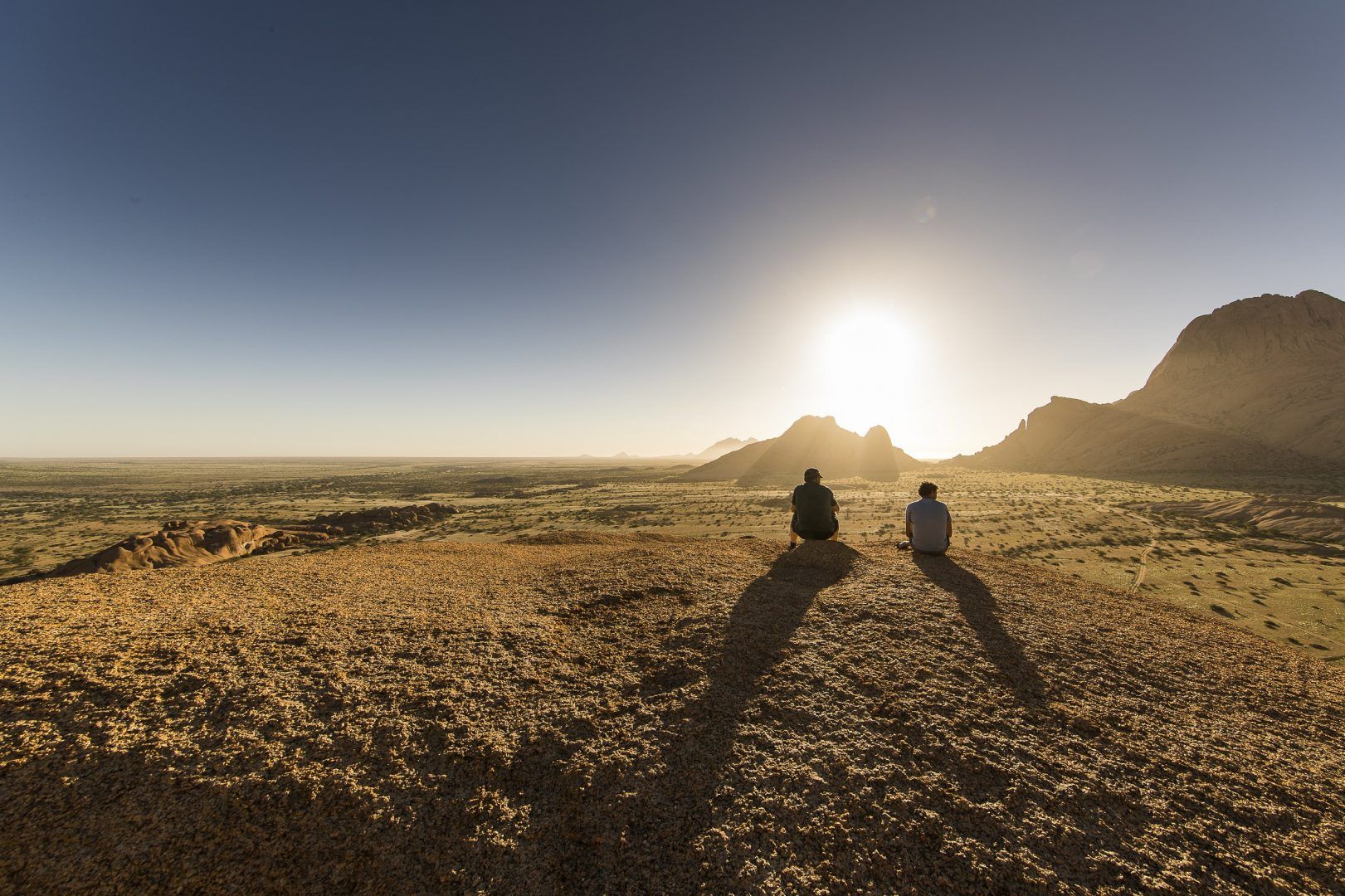
After breakfast, there is still time to explore Swakopmund or buy supplies. Then leave the coast and drive towards the sharp granite peaks of Spitzkoppe.

You stay at Spitzkoppe Restcamp.

Today the Namibia self drive safari heads deeper into Damaraland. Wide views follow you on the way to the community-based Ugab Rhino Camp.

Desert-adapted elephants live in this area and sometimes move close to camp. Visiting the Cape Cross seal colony is possible, but adds roughly 80 kilometres to the day.

The 4x4 plays a bigger role today. The route towards Twyfelfontein follows rougher tracks where low speed, low range and the supplied GPS matter.

The distance is short, but allow the full day. Ostrich, oryx and other antelope may appear along the route. Black rhino also live in the area, though they are difficult to spot. You stay at Mowani Campsite.

From Twyfelfontein, drive to Etosha National Park. Over the next three nights you stay in three different rest camps, giving you time to cross a large part of the park.

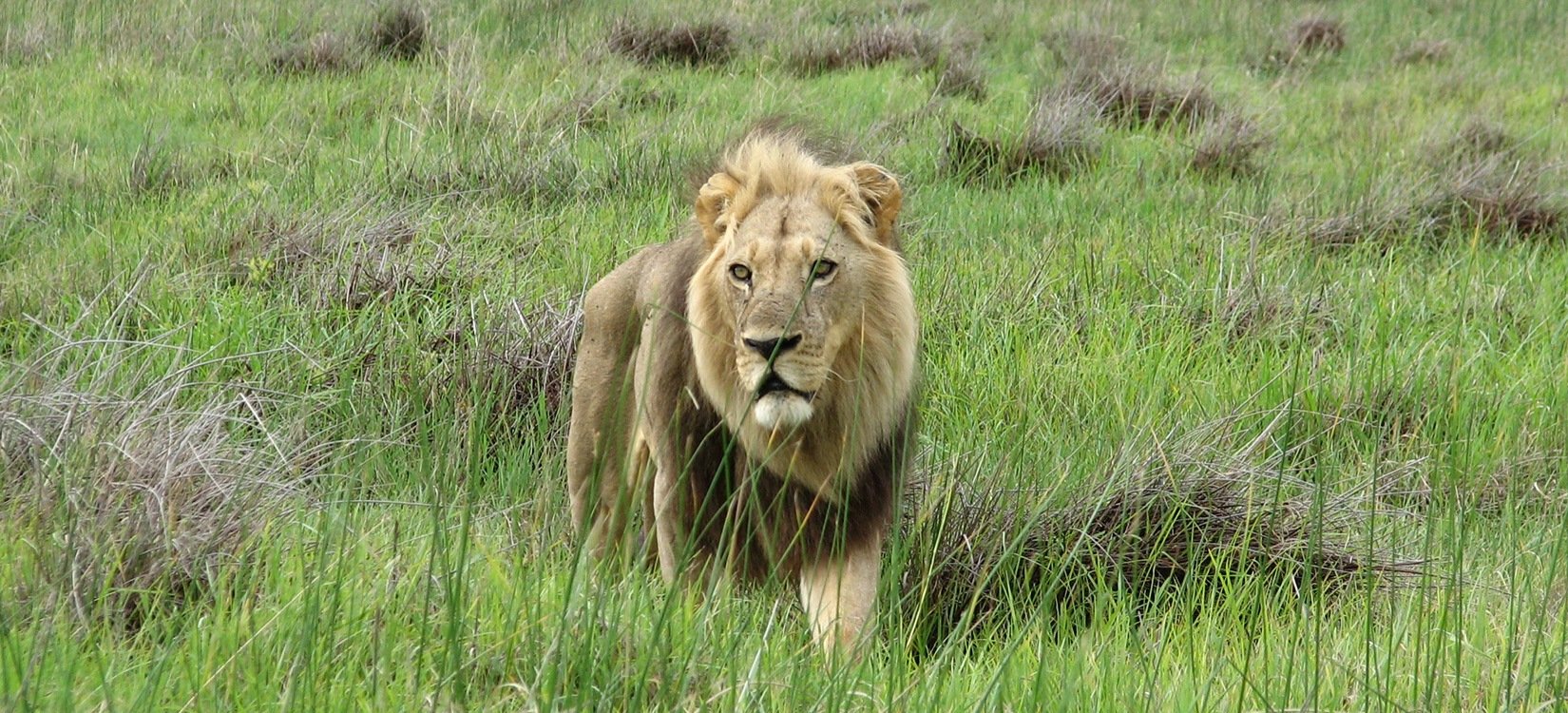
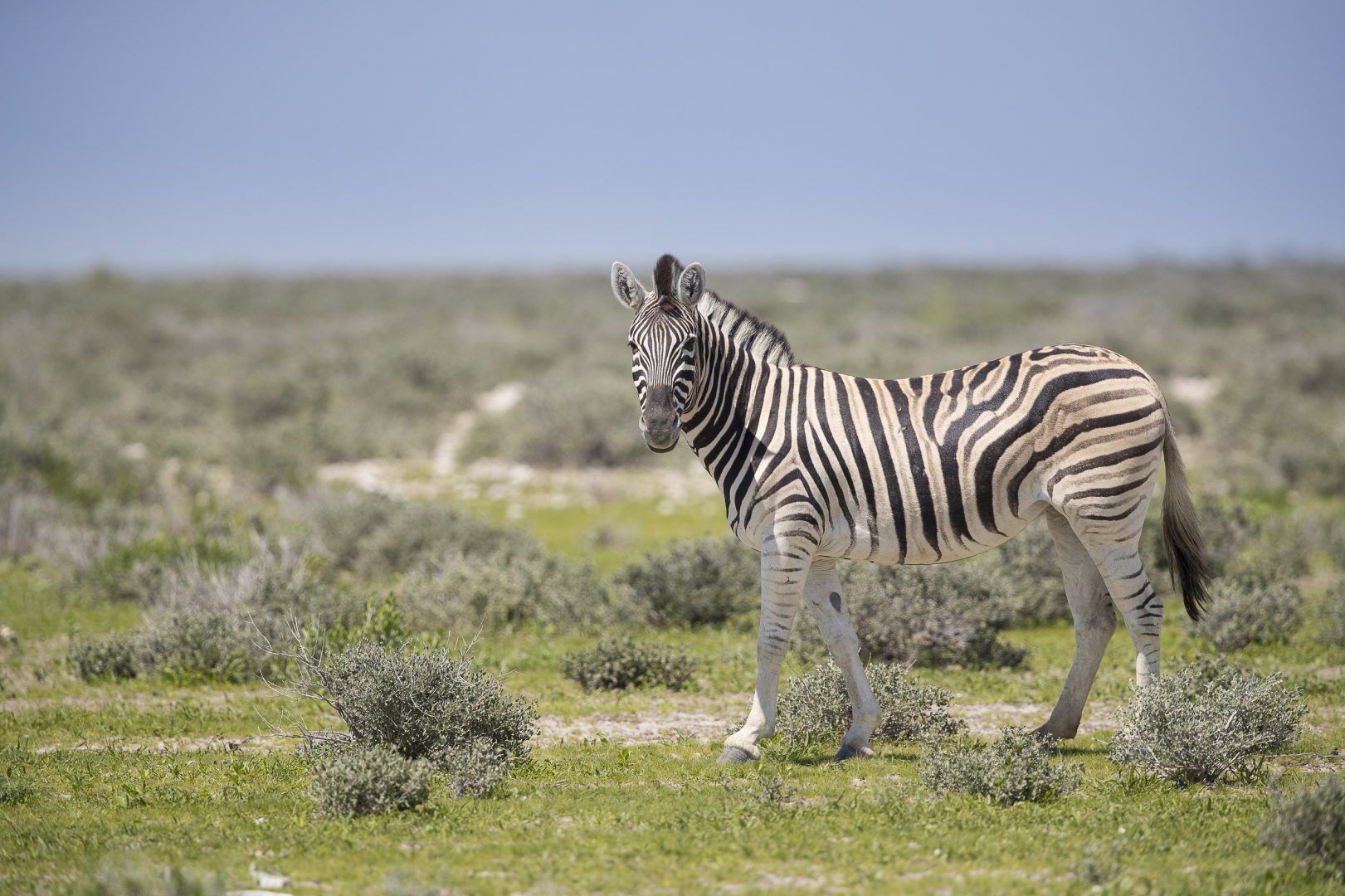
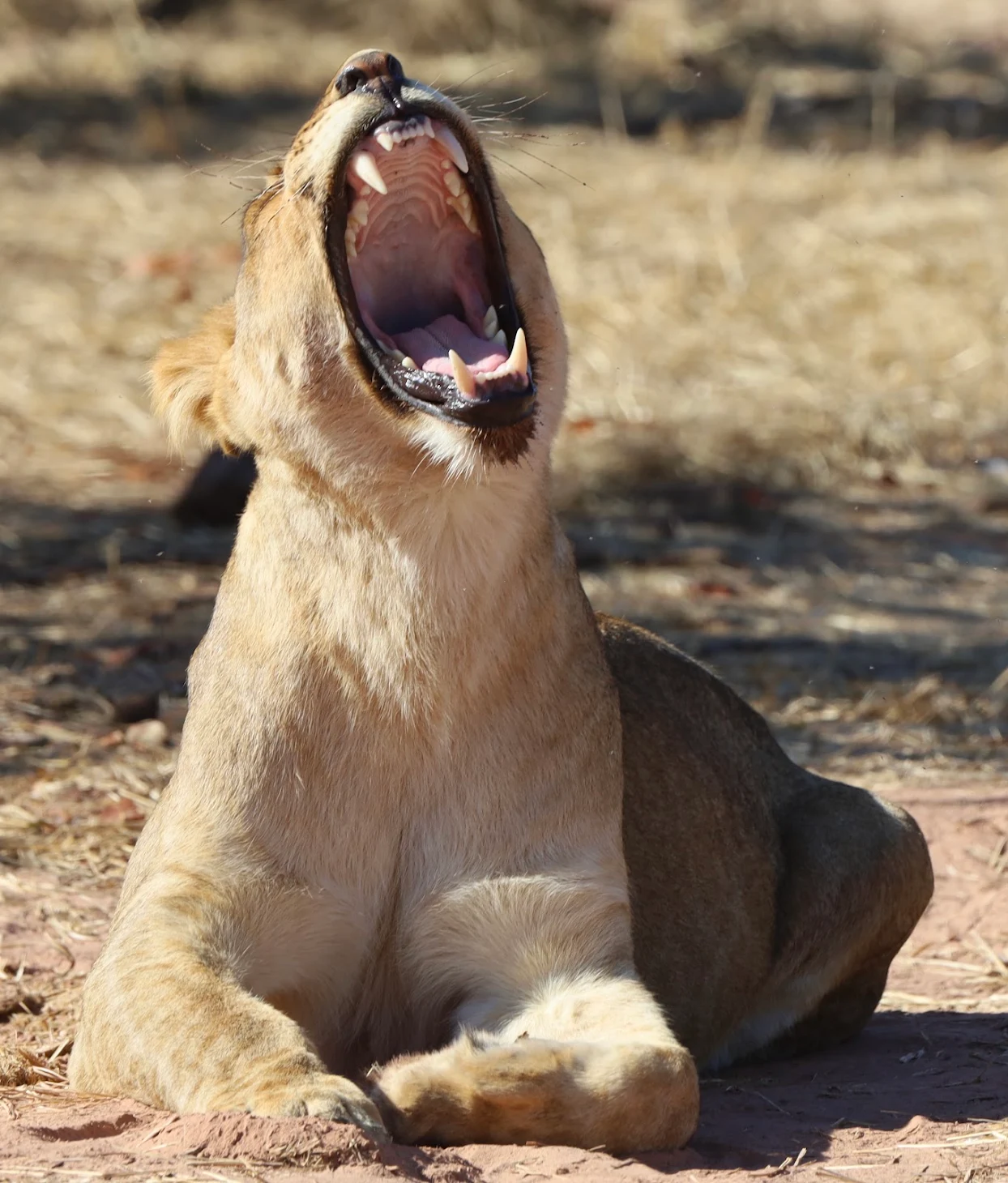
Elephants, rhino and lions are among the animals you may encounter. The floodlit waterholes at the rest camps can be reached on foot from camp. Your first night is at Okaukuejo Restcamp.

Your second day in Etosha can begin with an early game drive around Okaukuejo or with a direct departure towards Halali.

If you head out first, you can return for brunch and then pack up camp, arriving at Halali later in the day. The floodlit waterhole attracts wildlife after dark. Hyena, lion and leopard are all possible sightings. You stay at Halali Restcamp.

The third day in Etosha is another long self-drive game viewing day. Continue towards Namutoni and decide whether to begin with a loop around camp or set off immediately.

You stay at Namutoni Campsite.

On the way to Waterberg Plateau, you can stop at the Hoba Meteorite, the largest meteorite in the world.

Then continue to Waterberg. You stay at Waterberg Plateau Campsite.

A second night at Waterberg Plateau Campsite. Waterberg Plateau is ecologically diverse and offers several walking options.

Black rhino were reintroduced here in 1989. You can join a guided hike with local rangers.

Leave Waterberg Plateau and continue south. The final stop of the journey is Okonjima Nature Reserve.

You can drive independently in the 4x4 or join an organised game drive. You stay at Omboroko Campsite.

The final day of your Namibia self drive safari. Return to Windhoek and hand back the 4x4 at the depot.

A shuttle then takes you to the airport.

Namibia

Namibia tour 18 days

18
days
from
1280
p.p.

Eighteen days gives this route room to breathe. Drive from Fish River Canyon to the red dunes of Sossusvlei and Deadvlei, then continue through Swakopmund and Spitzkoppe into Damaraland. Etosha National Park, Waterberg Plateau National Park and Okonjima Nature Reserve follow. Between those names are long gravel roads and open landscapes. That is where much of the journey finds its rhythm.

Not quite the trip you’re looking for? This trip can be fully tailored to your preferences.
Everything mapped out. The route remains yours.

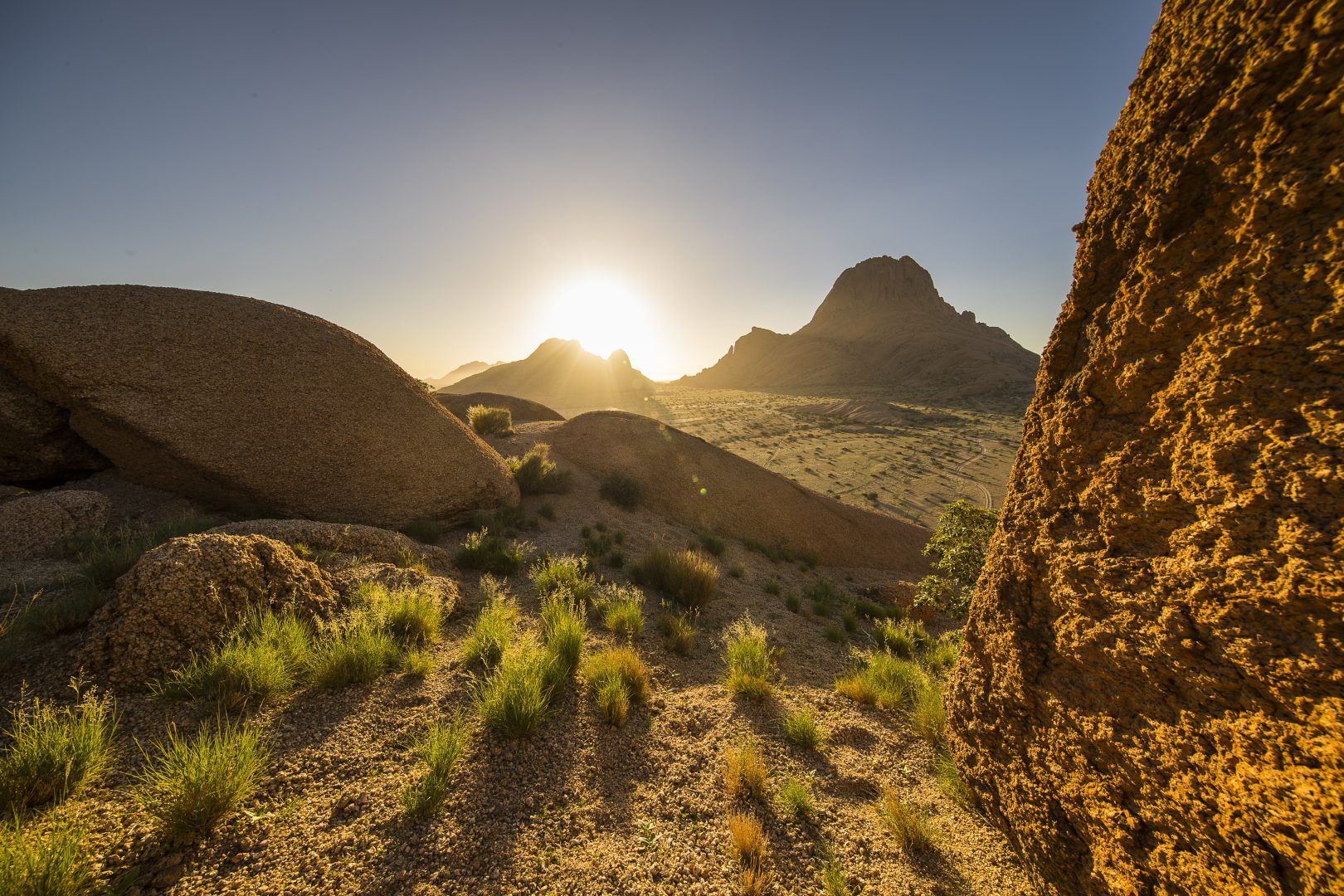
The first week takes you south. Travel via Marienthal and Keetmanshoop to Fish River Canyon and Ai Ais. Then the route turns north again, heading through Aus towards the Namib Desert. At Sossusvlei, the day begins early. Later, the red dunes give way to the cooler Atlantic light at Swakopmund.

After Spitzkoppe, the road becomes rougher. Damaraland brings a genuine 4x4 route towards Twyfelfontein. Three days in Etosha follow. Waterberg Plateau and Okonjima are the final stops before the return to Windhoek.

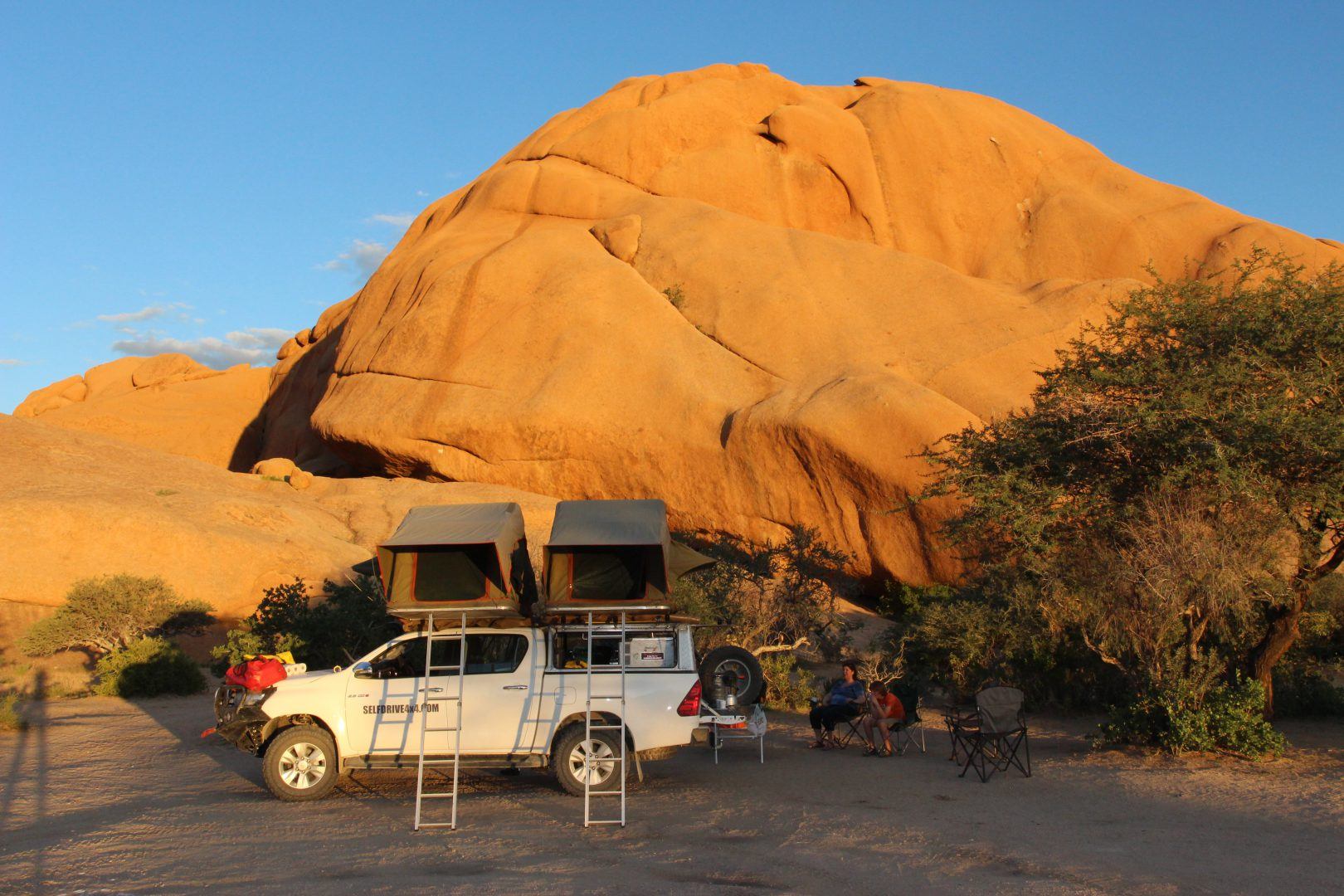
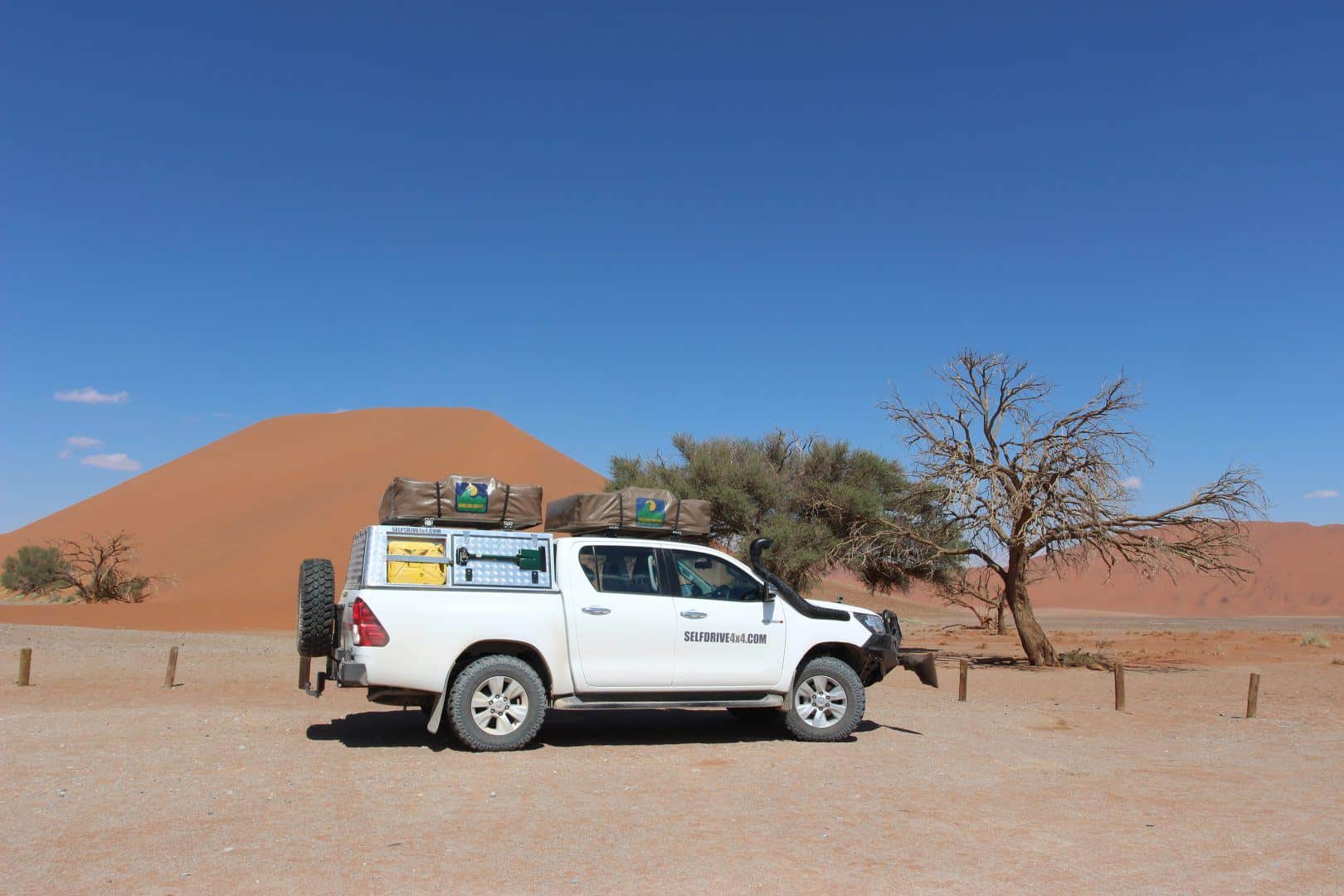
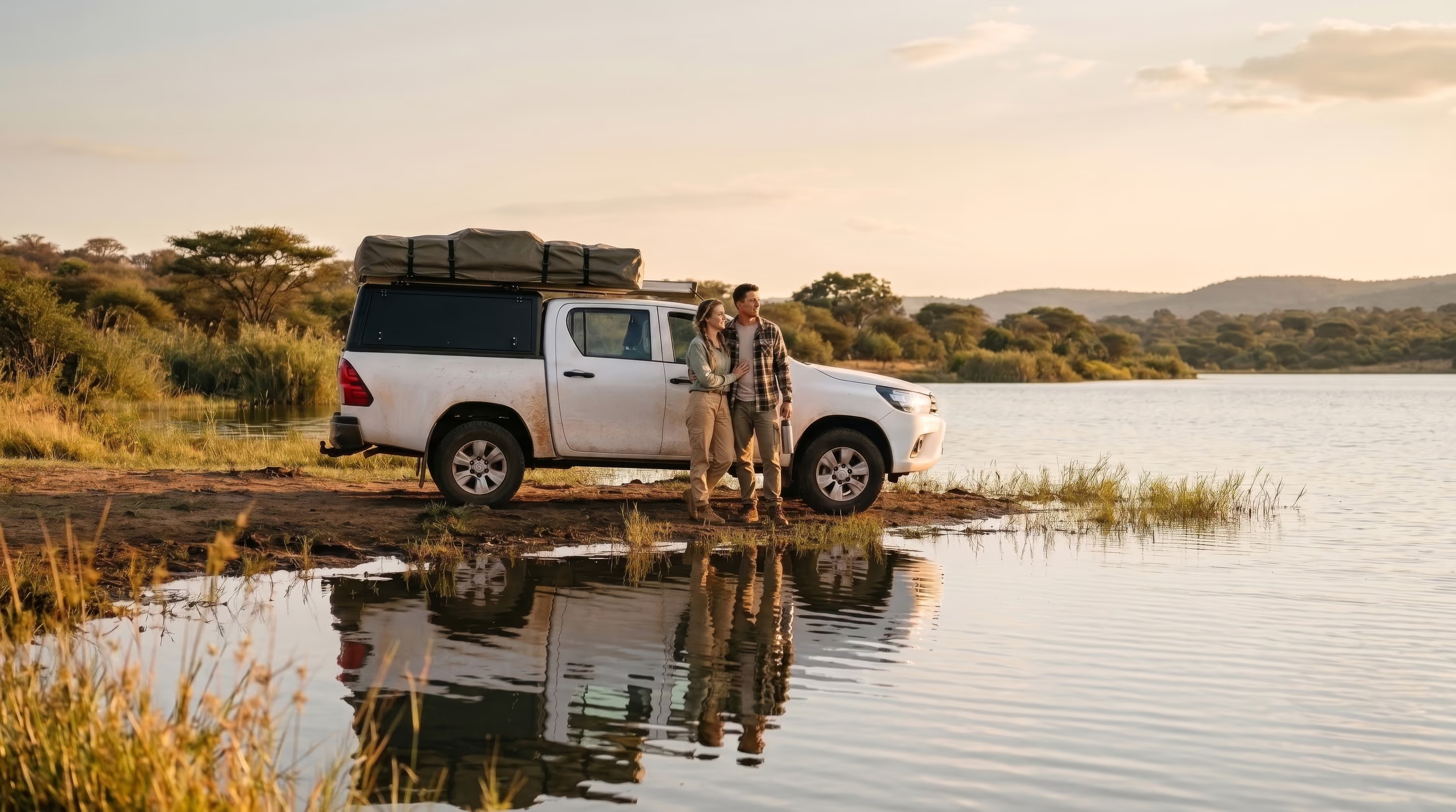
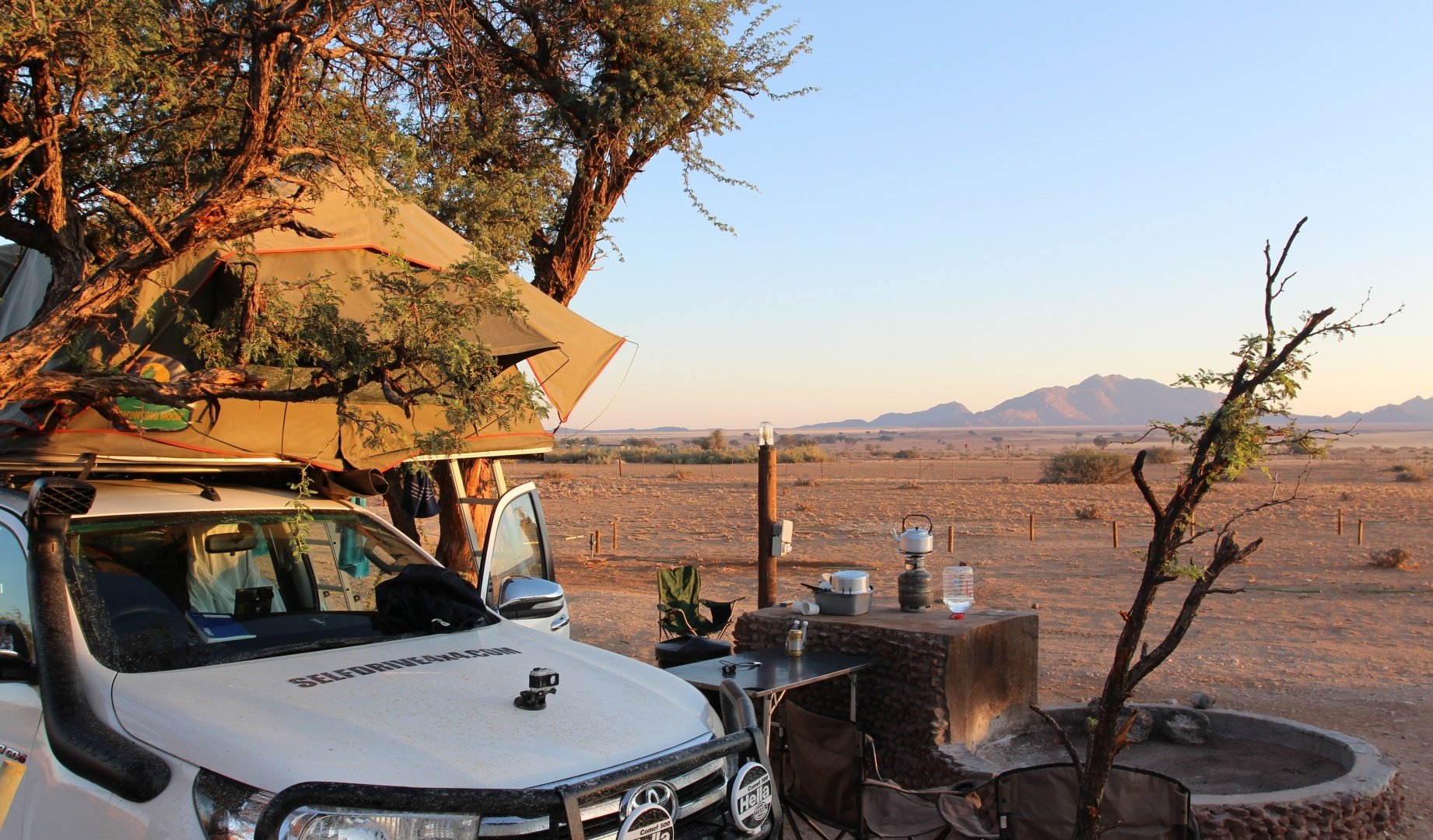
The itinerary is available for 2 to 4 travellers per vehicle. For 5 or more, pricing is on request and depends on local vehicle capacity. The standard rental vehicle is a Toyota Hilux Double Cab 4x4.

‍

18
days total
2
nights lodge/B&B
15
nights camping
18
days 4x4 rental
Travel pace:
Gemiddeld
1
-
5
persons per car
From
1280
p.p.
This trip can be fully tailored to your preferences.

A starting point, not a fixed script.

All Selfdrive4x4 itineraries can be tailored. Stay an extra day, add a destination or change the balance of driving and rest days. You can also choose from 14-day and 22-day Namibia itineraries. For more time in the north, there is another route focused on Kaokoland and the Himba.

A journey filled with memorable stops.

The landscape keeps changing as you travel. From long days on the road through wide-open country to places where you park the 4x4 and lose track of time. Here’s how the journey unfolds day by day.

This trip is a starting point, not an endpoint.

Change a day or destination

Spend more time in one place, add a rest day or cover a little more ground. We adjust the route to suit your pace and the way you want to travel.

Choose a different 4x4

The right 4x4 depends on your route, who you’re travelling with and how much comfort you want along the way. Together, we’ll choose the vehicle that fits.

Add another country

Want to extend your trip into another country? We’ll look at the most practical route, border crossings and what works within the time you have.
Fully prepared, no surprises.

A self-drive trip calls for clarity. That is why we are as transparent as possible about what we arrange and what you bring yourself. Everything you need for a carefree trip is on board; the rest is for you to fill in according to your own taste.

  • Toyota Hilux or similar
  • All overnight stays listed in the quotation
  • Two authorised drivers
  • GPS with Tracks4Africa software
  • A clear road map of Namibia
  • Advice from experienced self-drive specialists
  • Airport transfers
  • Support
  • International flights
  • Entrance fees
  • Fuel
  • Meals and drinks
  • Upgrades to fixed accommodation
  • Upgrade to a Toyota Land Cruiser or 4x4 camper instead of a rooftop tent
  • Excess reduction insurance

Not quite what you’re looking for?

Every self-drive trip is a starting point, not an endpoint. You can adapt an existing trip or create your own with us. We’ll help you shape the route, choose the right 4x4, find places to stay and prepare for the journey, so everything fits the way you want to travel.